
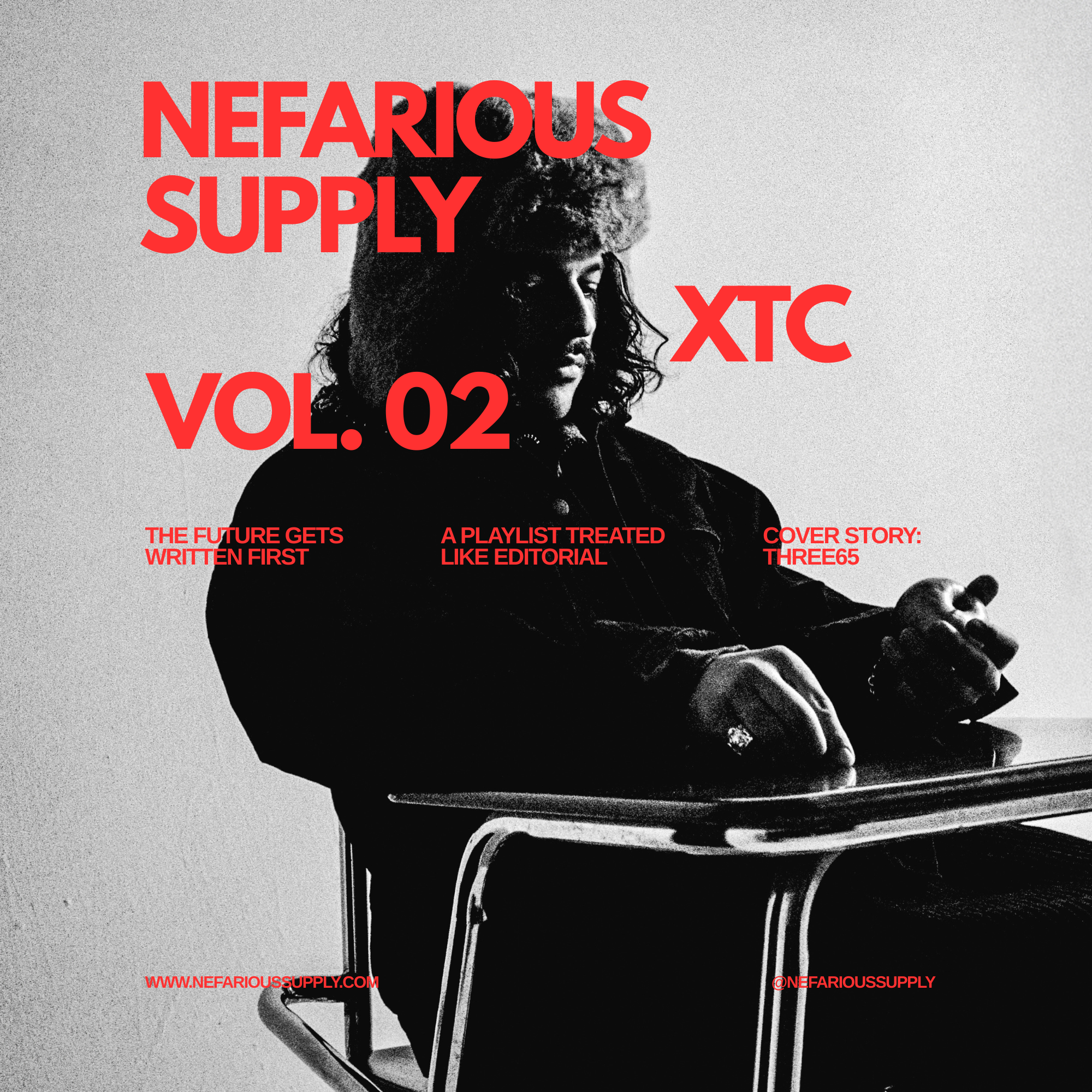
Editor’s Letter
This past summer, while working on the first volume of XTC, I spent time revisiting Scotty Apex’s catalog following the release of Hotel Mirage. Nefarious Supply had followed his work for years, and returning to those earlier records made the passage of time easier to recognize—in his development as an artist, in my own life, and throughout the history of the platform.
I tend to connect music to specific periods. Certain records bring back where I was, what occupied my attention, and the people and experiences surrounding that time. Revisiting Scotty’s catalog reminded me that following an artist over several years also means hearing their music alongside changes in your own life. The music becomes part of how you remember those periods.
That experience helped shape XTC. Volume I introduced the series as an experiment: a playlist treated as a finished piece of editorial, built to be heard from beginning to end. It established the rules. Start at Track 1. No shuffle. Let the transitions carry as much meaning as the individual records.
Volume I gave that philosophy its first complete form. Scotty Apex served as its center of gravity, while Burgundy, ihateyouALX, Rosabell, Mathaius Young, and SincerelyChico each shifted the energy without disrupting the listening experience. Together, the songs moved like chapters rather than isolated recommendations. The result was not simply a collection of artists I believed in, but a demonstration of what can happen when discovery, curation, and sequencing are treated as parts of the same editorial process.
Volume II moves forward with those same principles: intentional sequencing, patient listening, and the belief that underground artists deserve more than a brief moment of discovery. This volume considers what becomes visible when you continue listening—how artists develop, how catalogs accumulate meaning, and how certain records become connected to the periods in which we hear them.
THREE65 sits at the center of that idea. Like Scotty Apex in Volume I, his placement comes from years of listening rather than a single release or convenient moment. Wrené Nova, LE-VI, Chloe Tang, and Dio Valentino broaden the picture, capturing a current moment in the underground while THREE65 provides the longer view that only time can offer.
Volume II is not an attempt to recreate the first installment. It is the next entry: a new group of artists, a different listening experience, and another opportunity to make the sequence itself say something.
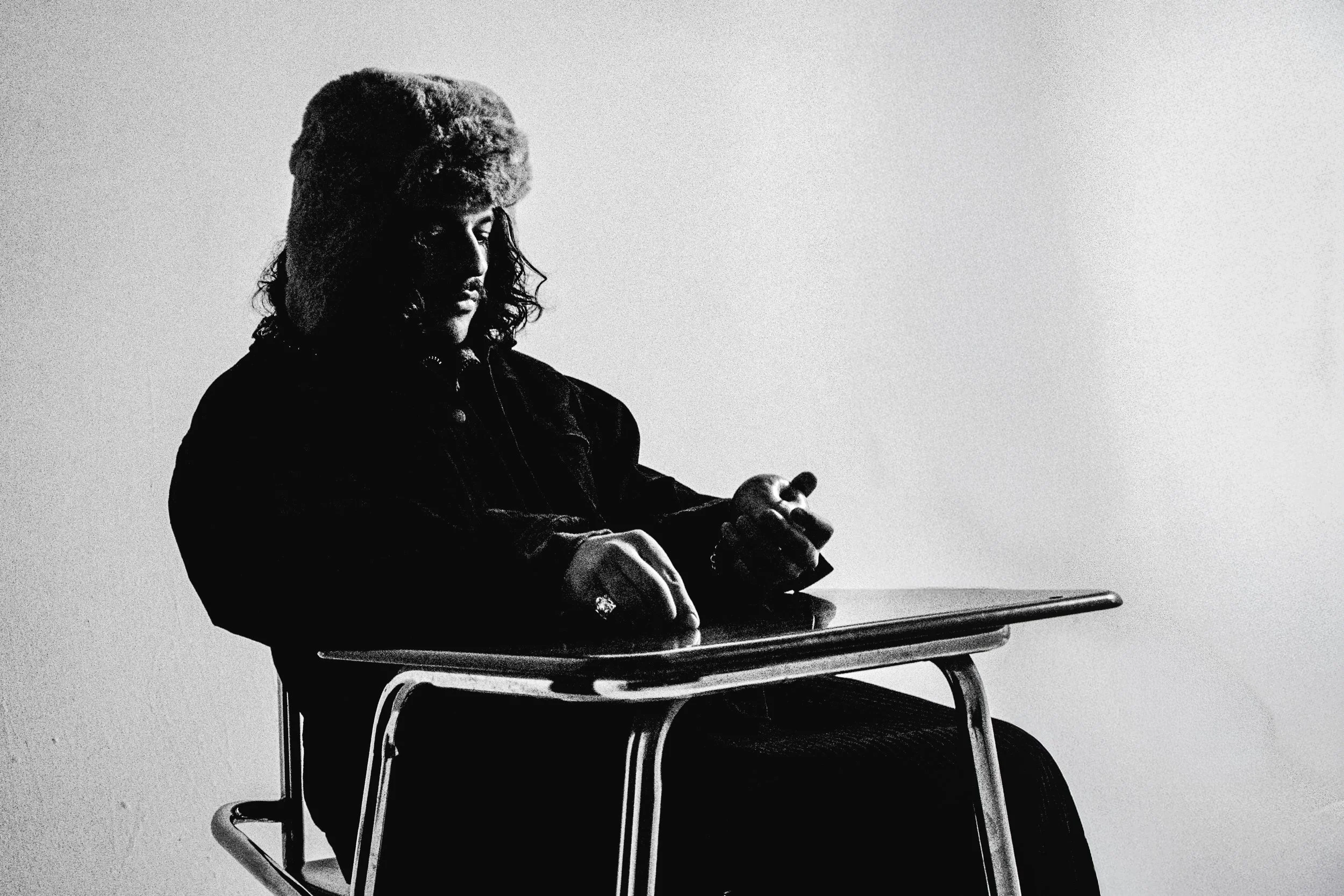
THREE65
Nefarious Supply first encountered the Cleveland artist under his earlier name, Heartthrobsworld. By the time he returned to the platform in 2019 with Summer’s Over, the name had changed because the direction had changed. He described leaving behind an image that no longer felt authentic and becoming more comfortable writing about his own experiences. The five-track EP drew from the relationships, thoughts, and emotions surrounding that summer, with THREE65 handling the engineering and working with close collaborators on its production and artwork.
The progression became clearer with Misery Loves Company in 2020. During the early months of the pandemic, THREE65 was making beats and writing songs every day, experimenting with his sound while becoming more confident in both his singing and his willingness to be direct. The resulting 12-track album had no guest features. He carried the project himself, contributed production to “The Way,” and mixed and mastered the entire record.
Even the sequencing reflected his growing control. “Last Call,” the final song completed for the album, became its conclusion because it resolved the story he had been building. At the time, he described music as a way to cope, with the larger goal of reaching a place of peace and helping listeners recognize that they were not alone in their own experiences.
That progression was technical as much as emotional. In 2019, THREE65 said he wanted to create something more orchestrated and become more involved in production. By 2020, that ambition was evident in the work. He contributed production, engineered the project, made deliberate sequencing decisions, and treated mixing as part of the creative process. His development could be heard both in the writing and in the control he exercised over the finished record.
More recently, I had the chance to reconnect with THREE65 and hear the body of work he is preparing to release. I was immediately struck by how complete it felt. The qualities documented in those earlier interviews remained, but the execution was sharper and the direction clearer. Hearing the project reinforced the progression already visible across his catalog and confirmed my decision to make him the headliner for Volume II.
This volume does not preview the unreleased music. Instead, it returns to the records that established his foundation. As THREE65 prepares to enter his next chapter, revisiting that catalog provides a clearer picture of what he has already demonstrated—and why the work ahead deserves attention.
That history, rather than any single release, is why THREE65 anchors Volume II. Across the name change, Summer’s Over, and Misery Loves Company, the throughline is an artist becoming more personal, more technically involved, and more certain of what he wants the work to communicate. Following that development over time is precisely what this volume is designed to document.
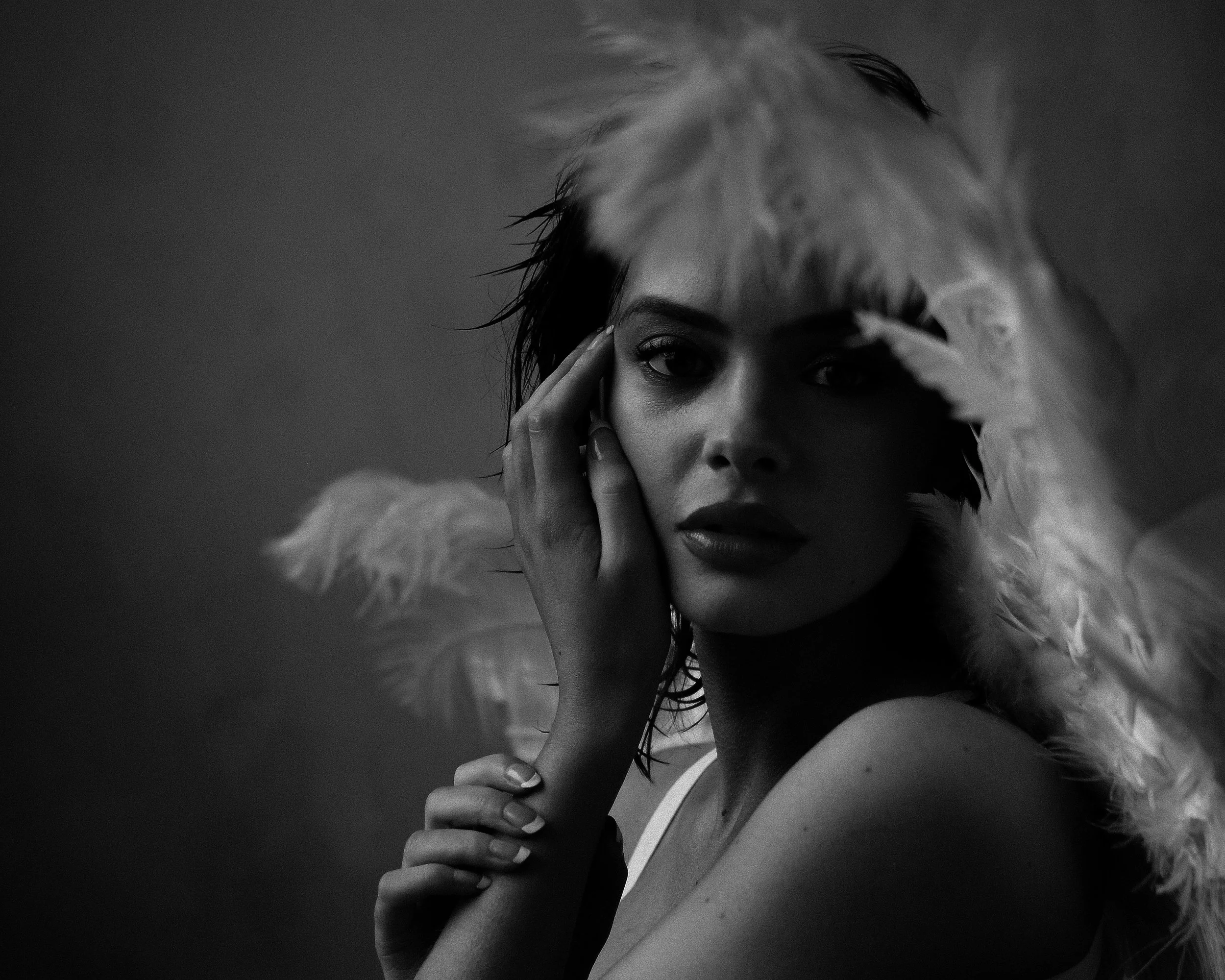
Wrené Nova
The Intangible begins with a difficult creative question: How do you give physical form to feelings that resist explanation? Wrené Nova answers through an electronic album built from intimate vocals, distortion, restraint, and deliberately imperfect textures. Her description of the project as “digital age grunge” is useful not as a fixed genre label, but as a statement of intent. The music resists the pressure to make every idea easily categorized or immediately understood.
That independence extends throughout the production. Wrené wrote, performed, produced, mixed, and mastered the album herself, giving her control over its emotional direction and technical details. She approaches sound design instinctively. A texture can feel like glass, an accidental vocal can become essential, and a song can reveal its meaning only after its atmosphere has taken shape.
The album developed in much the same way. Wrené began with a small group of songs that established an atmosphere before she fully understood the larger project. Those early records became guides, revealing the emotional world of The Intangible and directing what came next. “No Skin Against the Wind” offers one of the clearest entry points into that world. The song places vulnerability inside something physical, using space and texture to evoke emotional exposure without overexplaining it.
Within Volume II, Wrené changes the pressure of the sequence. Her music slows the listener down and asks them to remain inside a feeling long enough for it to become recognizable.
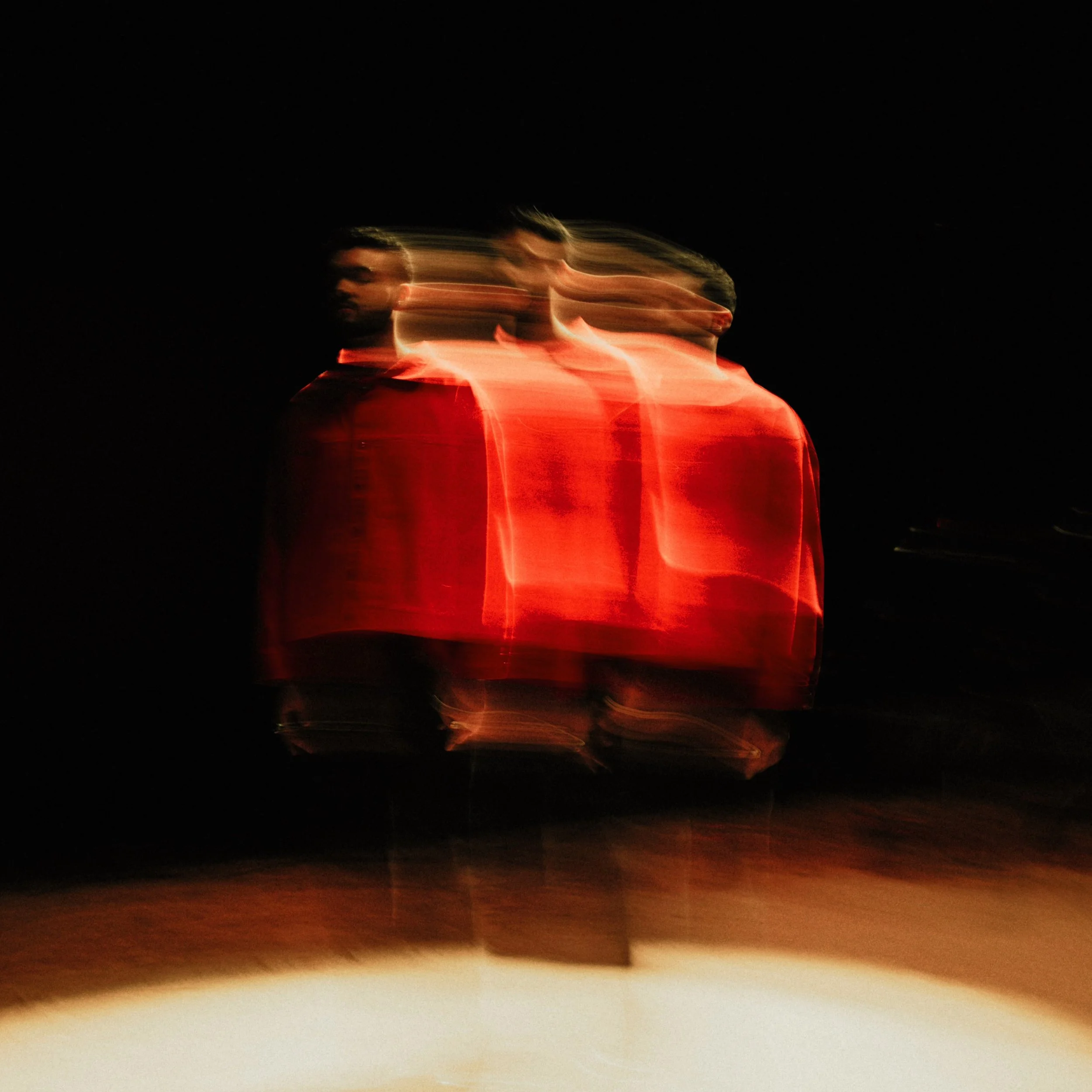
LE-VI
LE-VI understands a record from the inside out. Before placing himself at the center of the music, the Toronto artist spent years producing, writing, mixing, and helping other performers translate their ideas into finished songs. That experience is audible in the precision of his work. Production is not treated as decoration around the writing. Every layer contributes to how the emotion is communicated.
His music moves through alternative R&B, old-school R&B, pop, and melodic rap without settling permanently into any one category. LE-VI describes genre as a language rather than a destination. What connects those influences is his interest in contrast: intimacy and uncertainty, polish and rawness, nostalgia and experimentation. His background in sound editing also shapes the details between verses and choruses, where atmosphere becomes part of the storytelling.
“Hourglass” brings those ideas together. The record began with a smooth guitar pattern and a layered vocal sample that created the sensation of being suspended inside a moment. LE-VI expanded the arrangement around that feeling, balancing space with enough movement to prevent the song from becoming static. Its central image carries the contradiction at the heart of the record. An hourglass measures time precisely, but it cannot stop it. The song exists between the desire to preserve an experience and the awareness that it is already passing.
That tension makes “Hourglass” especially suited to Volume II. LE-VI introduces a quieter form of urgency, showing how patience, technical control, and emotional restraint can make the passage of time feel immediate.
Chloe Tang
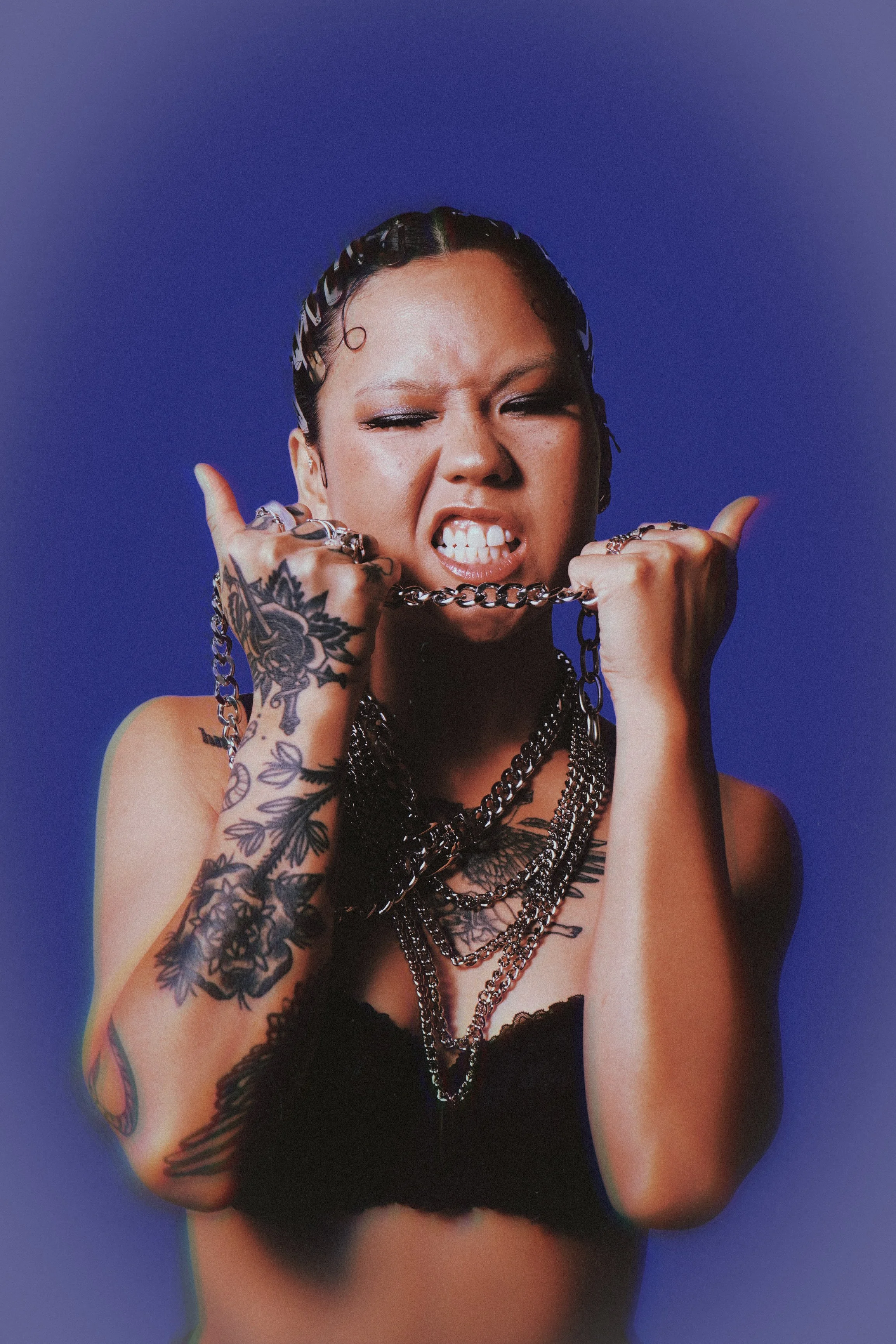
“Photoshoot” is a polished pop and R&B record built around image, attention, and the confidence required to be seen. Chloe Tang approaches those ideas without treating them as superficial. The song represents a point in her development at which visibility is no longer something to avoid, but something she can control and enjoy.
The record began when Chloe heard a snippet posted by her friend and longtime collaborator, Tima Dee. She immediately connected with the visual quality of the writing, asked to develop the song, and completed it with Dee. The missing perspective arrived through an open-verse challenge. Las Vegas artist Yvng Jin submitted a response that transformed the record from a solo performance into a two-person exchange.
That process reflects how independent artists can now build together. Chloe and Jin connected online, but their chemistry was grounded in more than a digital opportunity. As two independent AAPI artists from the Southwest, they recognized a shared perspective while bringing distinct voices to the record. Jin’s verse does not feel added for reach. It completes the concept by answering Chloe directly and giving the song the second point of view it required.
Produced by Jesse Aicher, “Photoshoot” places a glossy, pop-facing hook over darker, drill-influenced production. Its visual language follows the same contrast: sexy and deliberately feminine, but edged with enough grit to keep the record from feeling overly polished.
For Volume II, Chloe provides release and momentum. “Photoshoot” opens the sequence outward without abandoning the larger theme of artists defining themselves on their own terms.
Dio Valentino
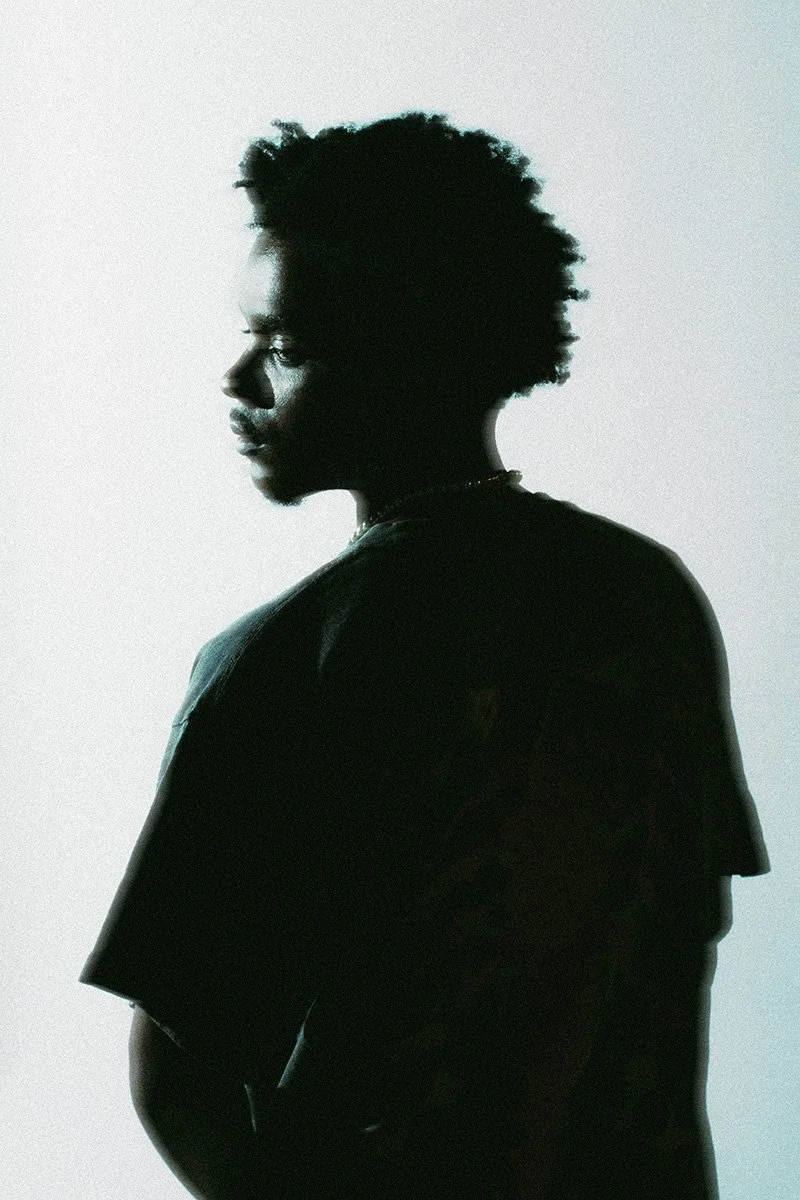
“STARCHILD” presents Dio Valentino at his most immediate. Its digital energy and cyberpunk framing made the song an effective point of discovery, but Dio does not treat that attention as the complete story. The record is better understood as an entrance into the larger world he has been constructing across CAN YOU HEAR? and The Noise.
The two projects function as connected sides of the same idea. CAN YOU HEAR? is driven by rap, momentum, and the confidence of an artist announcing his arrival. The Noise places greater emphasis on melody, narrative, and alternative R&B. Dio began leaning further into singing after recognizing that melody could carry parts of his story that rapping alone could not. Across both projects, processed vocals become part of the instrumentation rather than an effect placed over it.
Working closely with producer generiic, Dio combines electronic music, synthwave, hyperpop, rap, and R&B within a world designed to feel overstimulated but controlled. The production provides the scale, while his voice keeps the music connected to a human center. That balance matters because the visual language can attract attention before the substance behind it becomes visible.
“STARCHILD” captures the urgency that first draws listeners toward Dio. The surrounding catalog shows that the urgency has structure behind it. Within Volume II, the song functions as a doorway rather than a summary, accelerating the sequence while leaving enough unresolved for listeners to continue further into his work.
Taken together, the artists in Volume II do not represent a single scene or sound. What connects them is a commitment to building fully realized work without waiting for a larger institution to define its value. Wrené, LE-VI, Chloe, and Dio capture that process in the present. THREE65 provides the longer view, showing what becomes visible when an artist is given time to develop and a listener chooses to keep paying attention.
XTC is not intended to predict which artist will become “next.” It is a record of what is already happening before distance makes the patterns obvious. The songs collected here belong to this particular period, but they will not remain fixed within it. They will gather new associations as the artists evolve and as our own lives continue moving.
That is the purpose of Volume II: to document the work as it exists now, preserve the context surrounding it, and keep listening long enough to understand what comes next.