
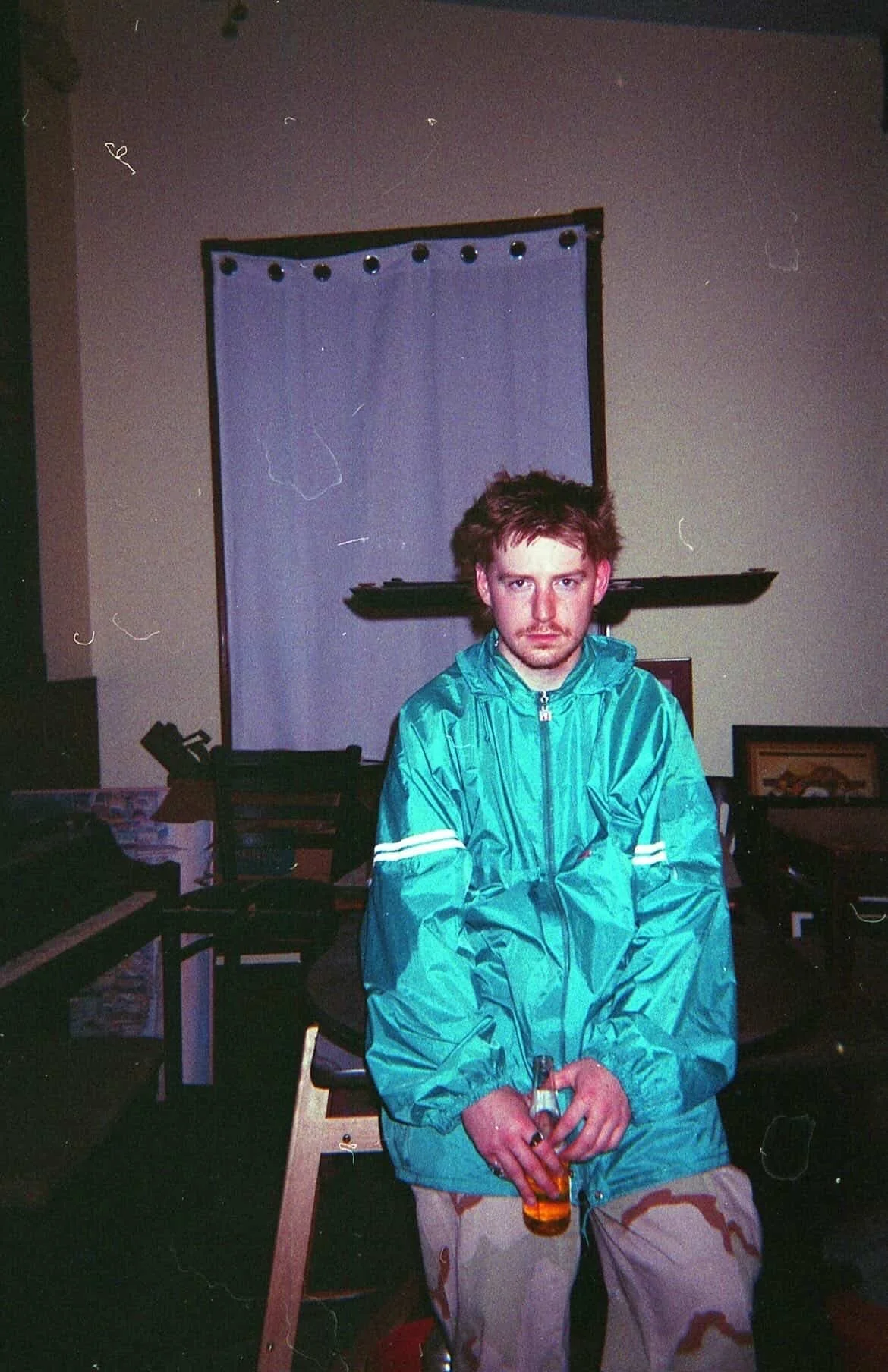
Over the past few years, O'baekey has quietly developed into one of the underground's most thoughtful voices. Since releasing Portraits while studying music production in New Orleans, the Brooklyn-based artist has approached every project less like a collection of songs and more like another chapter in an ongoing search for meaning. Drawing from Southern trap, boom bap, blog-era hip-hop, early 2000s R&B and countless other influences, O'baekey has crafted a sound that's as technically versatile as it is emotionally grounded.
His latest album, The Apple Doesn't Fall Far, is his most fully realized work to date—a record that reflects not only his evolution as a rapper, producer, and songwriter, but also his continued pursuit of understanding himself through music. We sat down with O'baekey to talk about artistic growth, moving from New Orleans to Brooklyn, the ideas behind his latest project, and what comes next.
~
You’ve described your music as a way of searching for deeper meaning through sound and language. When did music start feeling like more than just expression for you, and more like exploration?
To me, music and art in general are the most powerful tools humans have for self-discovery and reflection. A good song is like a therapy session for me. When I made my first album in 2021, I had this grandiose delusion that I was the greatest rapper of all time, which I feel like you need to have as a rapper. But that album was more about me proving that I could rap than it was about exploring deeper themes about life. That changed a bit in my second album, and even more so in this new project.
Your journey from New Orleans to Brooklyn feels like a major shift both personally and creatively. How has that move influenced The Apple Doesn’t Fall Far?
I was born and raised in Connecticut, so moving back east has been a homecoming for me in a way. But after spending five to six years in New Orleans, that city started to feel more like home than anywhere else.
So moving was bittersweet. I became a man in that city, learned about myself, and made some of my longest-lasting friendships. I owe so much to New Orleans. The Apple Doesn’t Fall Far is like my last ode to the South. On “Crystal” the hook is literally “I’m in love with the filthy south”, and I interpolate Big K.R.I.T. on the verses. On “Momma” the hook is “Momma, I’m coming home; I’m not the same anymore”.
Despite coming back east, I feel like New Orleans forever changed my trajectory, and I’m eternally grateful.
Your sound pulls from so many worlds—Southern trap, boom bap, blog era rap, early R&B. How do you decide what influences belong in a track without it feeling scattered?
Honestly, I’ve always struggled with deciding what my shit should sound like and what creative direction I should go in. Because I like so many different kinds of music, I go through intense periods of wanting to make completely different things. Sometimes I feel like I don’t really have a definitive sound.
The first album was super east coast hip hop, the second one I feel like had a ton of Kanye influence, and The Apple is like the most southern thing I’ve ever done. I love all that music, so I try to make it. Sometimes it comes together cohesively and sometimes it doesn’t.
The stuff that does gets released and the other stuff sits in my hard drive until I know what to do with it.
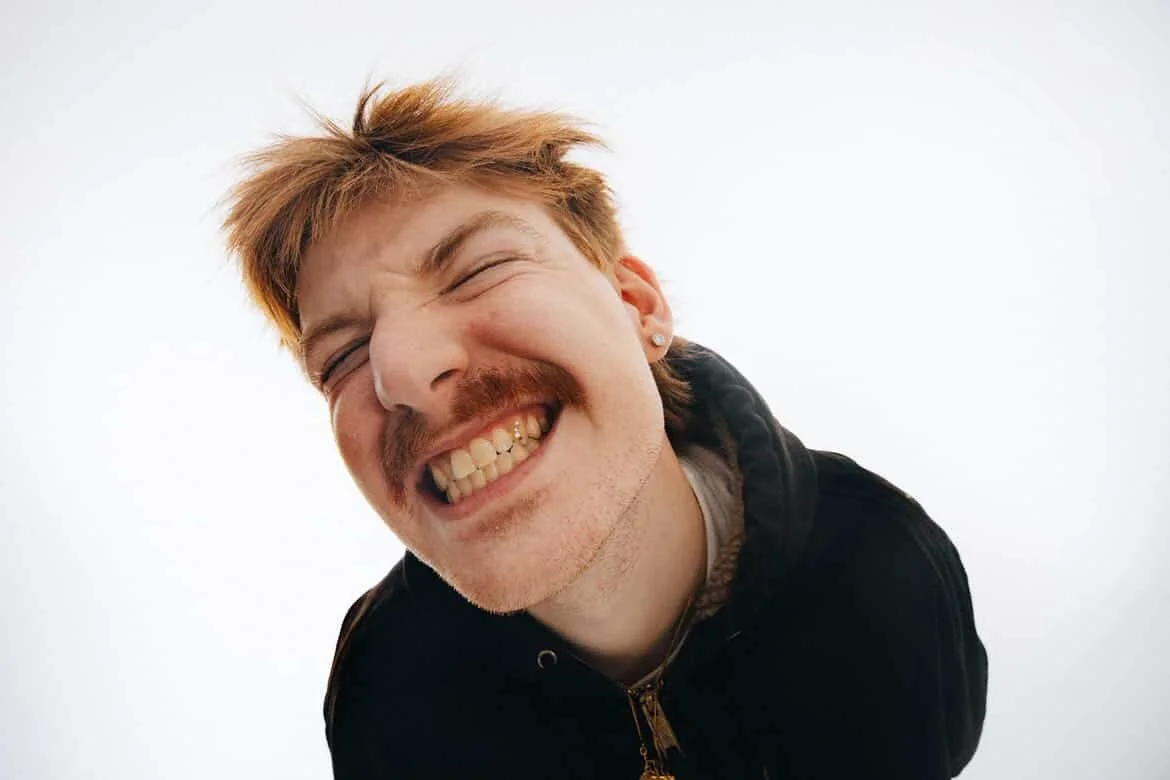
Since Portraits in 2021, how do you feel your relationship with production has evolved as you’ve grown as an artist and studied music more deeply?
Portraits was my first project ever working directly with a producer, my friend Wyatt Pinto who I met in college. That process really showed me the beauty of locking in on an idea with someone and building a partnership. I’ll always be grateful to him for taking that on with me. After that, I wanted to diversify a little bit, so with that second album, I had a bunch of other producers on there. That process taught me how incredible it can be working with a community, and getting all kinds of different input and ideas.
But with this last project, I wanted that feeling of partnership again. I reached out to my friend and producer Kobe Holmes and told him I wanted to make one last album while I was in New Orleans, and I wanted him to fully produce it so we could make something sonically and thematically cohesive. We made TADFF together in my bedroom studio in New Orleans. The process was so gratifying, and he’s an incredible musician. The next step for me is to make a self produced tape, which is already in the works.
There’s a strong sense of intention in your work, almost like every project is asking a bigger question. What question were you trying to answer with this new album?
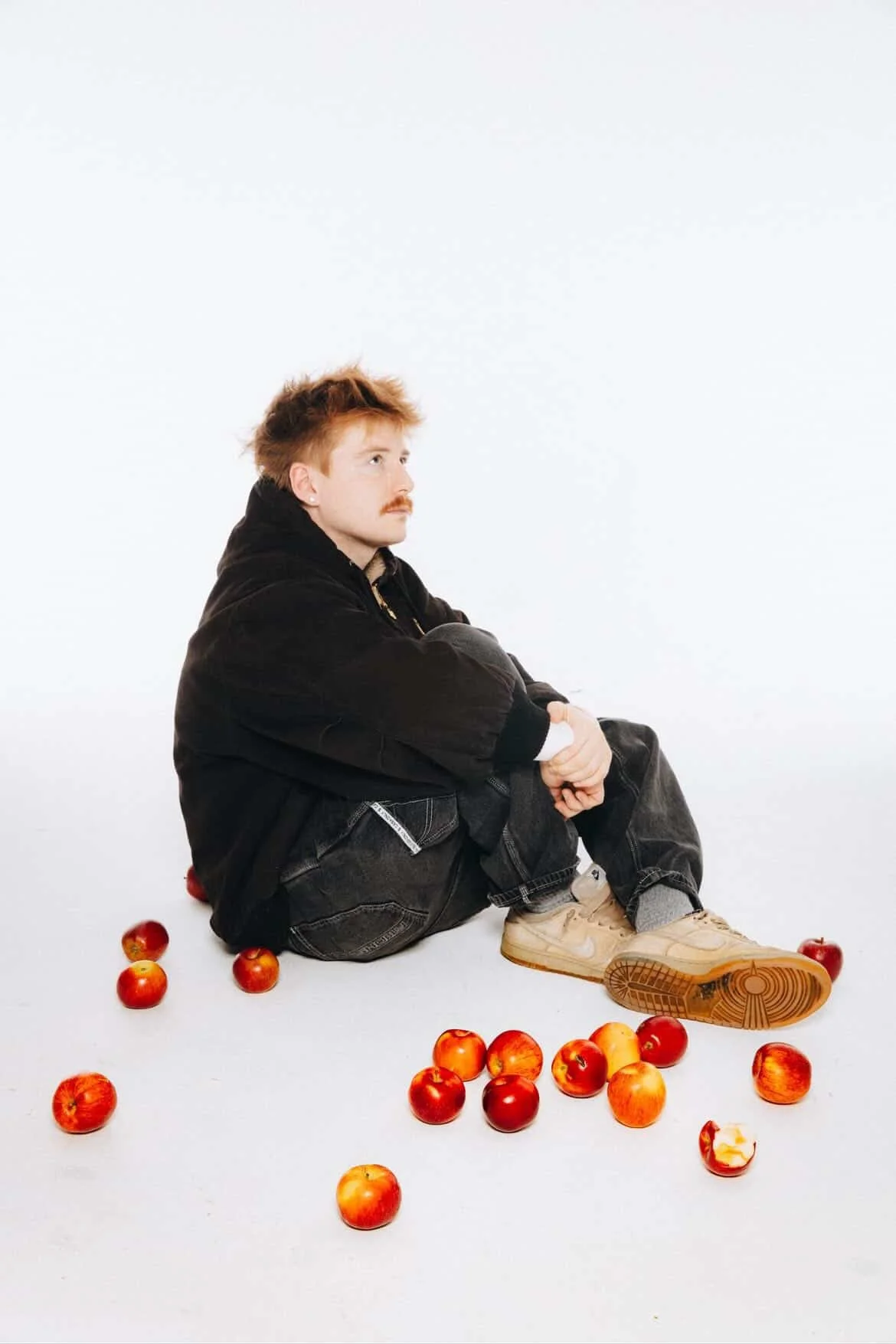
This album is an exploration of some hard truths I’ve had to deal with as I’ve gotten older. Everyone has heard the phrase “The apple doesn’t fall far from the tree.” It basically means that people are prone to end up just like their parents.
My whole life growing up with my parents, and my Dad specifically, my goal was to go as far in the opposite direction that he went as I could. Not because he’s a bad guy at all, but because I saw the mistakes he made and how they affected his happiness, and I tried to learn from that. He chose financial security, but never seemed to find true happiness in his work. I chose to chase a dream, even if it meant being broke.
He dealt with a lot of unhappiness, something I never wanted to be my reality. But throughout making this album, I realized I’m so much more similar to him than I ever knew. We’re both stubborn and hard working. We’re both prone to being unhappy. We have similar vices. And I had to learn to accept that reality and work through it instead of denying it like I’d been doing. You should learn from your parents, including their mistakes.
Your writing often feels reflective and layered. Do you usually start with a concept, or do those deeper themes reveal themselves after the music comes together?
Everything starts with the first line, and goes from there. My songs are often just a manifestation of what I’m feeling at that moment, and then as I keep writing, sometimes they almost turn into like philosophical discourse. Not all the songs obviously, some are just bangers for the sake of being bangers, and those are fun too. But even those are like manifestations of me feeling like I’m the shit at that moment. I’m not great at communicating my feelings outside of music if I’m honest, so these songs become my therapy sessions.
Brooklyn has such a rich musical history. Has being in that environment changed how you approach your craft or your expectations for yourself?
Being in Brooklyn has lit a fire under my ass. I wake up literally anxious to make shit happen, because of how fast this city moves and how great all the artists here are. I’ve met a lot of great people and am still working on making myself a staple of the amazing community that is this underground music scene.
It’s hard because I work a day job so I can’t always be at all the events, but I just want to build genuine relationships with like-minded people here. It’s amazing being around creatives.
I’ve been to SOB’s a bunch and it’s wild to think so many artists I look up to have performed there. It’s on my list for sure.
You’ve mentioned being inspired by artists like Isaiah Rashad and Mac Miller. What specifically about their approach to music resonates with you the most?
I think with Mac and Zay I fell in love with them at a young age, and so I became heavily influenced by them. I used to watch every Mac interview, the documentaries, and listen to every tape a million times. He was a ridiculous lyricist and put into words a lot of feelings I couldn’t articulate at that age. His positivity as a person, along with his introspection and honesty about his vices, was and still is so inspiring to me.
He was genuine and authentic and beloved by the community, things I really strive for. As for Zay, the way he’s able to match his lyricism to his production just has a stranglehold on me. He creates these moods with his songs that I just fall into.
His ability to capture the feeling of nostalgia perfectly is insane. I also think they’re both just super introspective, and their music makes you think, something I always want with my music.
As someone who treats music almost like research or self-discovery, what’s something you learned about yourself while making this album that surprised you?
As I said before, this album taught me that I’m a lot more like my Dad than I thought I was, for better and worse and everything in between. I also learned that I don’t have as much control over my vices and flaws as I thought I did. I turn 25 next week, and I still have a ton of growing and learning to do. I guess that’s how life goes. You figure out who you are more and more every day.
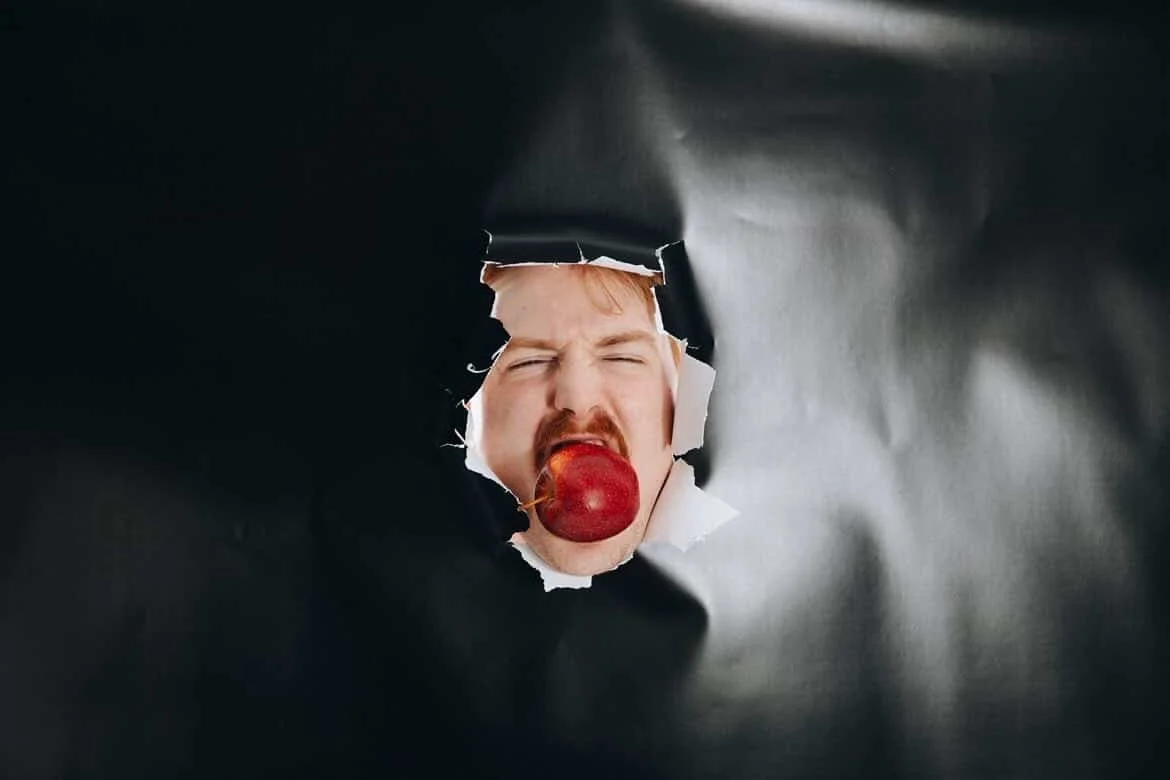
Now that The Apple Doesn’t Fall Far is out, what does “success” look like for you in this next chapter—creatively, personally, or professionally?
Success to me is just making something that people can relate to, and then getting them to hear it. I’m a cook, and I love making food. I think of music a lot like cooking. You can make a plate and eat it yourself and be like “Fuck yeah, I made that plate and it was delicious and I enjoyed it.” But it will never be as fulfilling as cooking for a group of people and sharing what you made.
Music is the same way. I can make a song and love it and be proud of it myself, but I want to share the feeling it gives me with as many other people as I can. Hopefully by the end of this year I’ve played a lot of shows, put out another project, and reached more people.
I feel like this shit is good and good for you, and I want to share that with as many people as I can.
Huge thank you to O’baekey for the interview opportunity and inviting us into his mind and the process behind his latest work. Make sure you’re following O’baekey on Instagram @obaekey to stay locked in with the next release. And if you’re an artist interested in being featured, follow Nefarious Supply on Instagram (@nefarioussupply) and submit your music here.