
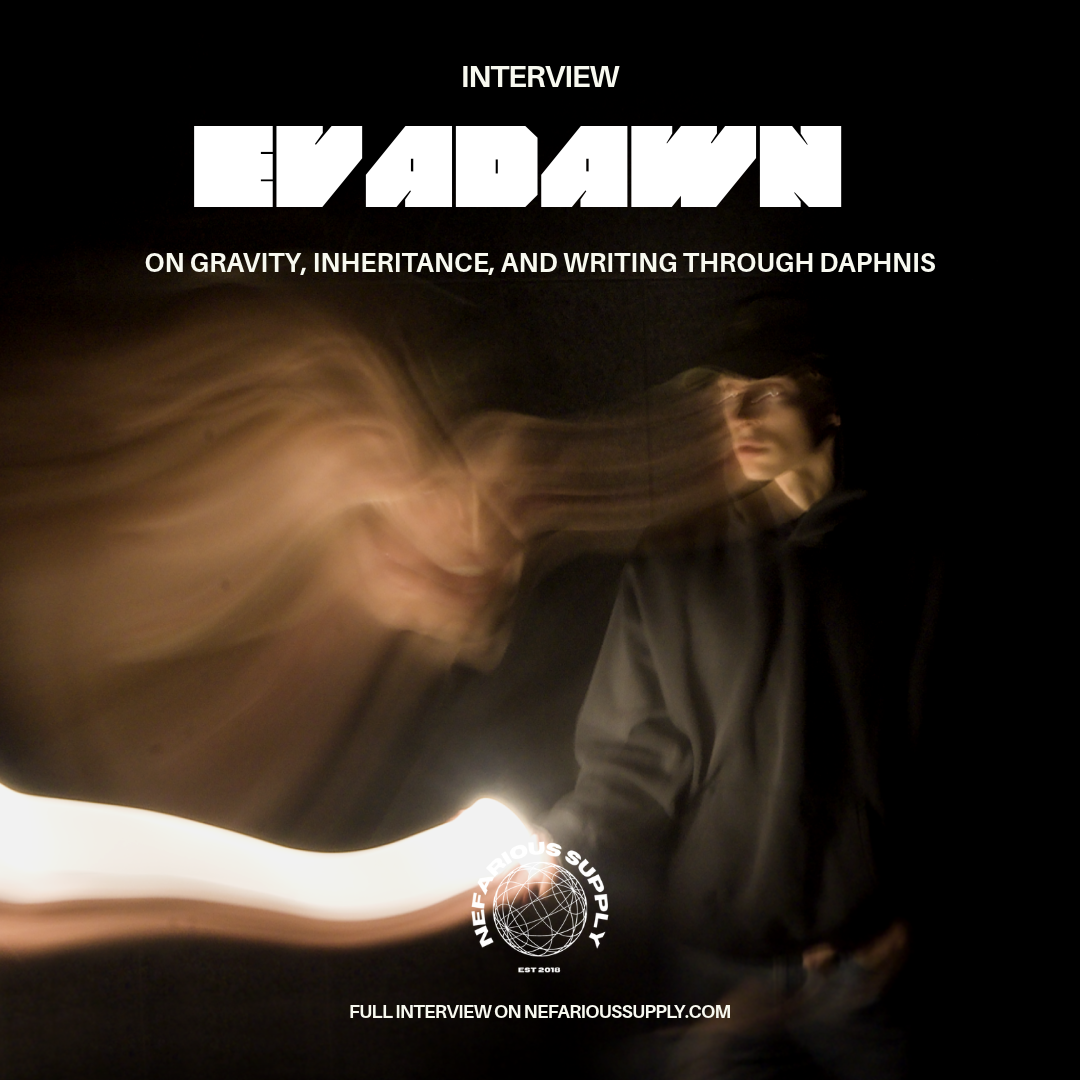
“Gravity” begins in the space between a person’s flaws and the ones they recognize in their parents. For Evadawn, that recognition arrived with adulthood, bringing questions about what we inherit, what we carry, and how easily we run from both.
The recording artist and producer approaches those questions through Daphnis, a narrator whose confidence gives way to shame and whose account Evadawn describes as almost untrustworthy. The song’s sound developed through its own turn: while experimenting with guitar samples in FL Studio, he pushed the production toward a distortion he hadn’t originally planned.
“Gravity” is the first excerpt in a wider story, though it won’t appear on Evadawn’s forthcoming concept album, Heir. In our conversation, he talks about the truth he finds through character, the tension between evasion and admission, and the fictional letters and blind dove carrying his story forward.
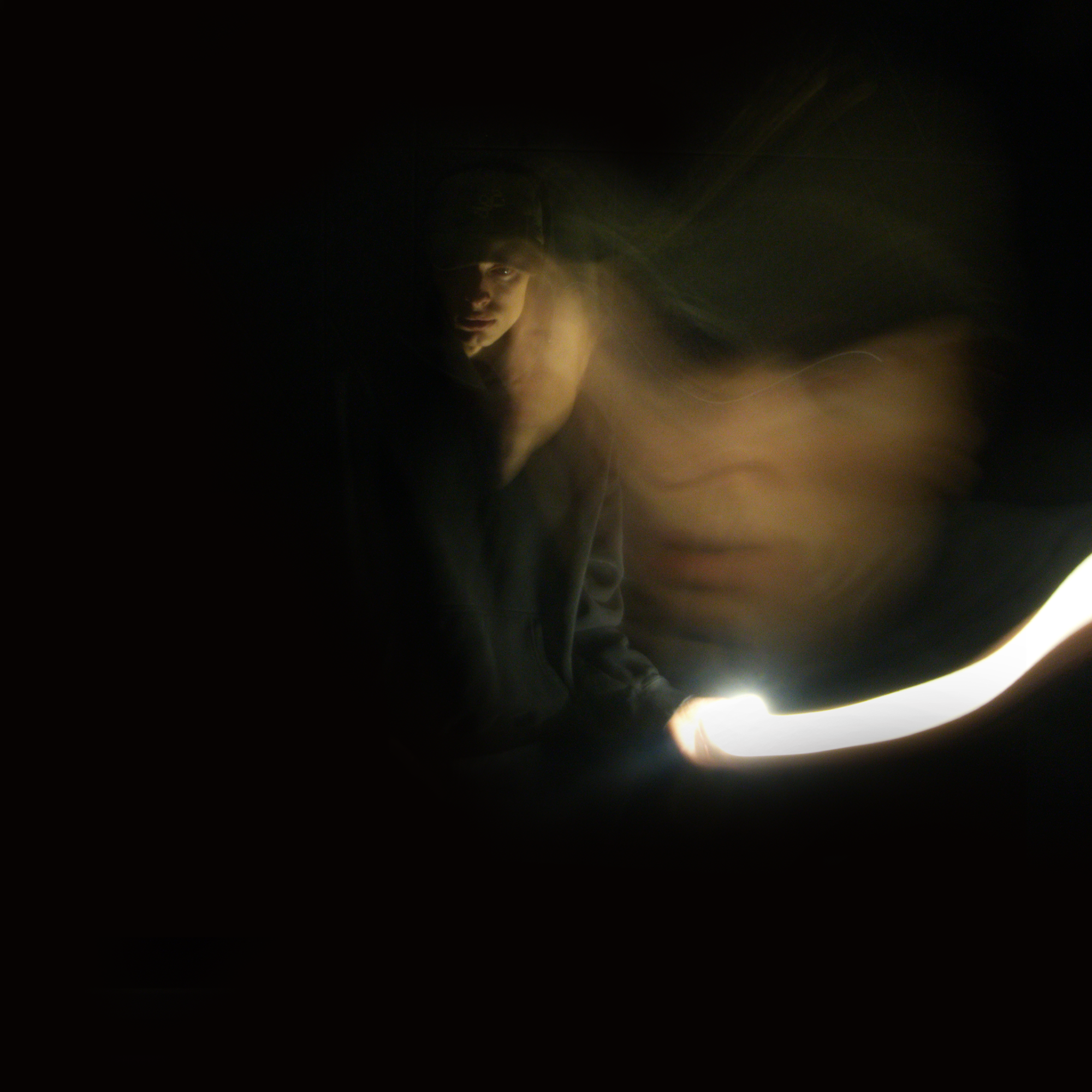
You describe "Gravity" as the story of an inherited avoidant nature; what drew you to that idea, and why did you want it to open this run of releases?
The most pulling thing for me is that all of it grows from truth. As I crash into adulthood, a lot of my problems start to reflect problems my parents had or somewhat resemble their flaws. It's not a great feeling paired with speaking to them only a handful of times in my life. Gravity being the first run of releases was sort of just a strike of nature, as I was in the process of switching DAWs from FL Studio to Ableton and I wanted my best track from FL to be released as a sort of Track #0 to start the album's rollout before my sound design drastically changes for every track on the album. Gravity will not be on the album unfortunately, but it serves its own purpose in the story.
The SoundCloud description introduces Daphnis, an unnamed nymph and a wound he cannot see; what part of that scene did you most want someone to feel through the song itself?
I hope what translated best was the passion in pain. The chorus' intention was to be a Frankenstein of happy, sad and hurt. The feeling of trying to live carefree while being torn apart by flaws you didn't choose to inherit.
You produced, recorded and mixed "Gravity" in FL Studio; can you take us through a moment when working on one part of the recording changed another?
Gravity's soundscape was originally a lot less distorted. It only became so abrasive when I was messing around with guitar samples. I had put some RJ Pasin one shot into Serum 2, turned on portamento, and threw a bunch of effects on it. That sorta dominoed me into making the lead a similar way and shaping the mix from there.
How, if at all, did the unseen wound in the description of "Gravity" guide your sound or vocal choices, and which passage would you use to explain that relationship?
The unrelenting gnawing of unwanted hardship is best shown through distortion and melody. I had to walk a finer line between pop and that, so I was kinda pushed into the way the song sounded by chance. I love when the music takes its own direction from a small decision I make, when things turn out a way that I didn't want and I'm left with the task of conforming to the sound that I happened to create.
What did you want the listener to understand about the narrator of "Gravity" through the relationship between the words and the production?
The narrator is flawed, and almost untrustworthy with their perspective. I wanted the feeling to match the hesitant, yet unhinged tone of the lead.
"Always knew I'd hit the floor."
These are the words of a person who's sulking themselves into destruction.
In the chorus, "There isn't a problem that can hold me down" sits beside images of falling; how do you understand the relationship between those ideas?
It's like feeling on top of the world, like your steps defy gravity, whilst running from the fire you started. Gravity does not pity someone like they might themselves, everything that goes up must come down.
In "Gravity," the line "I'm running away from my problems" makes avoidance explicit; what determined where that admission arrived in the song?
"I'm running away from my problems" is an admission of guilt and is in direct opposition to the tone set by the chorus. The chorus is an almost boastful analysis of evasion whereas the verses are critical and shameful.
The lyrics repeat "You're so dramatic" in the later passage; what role does that phrase play in the narrator's story, and how did you decide to present it?
I think everyone's told things that stick with them in a negative way. The theme of dismissal plagues the album and is used to write off whoever's in its crosshairs. In this case, it's Daphnis being told his feelings do not matter.
What does writing through Daphnis let you explore in "Gravity" that you would approach differently in a song without a named character?
Writing within the structure of a character seems to draw more truth out of me as a writer than I would encounter naturally. I see myself approaching conflicts from angles I would never naturally arrive at. Once you map each conflict with your own in the story, it's very gratifying to see the character take over yourself, rather than the other way around. Especially when certain truths are uncomfortable or inconvenient to the writer's best interest, it's so much easier to tackle them with the character.
Your pitch compares "Gravity" with ericdoa and brakence; what do you hear as the connection, and what part of this song feels most distinctly like your own work?
My music draws from so much that I listen to but I listen to a lot of brakence, ericdoa and gabby start. The instrumental and writing seem more akin to brakence or gabby starts work, and the vocals feel more akin to ericdoa somewhat. I don't think a similarity occupying an aspect of the music equates to the lack of the musicians authenticity within that same aspect. It's hard to say when I feel like I'm the embodiment of every waveform in the song. I think my vocals are kind of unusual and the specific mix on the guitars/leads are pretty unique.
The description calls "Gravity" "Excerpt No. 1"; what led you to present the story in excerpts, and how are you deciding what each release should reveal?
A lot of the writing I'm doing around the story of this album comes in different fictional letters or excerpts written by characters. The album is Daphnis' attempts at reaching a recipient for his letters that are sent via the Messenger, a blind dove. It is up to the recipient if they would like to call the dove down for the letter.
I think each single will be more influenced by it's presumed capability to resonate, but I would like each single from here to have more causation. For the "and so" to be revealed in the tracks between. (I want the singles to reveal the major conflicts to set the theme for the record, and the album to reveal the effect or conclusions from said conflicts.)
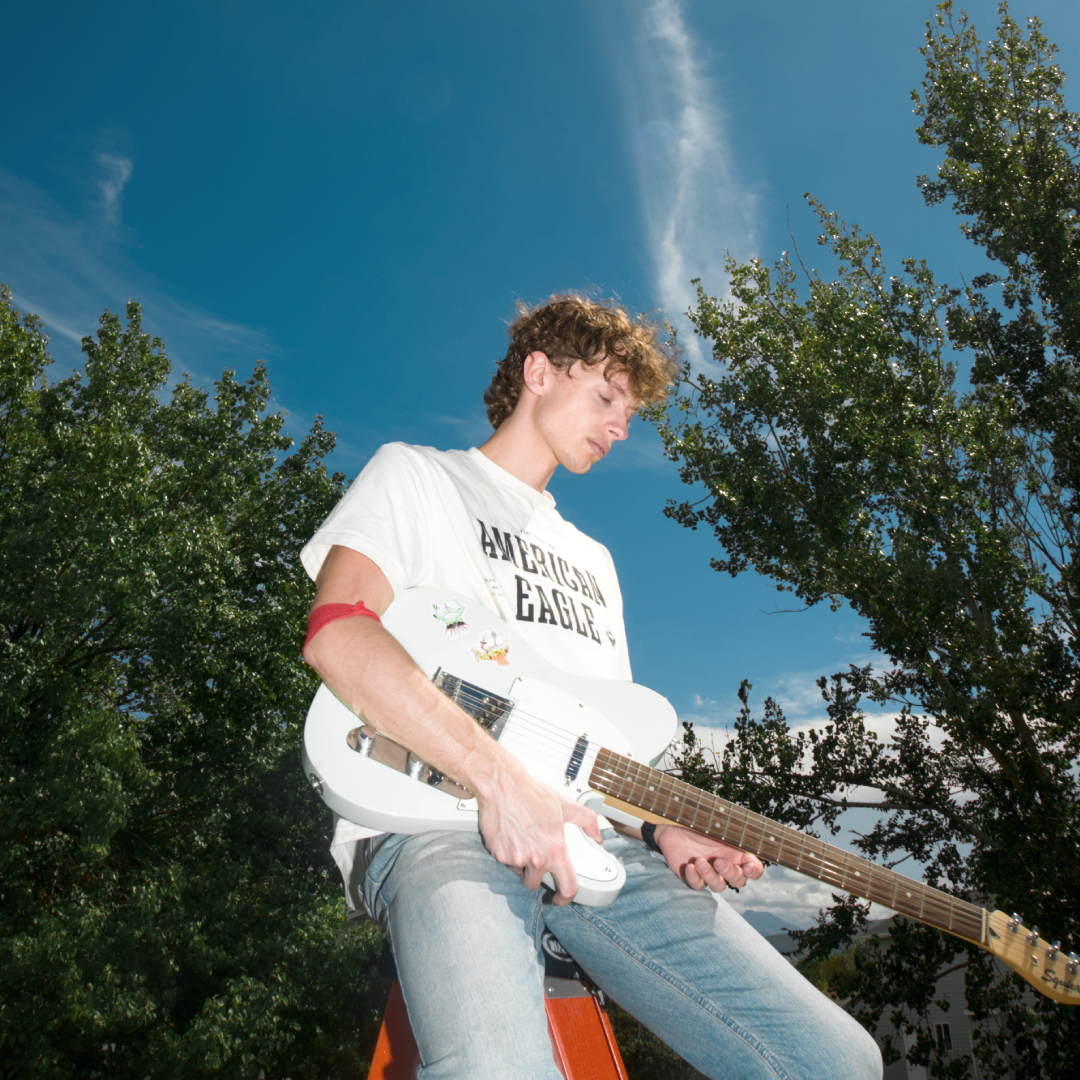
You described a concept album as a possibility, not a settled plan; what are you developing next, and what will help you decide the shape of the larger work?
I am now fully settled into the idea of a concept album and am hard at work to create something worthy of calling the dove down, so to speak. My next project, as of right now, is called "Heir". I'm chipping away at the structure of the story right now whilst working on the tracks that I know will be kept. The number one thing that's shaping the project is the continued progression of world building that I'm building with Reels or Instagram stories. So, that's where I'll be :)
In “Gravity,” Evadawn gives Daphnis room to be contradictory: defiant in one moment, ashamed in the next, and not always willing to see himself clearly. Those tensions are part of what makes the character a useful way into the uncomfortable truths Evadawn is writing through.
The song may sit outside Heir, but it opens a door into the story he is still building. As Daphnis sends his letters through the Messenger, the larger project will trace what follows the conflicts introduced in the singles. For now, “Gravity” offers a place to begin, with a character trying to outrun what he carries and a songwriter willing to follow him into it.
Listen to “Gravity” on Spotify and keep up with Evadawn at evadawn.com.
We cover what moves us. Send what moves you.
If you’re making something you believe in, submit your music and tell us the story behind it. We’d love to hear it.
Selected artists may be considered for interviews, playlists, and editorial features. No fees. No pay-to-play. Ever. Submitting puts your work in front of us; it does not guarantee coverage.
Editorial bibliography
Evadawn. (2026, November 10). Written interview responses provided to Nefarious Supply. Unpublished.
Evadawn. (n.d.). “Gravity”. Spotify.