
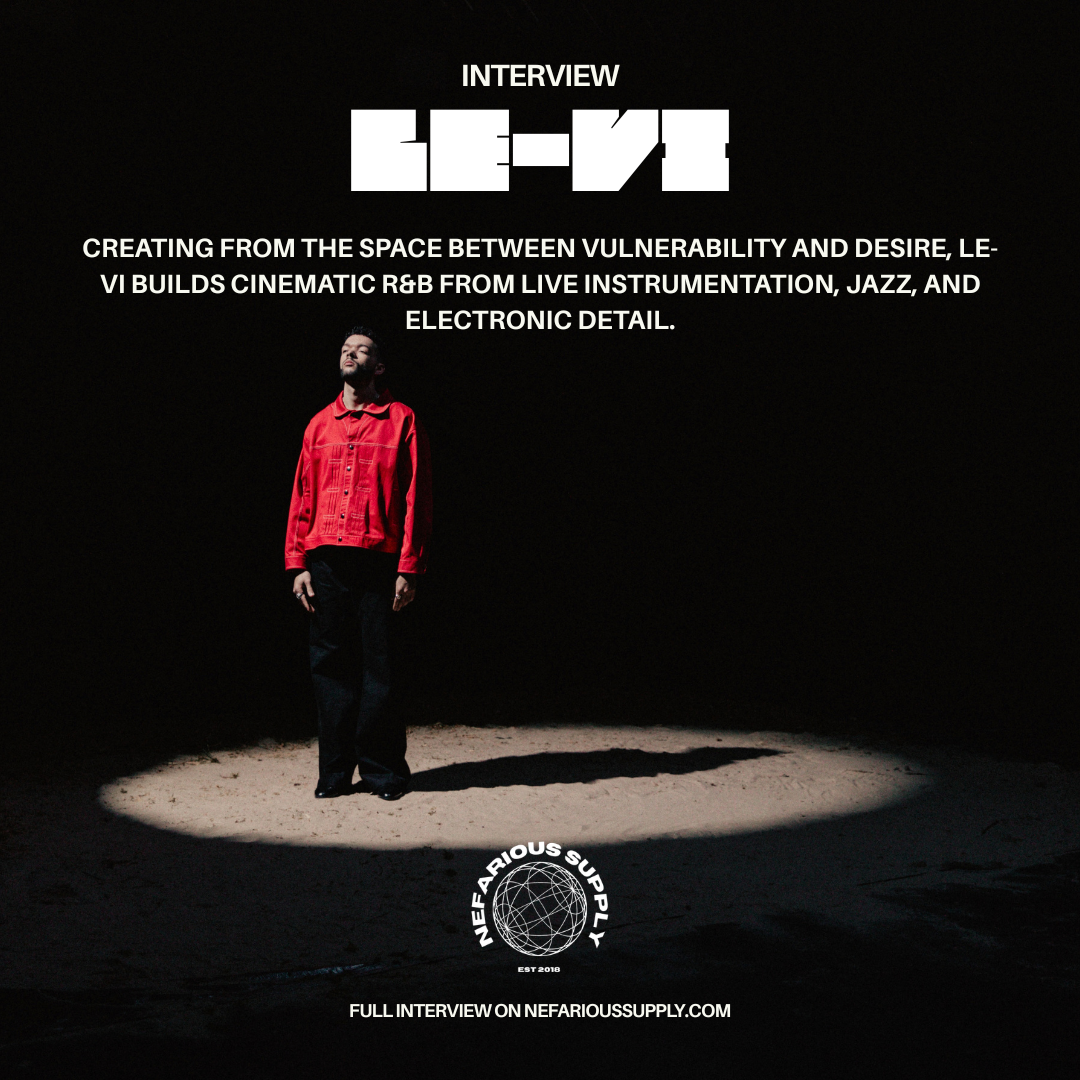
Before LE-VI became the artist at the center of the record, they spent years helping other people bring their ideas into focus. Writing, producing, mixing, mastering, sound editing, and visual storytelling were all part of the work. The shift into their own spotlight did not require learning how to make music. It required becoming comfortable allowing the person behind the craft to become visible inside it.
That tension gives LE-VI’s music its emotional center. Their work moves through identity, intimacy, desire, vulnerability, and the feeling of living between categories without needing to resolve every contradiction. Toronto’s layered musical landscape is present in the atmosphere, but so are old-school R&B, alternative R&B, pop, melodic rap, jazz, hip-hop, and the immersive instincts of a producer who hears the details beneath the surface.
“Hourglass” is the first clear doorway into this chapter. Built around the feeling of wanting to hold onto a moment while knowing that time will continue moving, the record turns suspended desire into sound. Its visual world expands that idea through cycles, transformation, and the decision to step outside patterns that no longer fit.
In this conversation, LE-VI discusses the discomfort of moving from behind the scenes to the center of the frame, the creative freedom that comes with controlling every layer of a record, and the trust required to collaborate without losing the emotional core of the work. The larger project is still unfolding, but the direction is clear: an artist with the technical ability to shape an entire record is learning how to trust the vulnerability that makes the record matter.
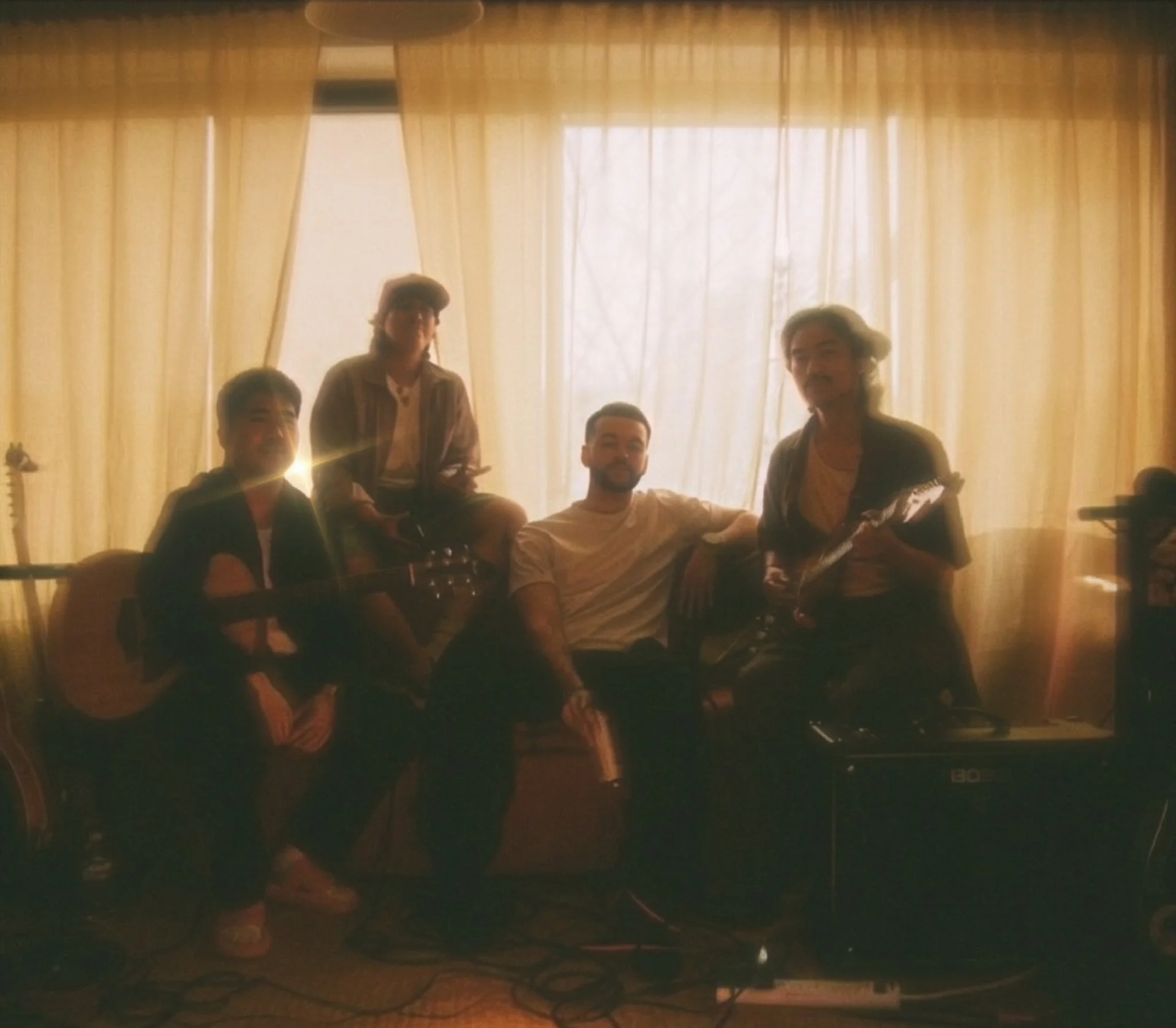
For someone stepping into your world for the first time, who is LE-VI, and what do you want your music to reveal about you before anything else?
LE-VI is an artist creating from the space between vulnerability and desire. My music moves through emotion, identity, intimacy, and the things we often feel before we fully understand them. When the production is layered or the world around a song feels cinematic, there’s usually something very human at the center of it. I want people to feel like they can step into the music and find a piece of themselves there too.
You come from an African-Scottish Canadian background and are rooted in Toronto. How have identity, place, and culture shaped the way you hear sound and tell stories?
I think growing up between different backgrounds has made me comfortable living in the in-between. Identity has never felt like something I could reduce to one perspective or one experience, and I think that naturally shows up in the way I create. I'm drawn to contrast, sensuality and vulnerability, confidence and uncertainty, polished production and something more raw underneath. I tend to steer one way and then move somewhere unexpected, and I think that comes from a place of not belonging in one category, and not wanting to.
Toronto has also shaped me enormously. It's such a multicultural city, and you grow up surrounded by different sounds, perspectives, and ways of expressing yourself. That definitely influenced the way I hear music. I don't feel particularly interested in staying inside one genre or one emotional lane. My work is usually about blending worlds and finding the feeling that connects them.
Before people knew you as a recording artist, you spent years building through production, writing, mixing, mastering, and collaboration. What did those years teach you about the kind of artist you wanted to become?
Those years taught me how much intention lives beneath the surface of a record. When you're producing, writing, mixing, or helping shape someone else's vision, you start to understand that every decision affects how a song makes someone feel. Even the ones listeners might never consciously notice.
It always felt natural for me to hear an artist's perspective and vision for a song and then write in their voice, almost as if I knew what they had to say. That way of connecting with people and translating their perspective came naturally to me through this medium we call music. I think those years taught me that I had a real ability to understand an artist from the inside out, and ultimately helped me recognize the kind of artist I wanted to become myself.
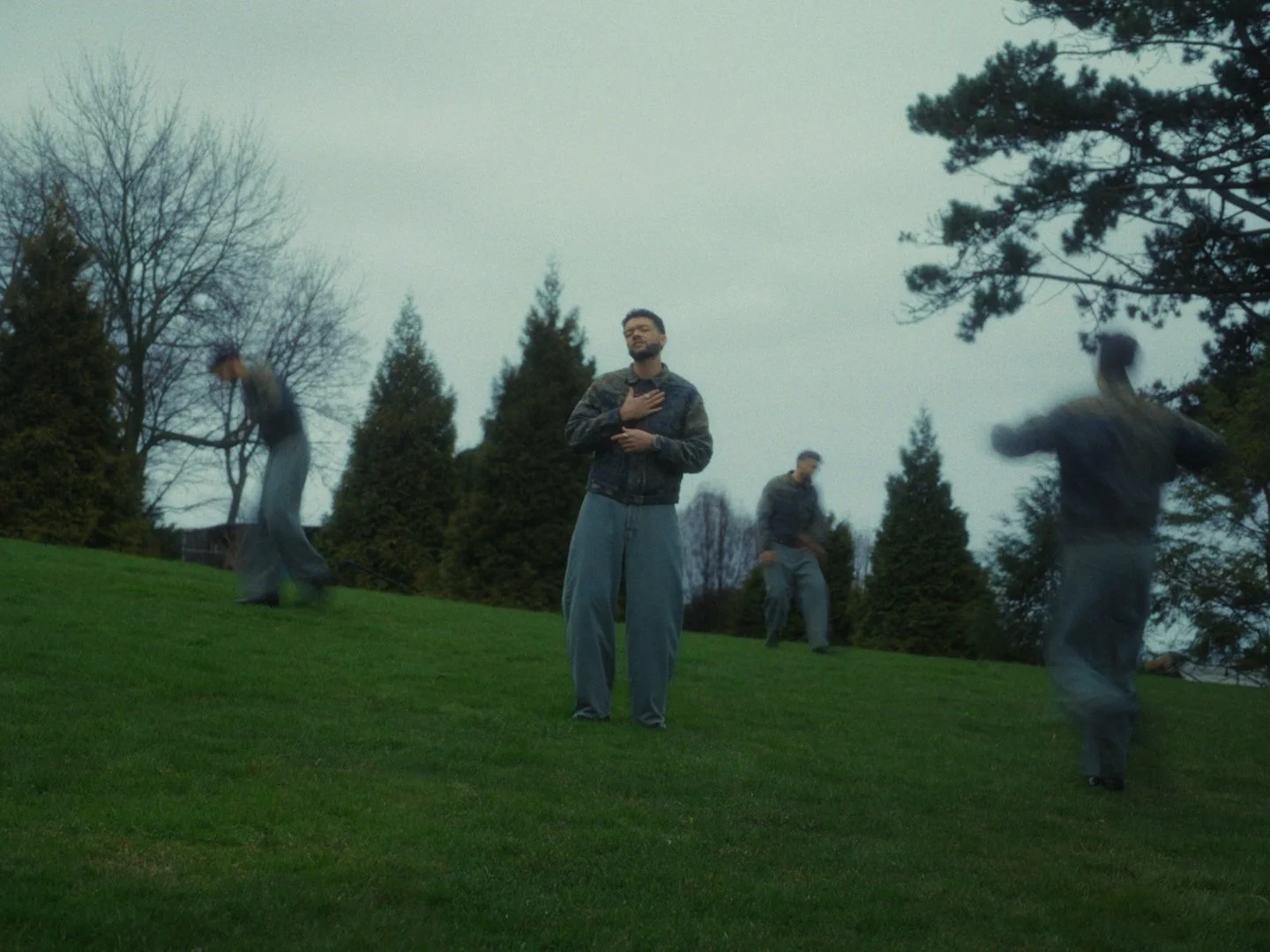
When you moved from helping build records for other people to centering your own voice, what felt natural, and what felt uncomfortable?
The creative process itself felt natural. Writing, producing, and shaping records has been part of my life for a long time, so being involved in every layer of the music felt familiar.
What felt uncomfortable was being the person at the center of it. When you're working behind the scenes, you can hide behind the work a little bit. You're helping someone else communicate their perspective. When it's your own voice, your own face, and your own story, there's nowhere to hide. That vulnerability has probably been the biggest adjustment, but I think it's also an important part of what makes an artist feel real.
I’ve tried to crack out of my shell and become more comfortable in the spotlight by creating meaningful visual spectacles around my songs, things that connect listeners not only to me as a person, but to the world and artistry I’m trying to build.
Your background also touches sound editing, recording, media production, and visual storytelling. You have a rare level of control over your music because you can write, produce, and mix your own work. How do those disciplines and that independence shape the atmosphere and emotional honesty of the final record?
Having that level of control allows me to follow a feeling all the way through. Sometimes the smallest production decision can completely change the emotional meaning of a lyric or vocal performance. Because I'm involved from the writing stage through production and mixing, I can protect the original feeling that made me want to create the song in the first place. My sound design background also heavily influences my sound selection and the immersive details I weave between the verses and choruses, which invite the listener deeper into the emotion of the song the further they let themselves fall into it.
At the same time, independence doesn't mean I believe I have to do everything alone. Collaboration is still incredibly important to me. But having the ability to translate what I'm hearing internally without losing it through multiple layers of interpretation gives me a very direct relationship with the final record.
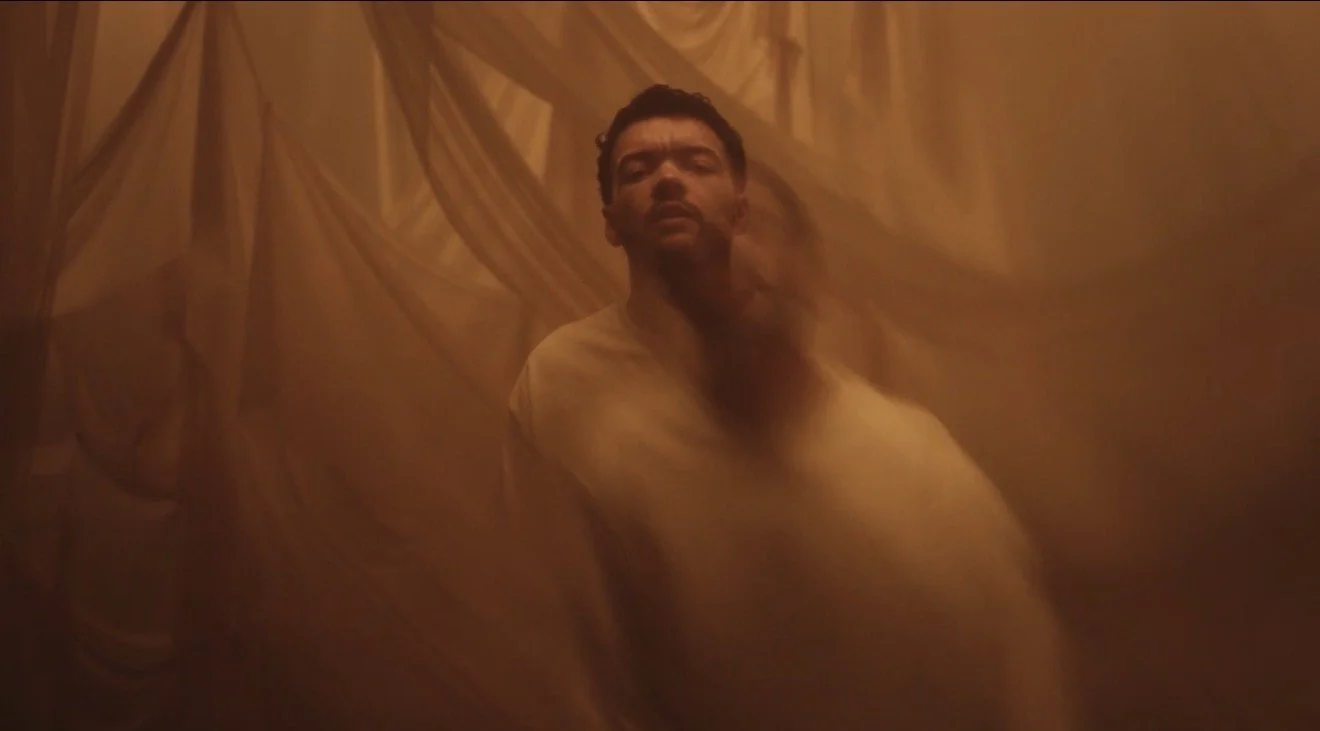
Toronto R&B has become known for mood, space, texture, and emotional restraint. How do you relate to that lineage, and where do you feel your own sound pushes against it?
I definitely feel connected to that lineage. Growing up in Toronto, that sense of mood, space, and atmosphere is naturally part of how I hear R&B. Looking back, the records that often played in my childhood home were also very influential to my current sound. There was smooth R&B, jazz, and boom-bap hip-hop. I've always been drawn to music that doesn't feel the need to explain everything, that leaves room for the listener to sit inside the emotion.
Where I think my own sound pushes against it is in the range of influences I bring into the music. I love traditional and old-school R&B just as much as alternative R&B, pop, melodic rap, and more unexpected production choices. I'm interested in taking familiar emotional language and placing it in different sonic environments. I don't really want to choose between nostalgia and experimentation; I want to find the space where they can exist together.
You’ve collaborated closely with artists like NUBLUU across several releases. What have those collaborations taught you about chemistry, trust, and the difference between producing a record and understanding an artist?
Working closely with another artist over time teaches you that producing a record and understanding an artist are two very different things. You can make something technically great without really understanding the person making it. But when there's trust, you start to recognize what someone is trying to say before they can fully articulate it. NUBLUU has always pushed me to put out my own music, and our friendship has grown tremendously over the years as we've grown together and continued to sharpen our craft.
My collaborations with NUBLUU have taught me how important chemistry and trust are to the creative process. Sometimes my role is to bring an idea forward, and other times it's to know when not to interfere with what already feels honest. We've definitely gone back to the drawing board a few times, but we always end up somewhere better because of it. The longer you work with someone, the more you learn their instincts, their strengths, and even the spaces where they need to be pushed. That's when collaboration becomes more than just exchanging ideas; it becomes building a shared language.
Your music moves between alternative R&B, old-school R&B, pop, and melodic rap. When a song is working, how do you know whether it is because of the genre, the feeling, or the story underneath it?
For me, it's almost always the feeling and the story underneath it. Genre is more of a language than a destination. It gives you different tools to communicate something, but it isn't the reason a song connects. Genre is an old categorical strategy to put artists in a box, but I think the music coming out right now isn’t too concerned with the term anymore and is more focused on the creative process.
A song can have influences from alternative R&B, old-school R&B, pop, or melodic rap, but if the emotional center isn't there, none of those labels really matter. Usually, when I know a song is working, it's because I can stop thinking about how it was made and just feel what it's saying. That's the point where the genre disappears a little bit, and the record exists in its own category.
“Hourglass” arrives at a moment where you’re preparing a larger project and becoming more consistent with releases. Why did this record feel like the right doorway into the next chapter?
“Hourglass” felt like the right doorway because it captures a lot of the things I'm exploring creatively right now. It's sensual, introspective, and emotionally suspended in a moment where you want time to stop, but there's also an awareness that it can't. I’m also in a moment in my life where I’m consciously thinking about work-life balance and making more time for the things I love. That was a huge influence on this record, and part of what pushed me to finally step into the spotlight and be more intentional with the time I have.
As I move toward a larger project, I want the releases to feel connected to a bigger world rather than like isolated moments. “Hourglass” introduces that intention. It represents a shift toward being more consistent, but also more committed to letting people see the full picture of who I am in a way I haven't really allowed myself to before.
The image of an hourglass carries time, pressure, patience, and inevitability. What does that symbol mean to you personally, and how does it connect to the emotional center of the song?
The hourglass represents that strange awareness of time passing while you're still inside a moment you don't want to end. There's something beautiful about wanting to hold onto an experience while knowing you can't actually stop it.
For me, the song lives in that tension. The line, “Enchanted in your hourglass, I never want time to pass lately,” is about being completely immersed in someone or something and wanting to stay there. But an hourglass is always moving. You can't pause it without changing what it is. That became a really powerful symbol for desire, time, and the things we're constantly trying to hold onto even as they move away from us.
Walk us through the making of “Hourglass.” What was the first piece that unlocked the record, and what changed the most between the first version and the final mix?
The first thing that unlocked “Hourglass” was the feeling I got after looping the record's intro, with that smooth guitar pattern and sultry vocal sample layer. Before I knew exactly what every part of the record would become, there was already this sense of being suspended in time, something intimate, hypnotic, and slightly surreal. I knew I had something here, and I just started writing to that initial loop before expanding on the compositional complexity, which formed “Hourglass”'s final form.
The biggest changes happened in the details. The core emotional idea stayed intact, but the production and mix evolved around finding the right balance between atmosphere and impact. I spent a lot of time making sure the record could feel spacious and immersive without losing its movement or energy. That's often where my background in production and mixing becomes both a strength and a challenge, I can hear every small detail, so learning when to stop is part of the process too.
You released “Hourglass” with a music video, which makes the visual language part of the experience. What did you want the video to say that the song could only suggest?
The video gave me an opportunity to make the idea of cycles and time more tangible. The song exists emotionally inside the feeling of wanting to hold onto a moment, but visually I wanted to explore what it means to be caught in patterns and eventually choose to break free from them.
The ouroboros became an important symbol for that. It's traditionally associated with cycles and infinity, and I loved the idea of connecting that imagery to the hourglass and the passage of time. The visual journey of emerging from a shed skin represents transformation, recognizing the cycles you've been living in and deciding that you don't have to remain inside them. The video expands the song's emotional world into something more symbolic and open to interpretation.
After years of developing your craft behind the scenes, what does consistency mean to you now, not just as a release strategy, but as a commitment to yourself?
Consistency means trusting myself enough to keep showing up before I have all the answers. For a long time, I spent years developing my craft, learning different disciplines, and helping bring other people's ideas to life. There can always be another skill to learn or another reason to wait until something feels perfect.
At this point, consistency is about choosing not to hide behind preparation anymore. It's a commitment to giving my own work the same time, discipline, and belief that I've given to other people's work throughout my career. Releasing consistently isn't just about staying visible, it's about continuing to build trust with myself as an artist.
When people eventually hear the larger project you’re building toward, what do you hope “Hourglass” helped them understand about the world, discipline, and emotional direction of LE-VI?
I hope “Hourglass” helps people understand that the larger project is about more than one sound or one moment. I'm building a world that moves through intimacy, identity, desire, vulnerability, and transformation.
I also hope it shows the discipline behind this chapter. After spending so much time developing my craft behind the scenes, I'm learning how to bring that same dedication forward as the artist. “Hourglass” is an invitation into that process. It's the beginning of a more consistent and intentional chapter, but it's also a reminder that I'm still growing inside the work.
Ultimately, I hope people come away feeling like they don't fully know where LE-VI is going next, and that they want to follow the journey to find out.
Thank you to LE-VI for taking the time to share the story behind the music, the craft, and the world they are building. From years spent shaping records behind the scenes to stepping into the spotlight with “Hourglass,” this conversation offers a closer look at the intention, vulnerability, and discipline behind the work.
Are you an artist with a story, a sound, or a project you want to share? Submit Your Music to Nefarious Supply for consideration. We are always listening for new voices and perspectives shaping the underground.