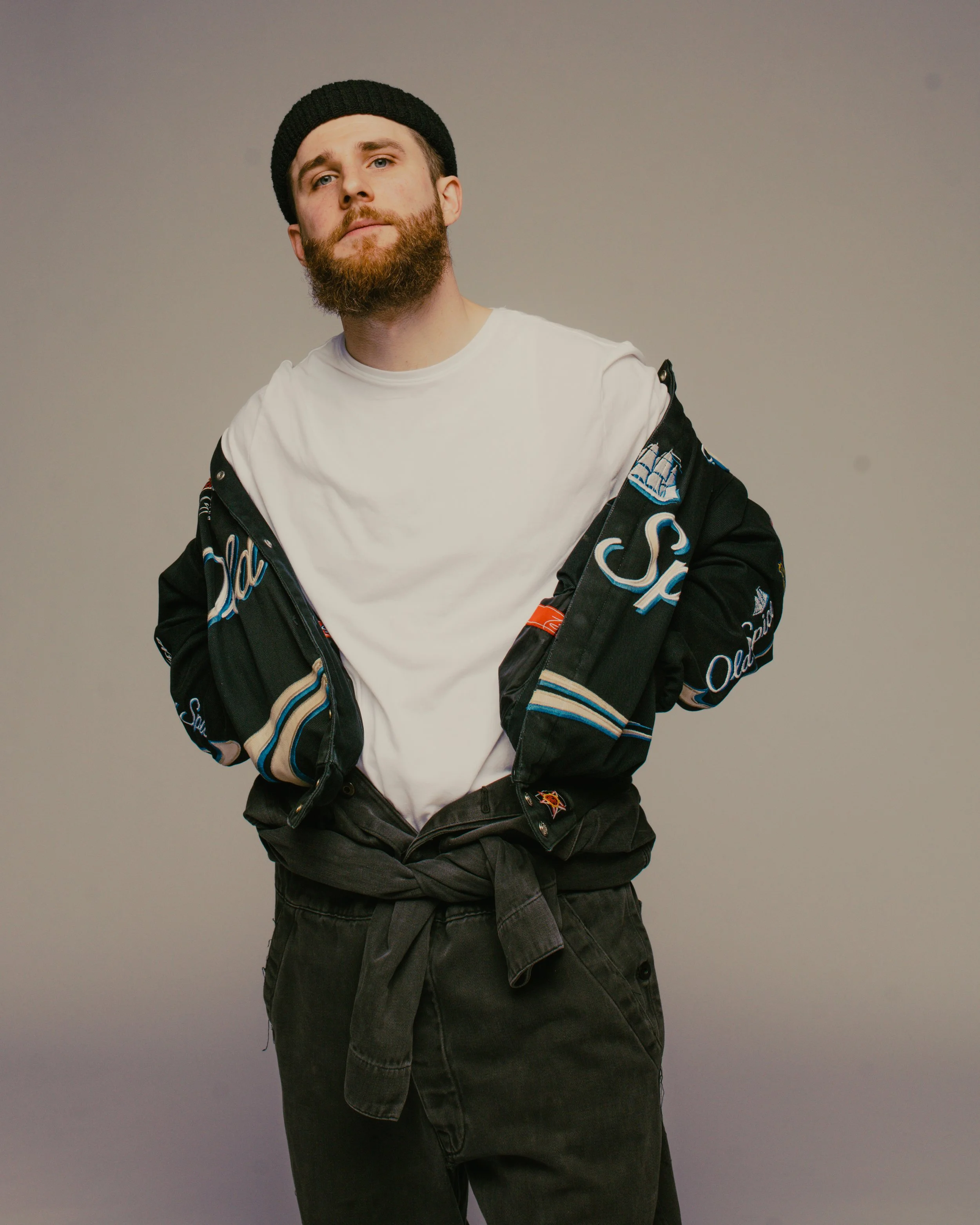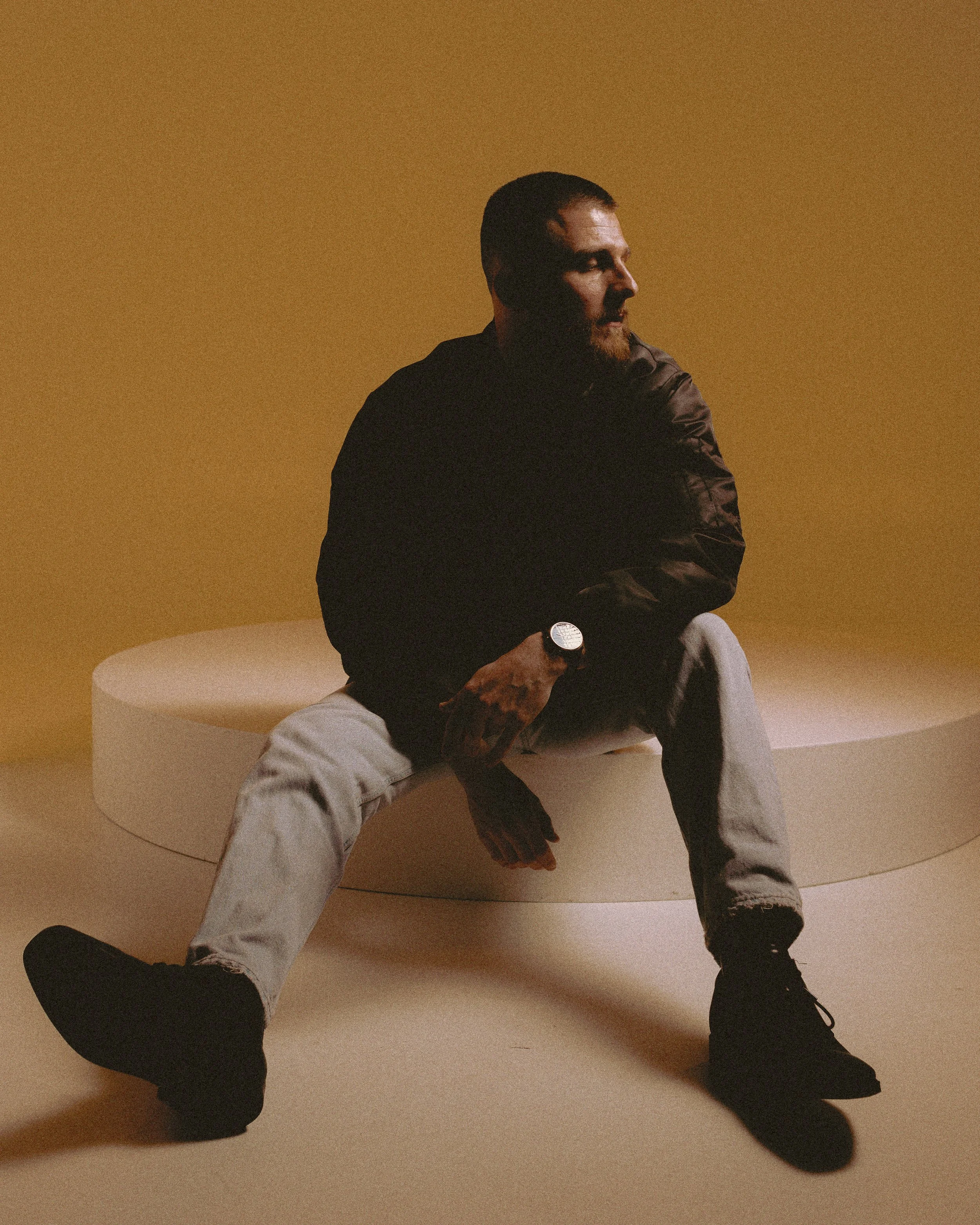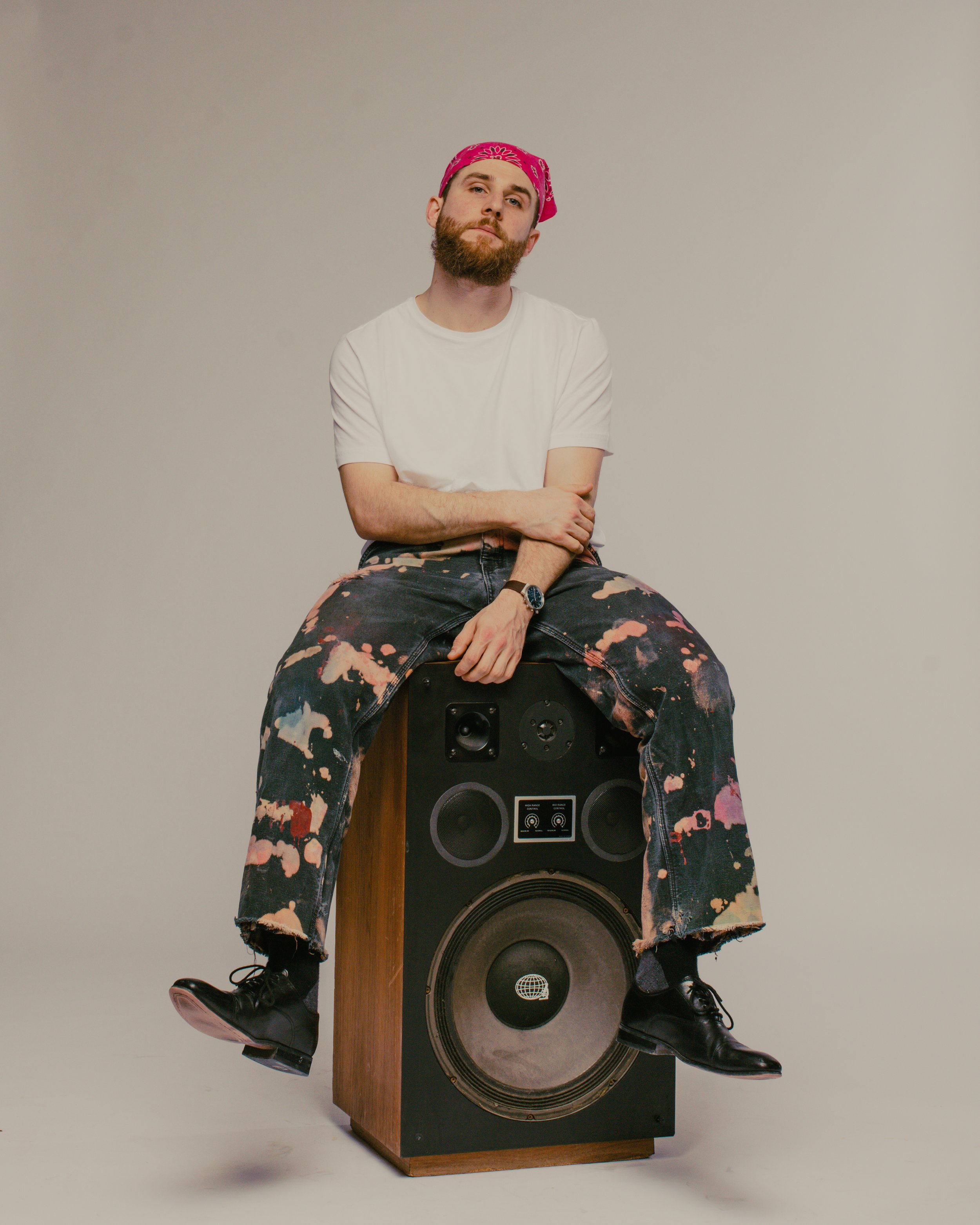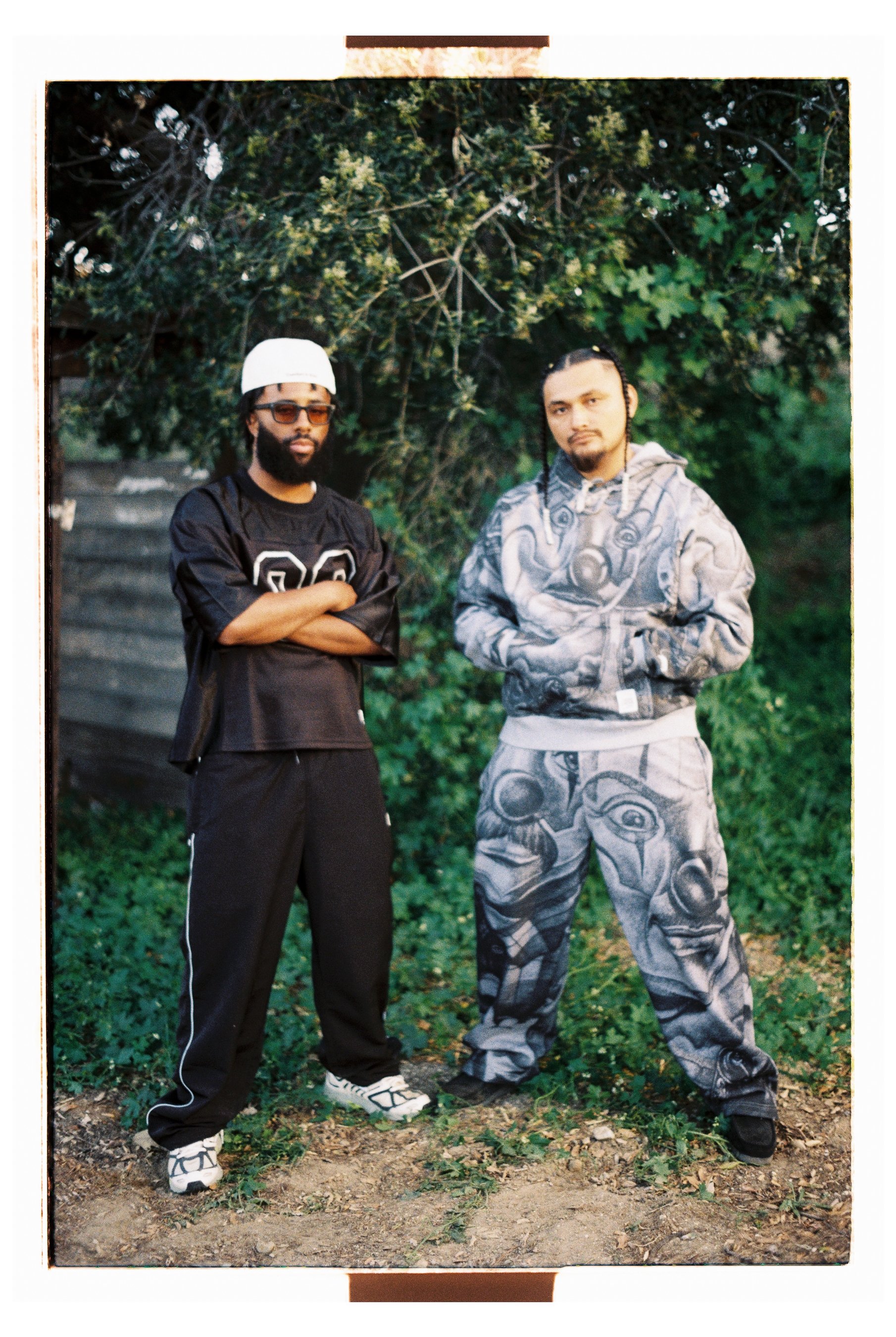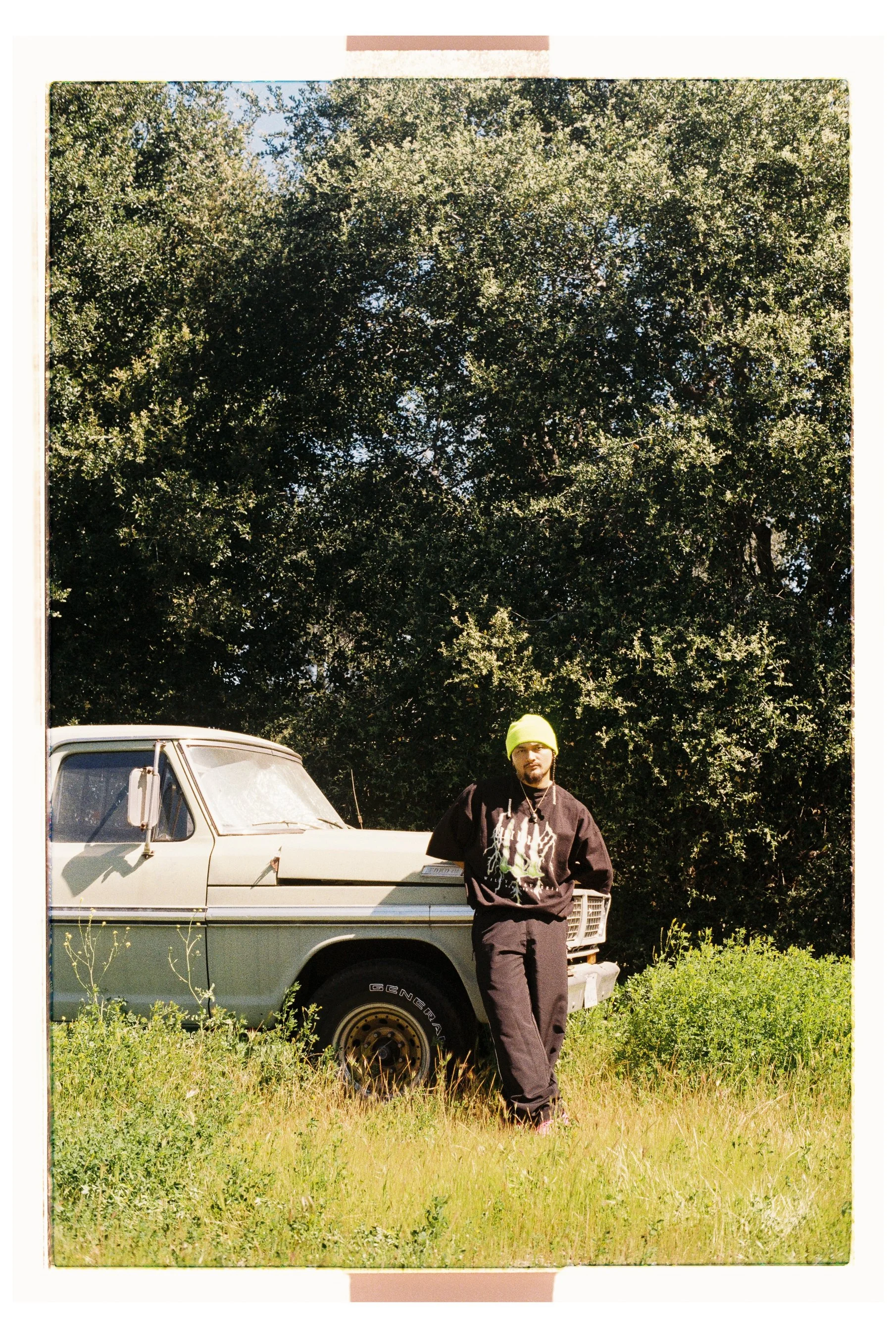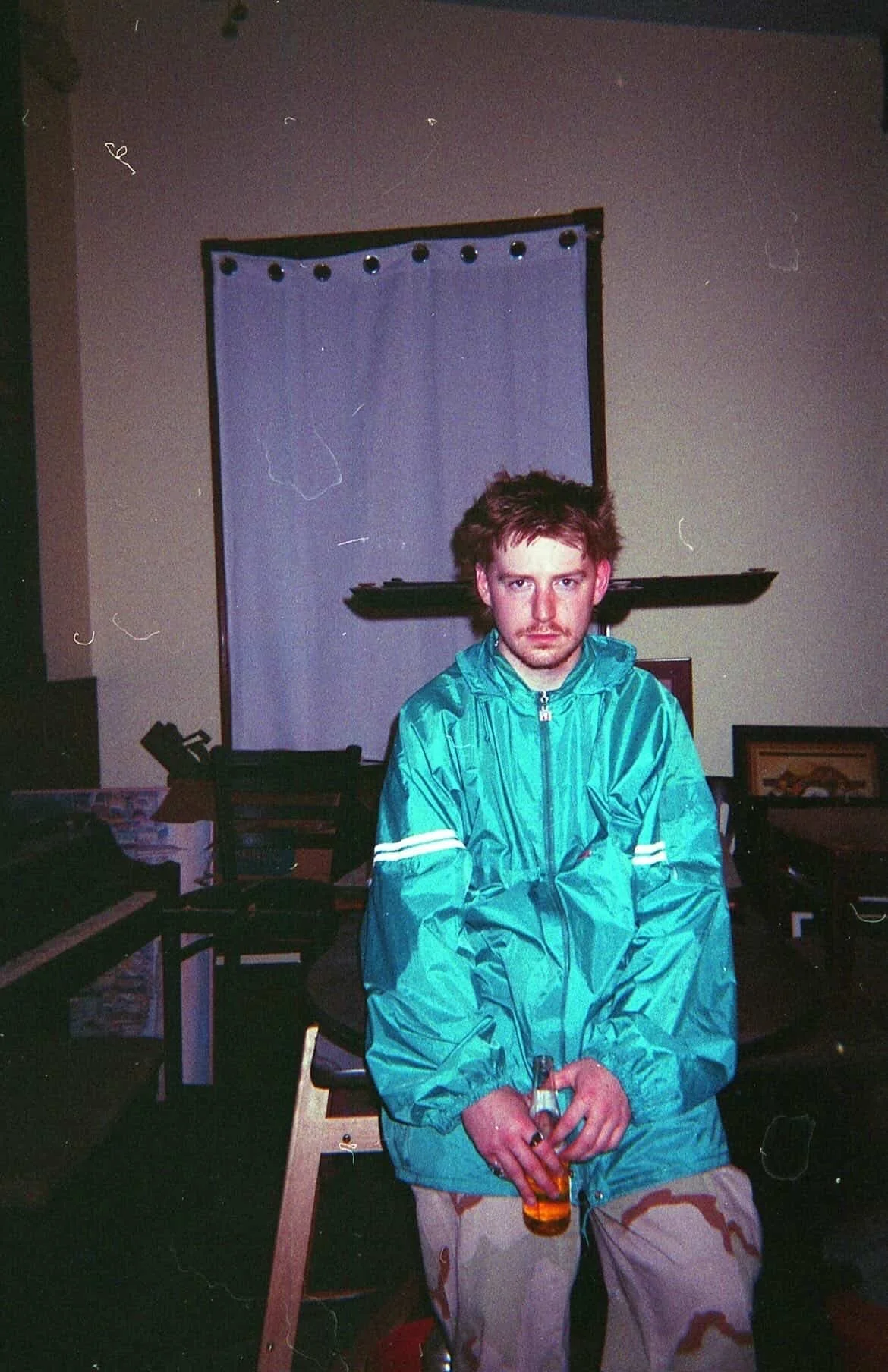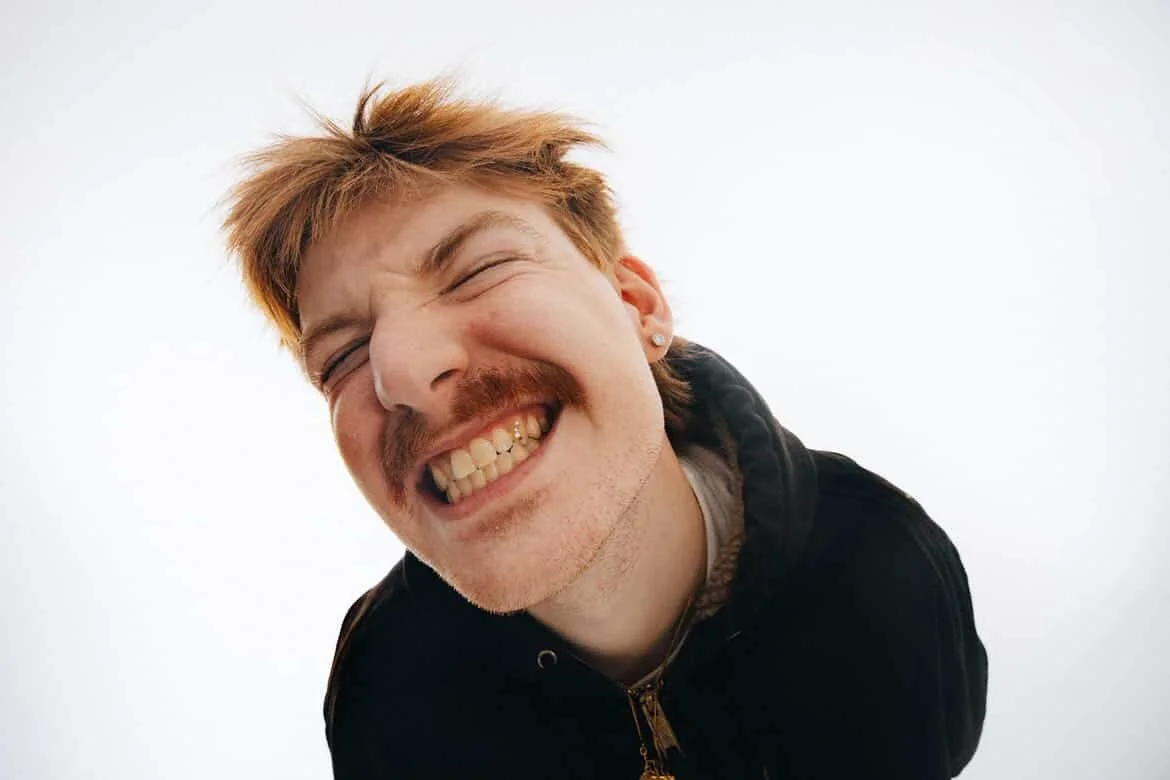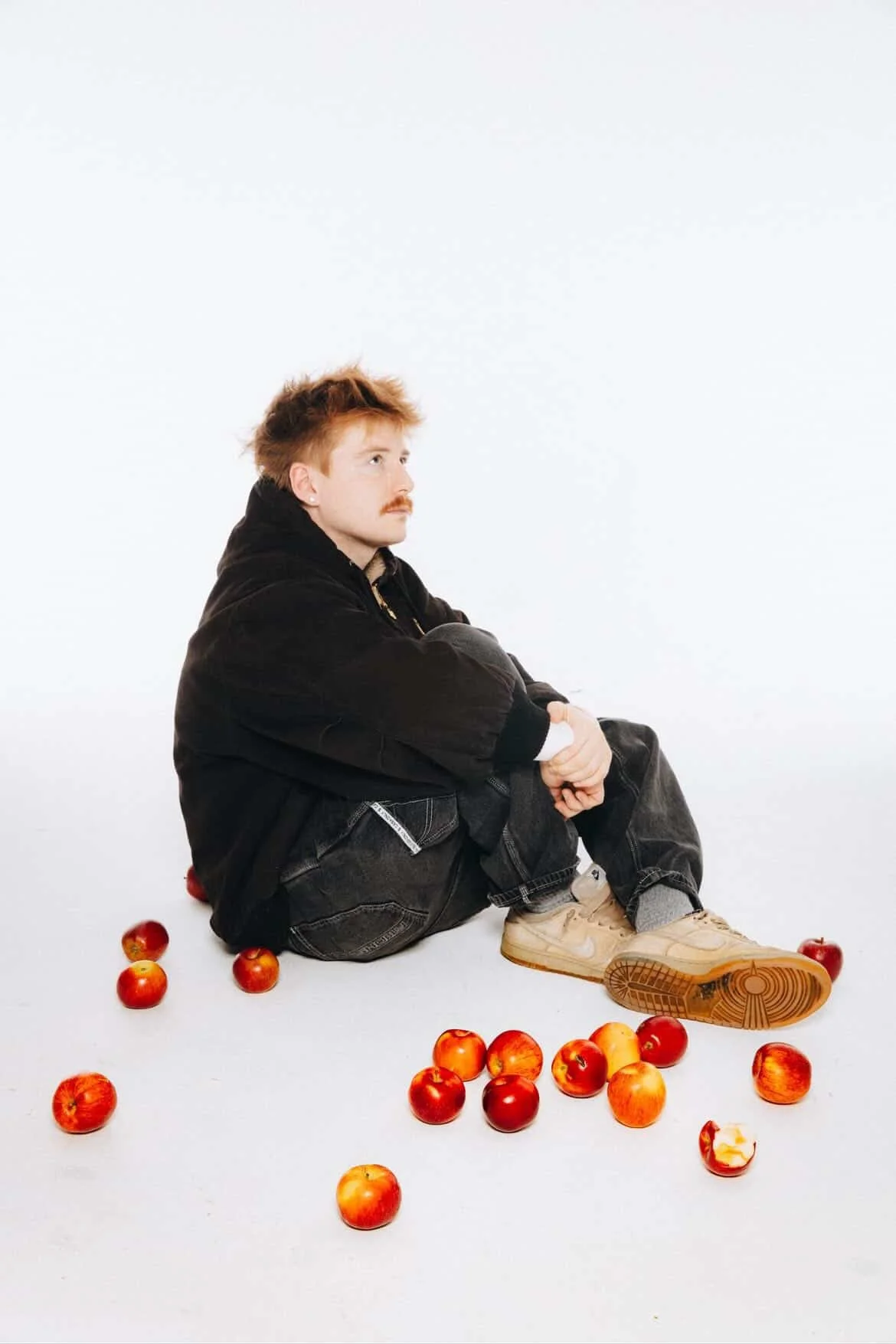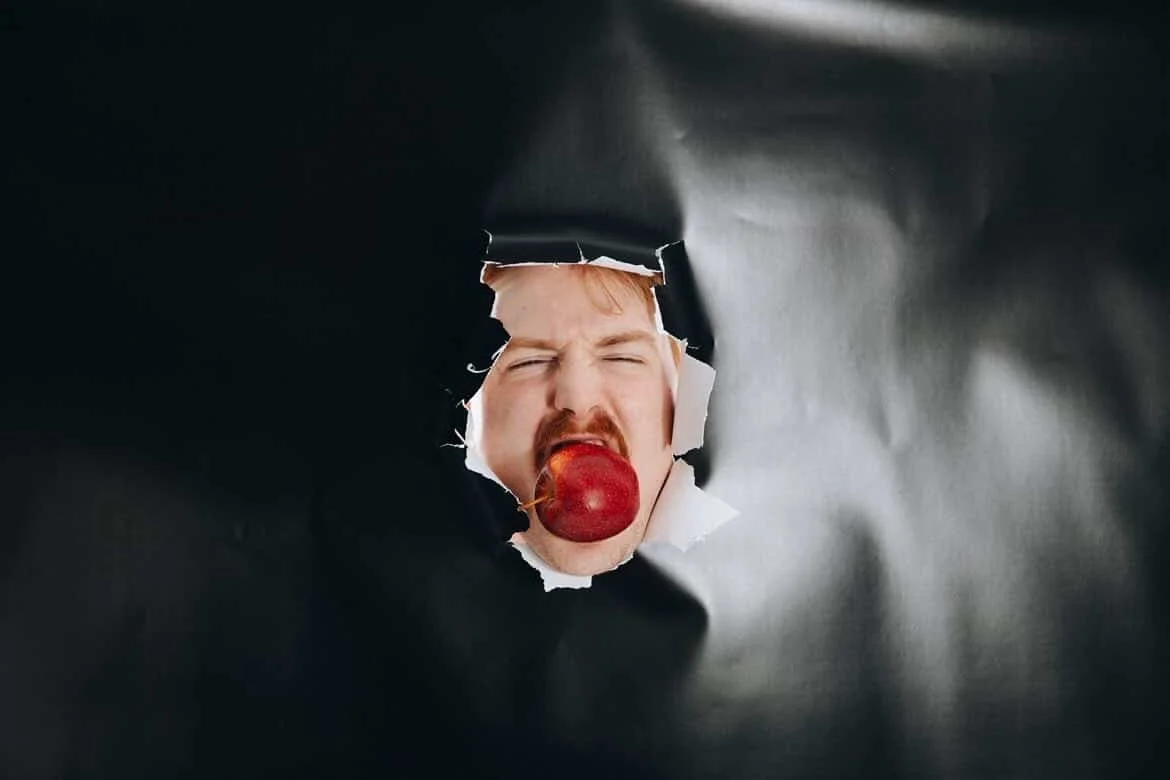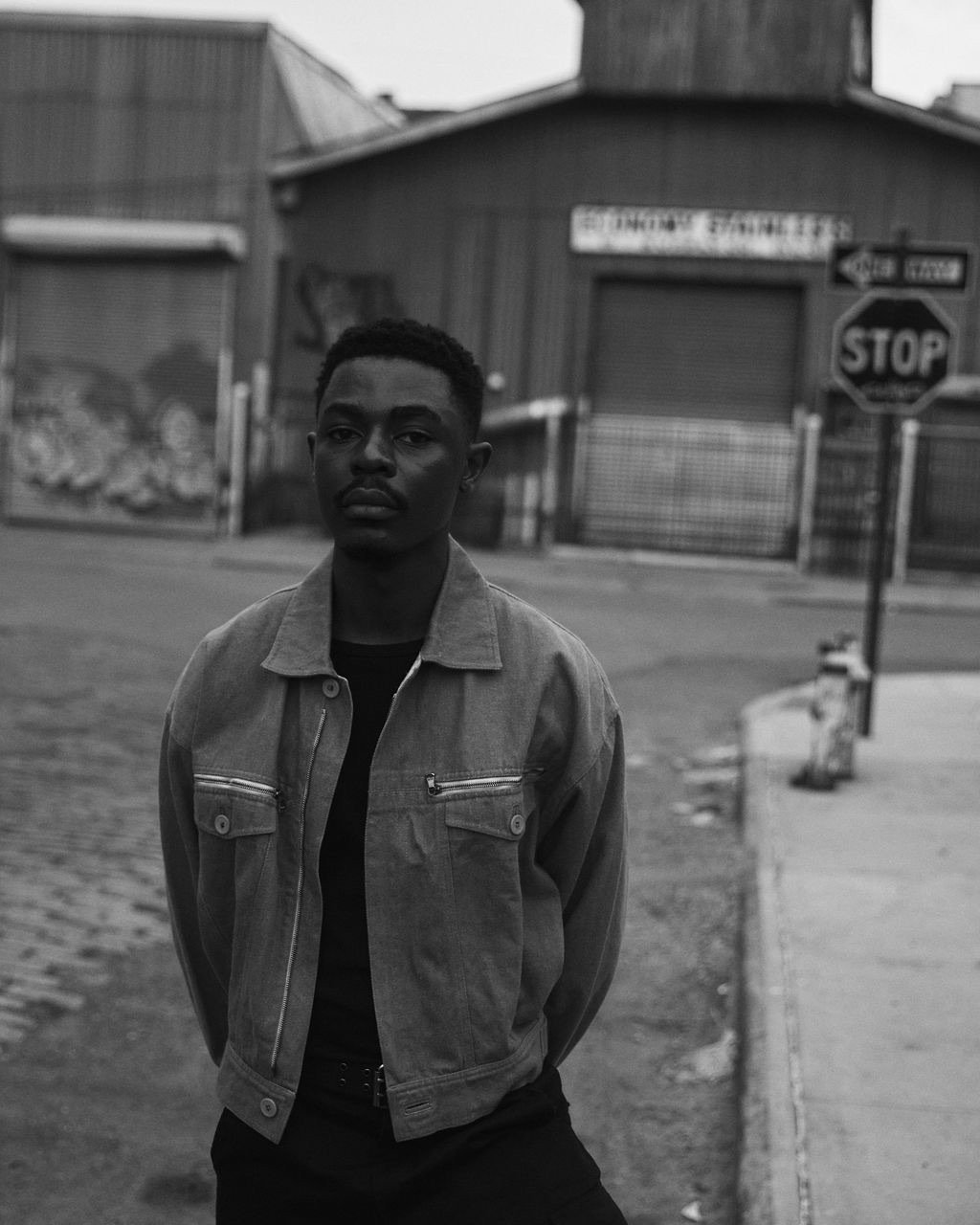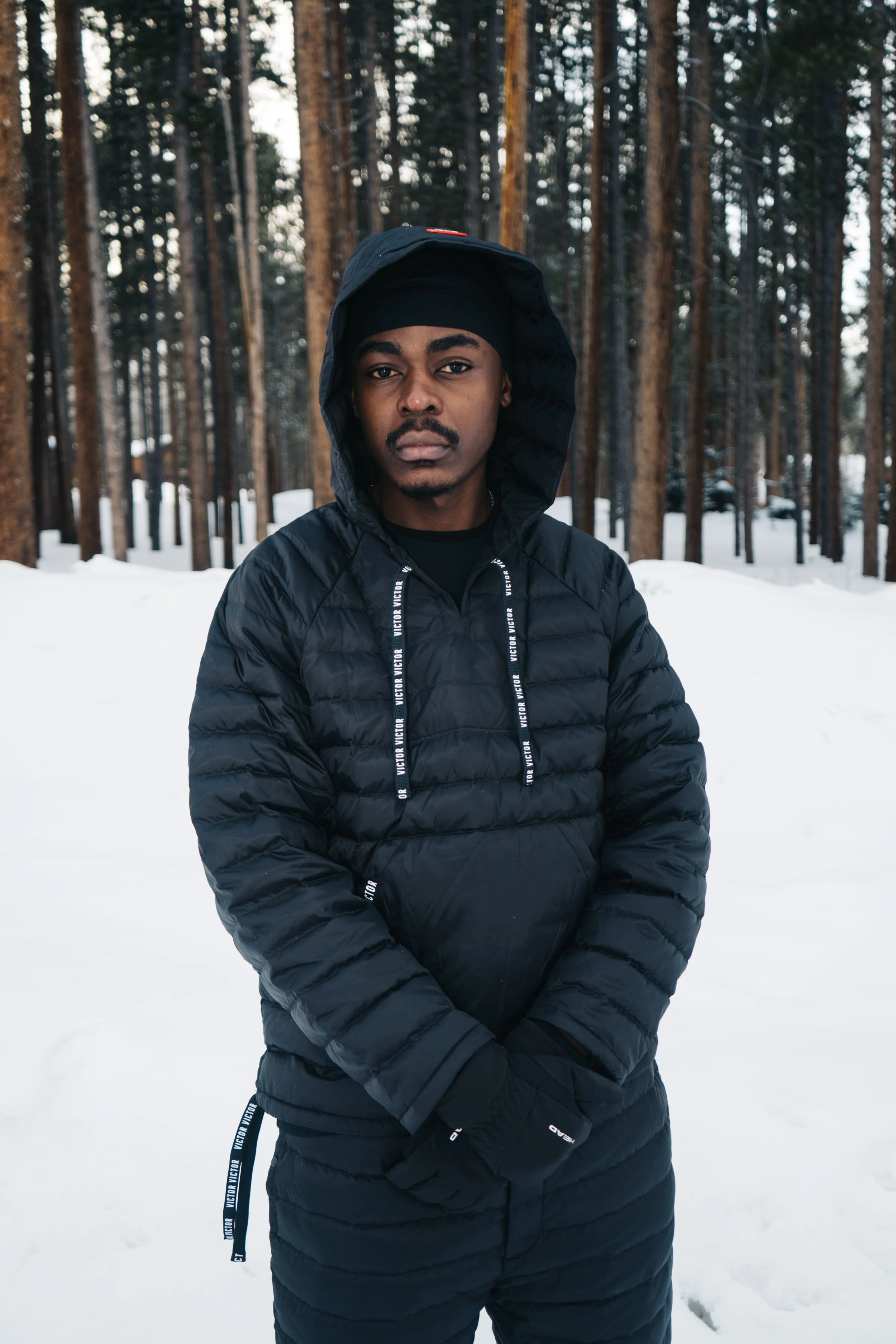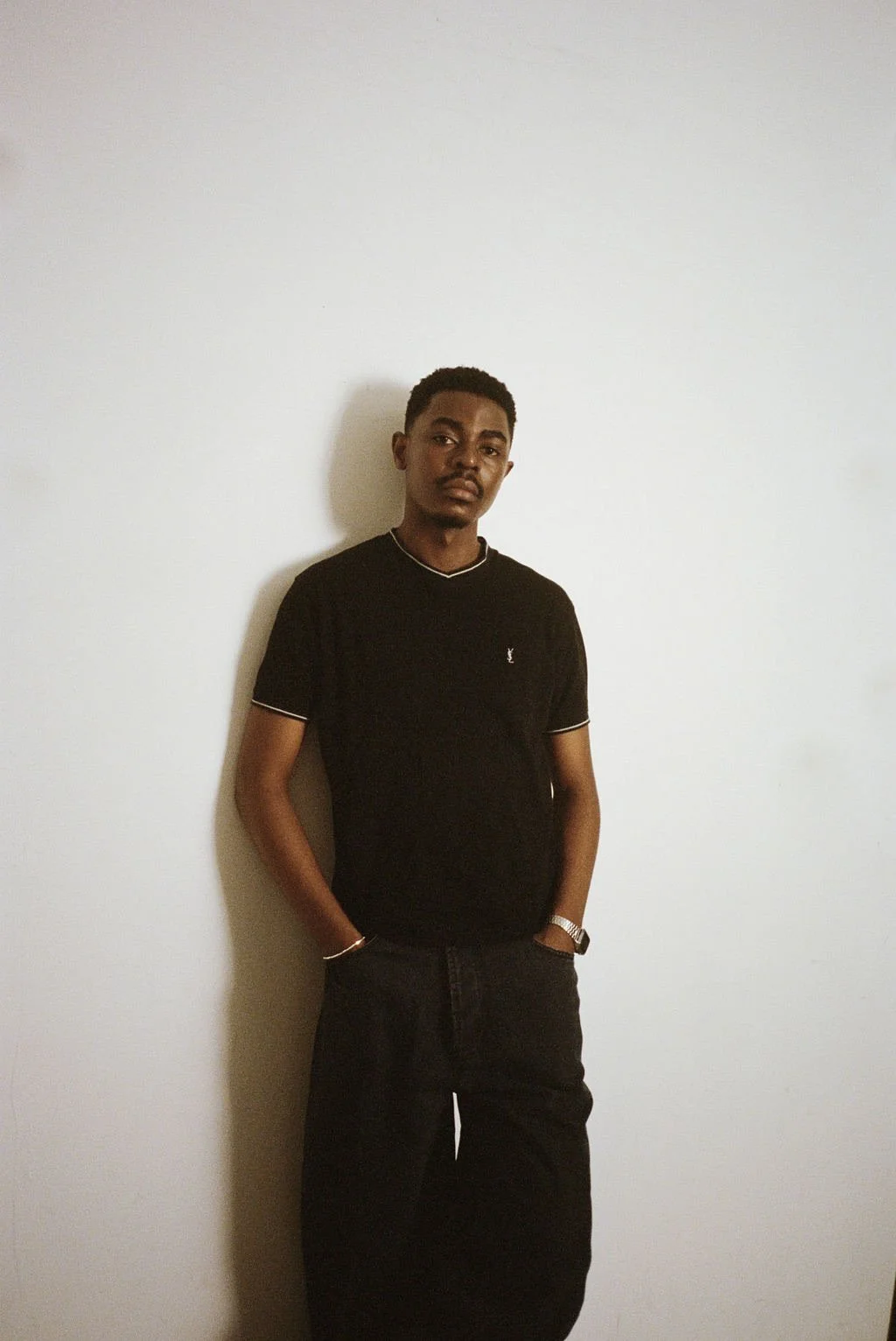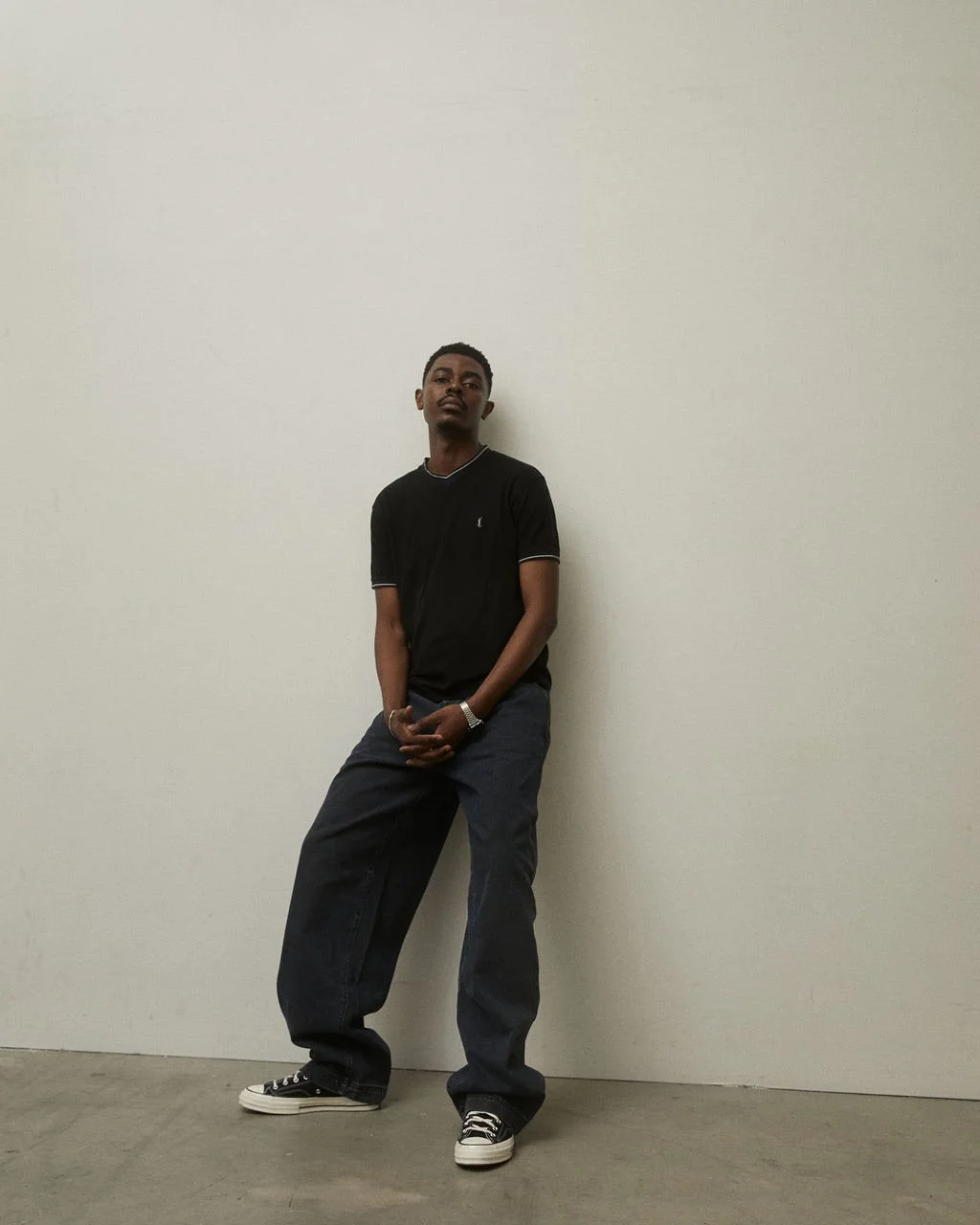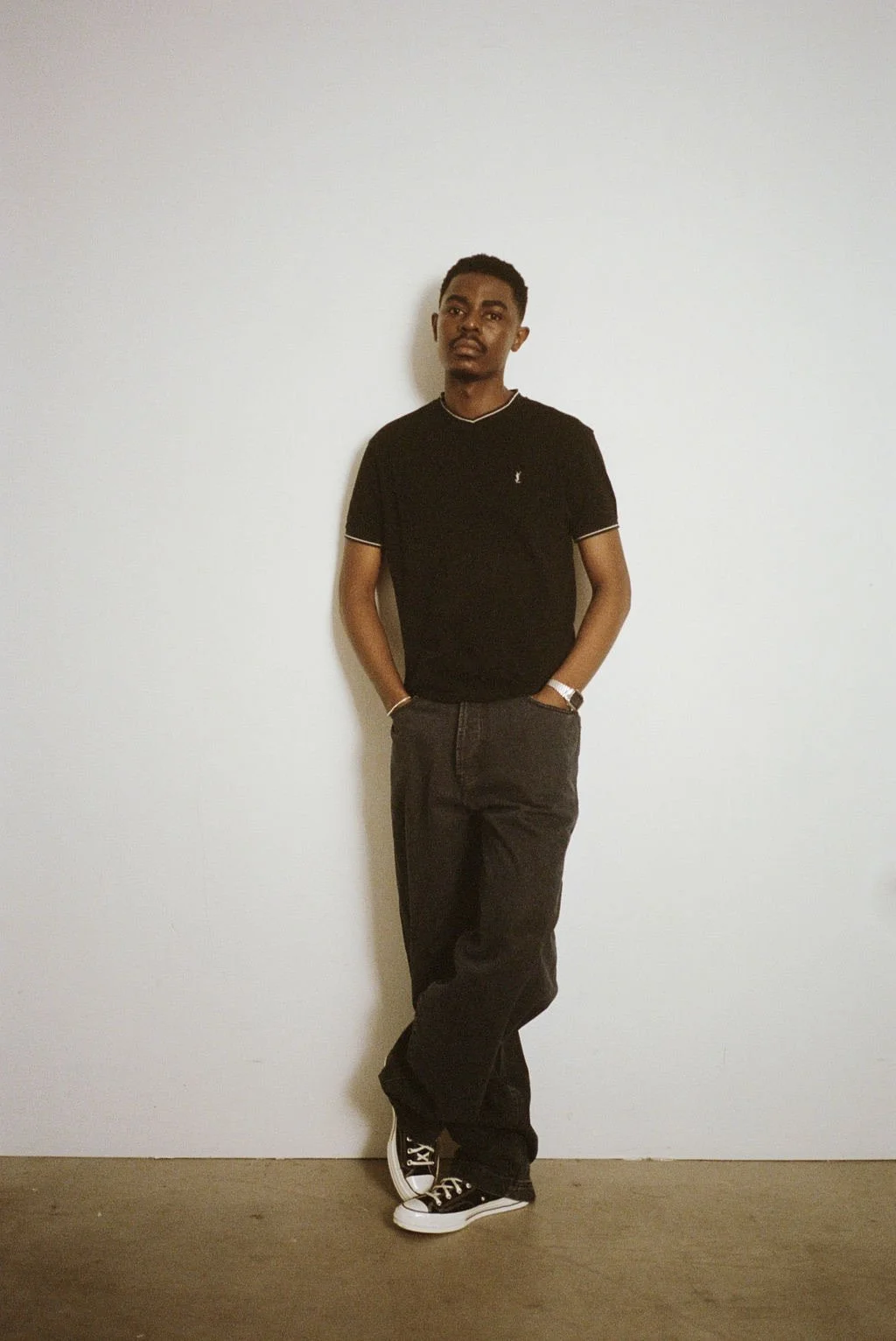
The Art of Becoming: O'baekey's Next Chapter

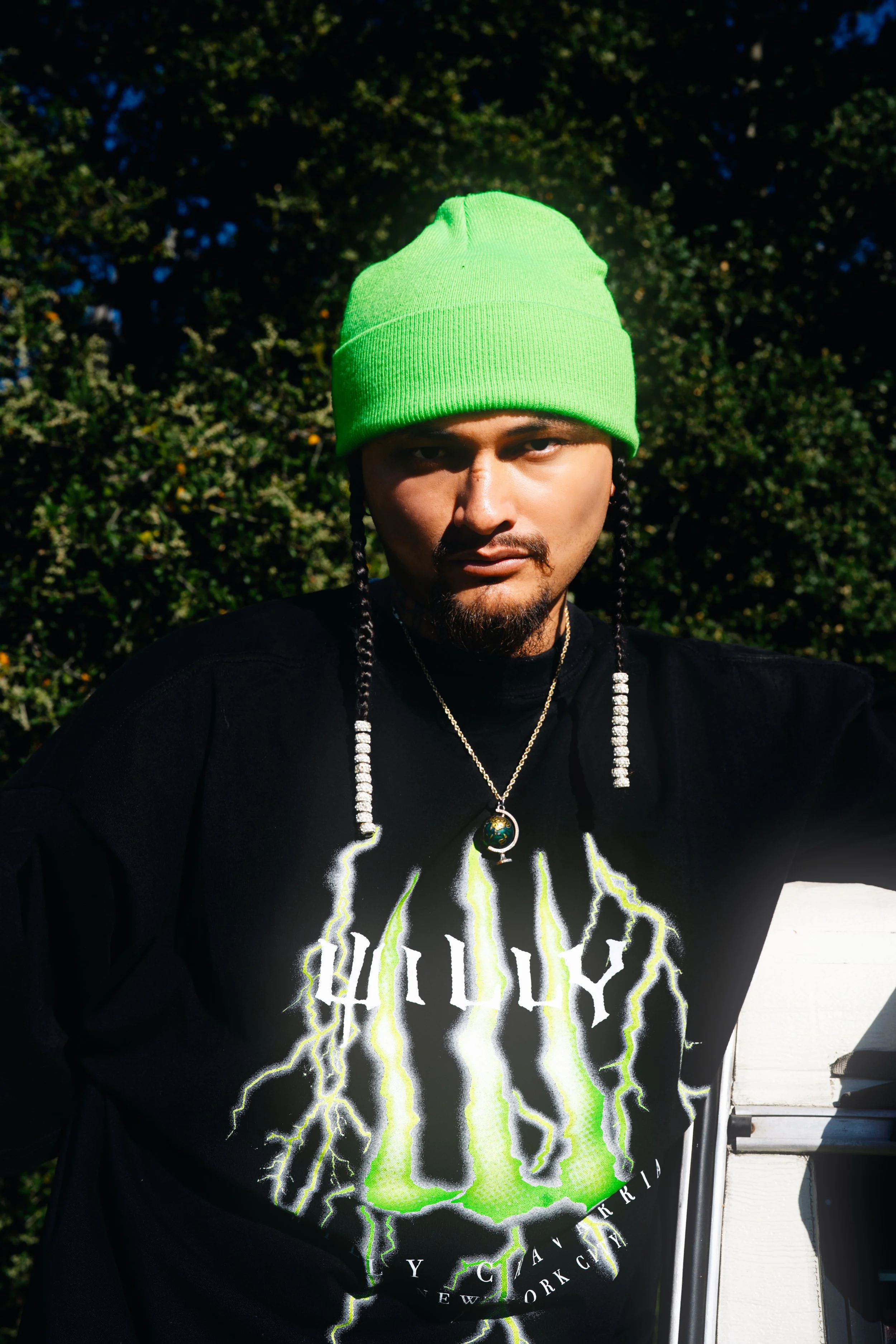
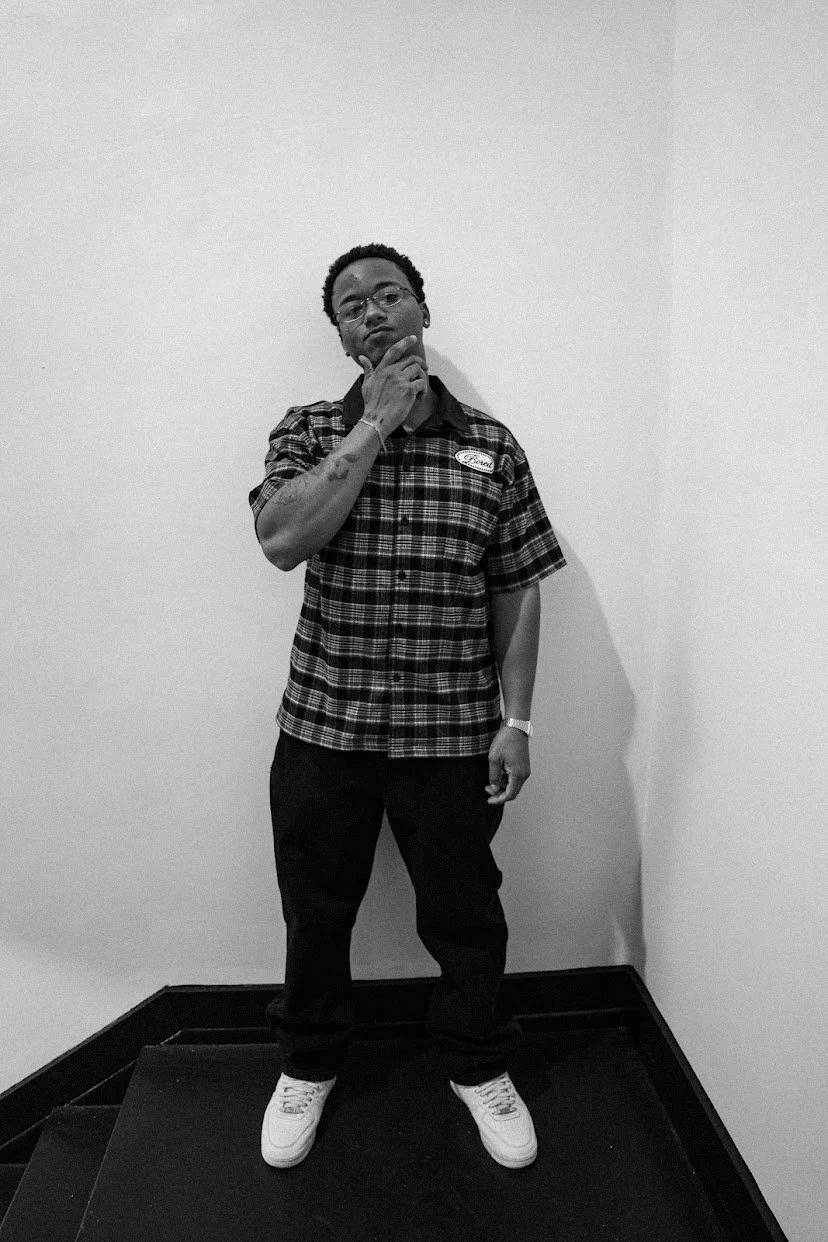
Over the past few years, O'baekey has quietly developed into one of the underground's most thoughtful voices. Since releasing Portraits while studying music production in New Orleans, the Brooklyn-based artist has approached every project less like a collection of songs and more like another chapter in an ongoing search for meaning. Drawing from Southern trap, boom bap, blog-era hip-hop, early 2000s R&B and countless other influences, O'baekey has crafted a sound that's as technically versatile as it is emotionally grounded.

His latest album, The Apple Doesn't Fall Far, is his most fully realized work to date—a record that reflects not only his evolution as a rapper, producer, and songwriter, but also his continued pursuit of understanding himself through music. We sat down with O'baekey to talk about artistic growth, moving from New Orleans to Brooklyn, the ideas behind his latest project, and what comes next.

~

You’ve described your music as a way of searching for deeper meaning through sound and language. When did music start feeling like more than just expression for you, and more like exploration?

To me, music and art in general are the most powerful tools humans have for self-discovery and reflection. A good song is like a therapy session for me. When I made my first album in 2021, I had this grandiose delusion that I was the greatest rapper of all time, which I feel like you need to have as a rapper. But that album was more about me proving that I could rap than it was about exploring deeper themes about life. That changed a bit in my second album, and even more so in this new project.

Your journey from New Orleans to Brooklyn feels like a major shift both personally and creatively. How has that move influenced The Apple Doesn’t Fall Far?

I was born and raised in Connecticut, so moving back east has been a homecoming for me in a way. But after spending five to six years in New Orleans, that city started to feel more like home than anywhere else.

So moving was bittersweet. I became a man in that city, learned about myself, and made some of my longest-lasting friendships. I owe so much to New Orleans. The Apple Doesn’t Fall Far is like my last ode to the South. On “Crystal” the hook is literally “I’m in love with the filthy south”, and I interpolate Big K.R.I.T. on the verses. On “Momma” the hook is “Momma, I’m coming home; I’m not the same anymore”.

Despite coming back east, I feel like New Orleans forever changed my trajectory, and I’m eternally grateful.

Your sound pulls from so many worlds—Southern trap, boom bap, blog era rap, early R&B. How do you decide what influences belong in a track without it feeling scattered?

Honestly, I’ve always struggled with deciding what my shit should sound like and what creative direction I should go in. Because I like so many different kinds of music, I go through intense periods of wanting to make completely different things. Sometimes I feel like I don’t really have a definitive sound.

The first album was super east coast hip hop, the second one I feel like had a ton of Kanye influence, and The Apple is like the most southern thing I’ve ever done. I love all that music, so I try to make it. Sometimes it comes together cohesively and sometimes it doesn’t.

The stuff that does gets released and the other stuff sits in my hard drive until I know what to do with it.

Since Portraits in 2021, how do you feel your relationship with production has evolved as you’ve grown as an artist and studied music more deeply?

Portraits was my first project ever working directly with a producer, my friend Wyatt Pinto who I met in college. That process really showed me the beauty of locking in on an idea with someone and building a partnership. I’ll always be grateful to him for taking that on with me. After that, I wanted to diversify a little bit, so with that second album, I had a bunch of other producers on there. That process taught me how incredible it can be working with a community, and getting all kinds of different input and ideas.

But with this last project, I wanted that feeling of partnership again. I reached out to my friend and producer Kobe Holmes and told him I wanted to make one last album while I was in New Orleans, and I wanted him to fully produce it so we could make something sonically and thematically cohesive. We made TADFF together in my bedroom studio in New Orleans. The process was so gratifying, and he’s an incredible musician. The next step for me is to make a self produced tape, which is already in the works.

There’s a strong sense of intention in your work, almost like every project is asking a bigger question. What question were you trying to answer with this new album?

This album is an exploration of some hard truths I’ve had to deal with as I’ve gotten older. Everyone has heard the phrase “The apple doesn’t fall far from the tree.” It basically means that people are prone to end up just like their parents.

My whole life growing up with my parents, and my Dad specifically, my goal was to go as far in the opposite direction that he went as I could. Not because he’s a bad guy at all, but because I saw the mistakes he made and how they affected his happiness, and I tried to learn from that. He chose financial security, but never seemed to find true happiness in his work. I chose to chase a dream, even if it meant being broke.

He dealt with a lot of unhappiness, something I never wanted to be my reality. But throughout making this album, I realized I’m so much more similar to him than I ever knew. We’re both stubborn and hard working. We’re both prone to being unhappy. We have similar vices. And I had to learn to accept that reality and work through it instead of denying it like I’d been doing. You should learn from your parents, including their mistakes.

Your writing often feels reflective and layered. Do you usually start with a concept, or do those deeper themes reveal themselves after the music comes together?

Everything starts with the first line, and goes from there. My songs are often just a manifestation of what I’m feeling at that moment, and then as I keep writing, sometimes they almost turn into like philosophical discourse. Not all the songs obviously, some are just bangers for the sake of being bangers, and those are fun too. But even those are like manifestations of me feeling like I’m the shit at that moment. I’m not great at communicating my feelings outside of music if I’m honest, so these songs become my therapy sessions. 

Brooklyn has such a rich musical history. Has being in that environment changed how you approach your craft or your expectations for yourself?

Being in Brooklyn has lit a fire under my ass. I wake up literally anxious to make shit happen, because of how fast this city moves and how great all the artists here are. I’ve met a lot of great people and am still working on making myself a staple of the amazing community that is this underground music scene.

It’s hard because I work a day job so I can’t always be at all the events, but I just want to build genuine relationships with like-minded people here. It’s amazing being around creatives.

I’ve been to SOB’s a bunch and it’s wild to think so many artists I look up to have performed there. It’s on my list for sure.

You’ve mentioned being inspired by artists like Isaiah Rashad and Mac Miller. What specifically about their approach to music resonates with you the most?

I think with Mac and Zay I fell in love with them at a young age, and so I became heavily influenced by them. I used to watch every Mac interview, the documentaries, and listen to every tape a million times. He was a ridiculous lyricist and put into words a lot of feelings I couldn’t articulate at that age. His positivity as a person, along with his introspection and honesty about his vices, was and still is so inspiring to me.

He was genuine and authentic and beloved by the community, things I really strive for. As for Zay, the way he’s able to match his lyricism to his production just has a stranglehold on me. He creates these moods with his songs that I just fall into.

His ability to capture the feeling of nostalgia perfectly is insane. I also think they’re both just super introspective, and their music makes you think, something I always want with my music.

As someone who treats music almost like research or self-discovery, what’s something you learned about yourself while making this album that surprised you?

As I said before, this album taught me that I’m a lot more like my Dad than I thought I was, for better and worse and everything in between. I also learned that I don’t have as much control over my vices and flaws as I thought I did. I turn 25 next week, and I still have a ton of growing and learning to do. I guess that’s how life goes. You figure out who you are more and more every day.

Now that The Apple Doesn’t Fall Far is out, what does “success” look like for you in this next chapter—creatively, personally, or professionally?

Success to me is just making something that people can relate to, and then getting them to hear it. I’m a cook, and I love making food. I think of music a lot like cooking. You can make a plate and eat it yourself and be like “Fuck yeah, I made that plate and it was delicious and I enjoyed it.” But it will never be as fulfilling as cooking for a group of people and sharing what you made.

Music is the same way. I can make a song and love it and be proud of it myself, but I want to share the feeling it gives me with as many other people as I can. Hopefully by the end of this year I’ve played a lot of shows, put out another project, and reached more people.

I feel like this shit is good and good for you, and I want to share that with as many people as I can.


Huge thank you to O’baekey for the interview opportunity and inviting us into his mind and the process behind his latest work. Make sure you’re following O’baekey on Instagram @obaekey to stay locked in with the next release. And if you’re an artist interested in being featured, follow Nefarious Supply on Instagram (@nefarioussupply) and submit your music here.

Who’s Next: Six Artists Nefarious Supply Is Watching Right Now - June 2026

Who’s Next is our quick monthly check in: six artists we’re actively watching right now, picked from real listening, not internet temperature checks. It is less about declaring who is next up and more about keeping a record of who keeps earning our attention in real time.

It’s also our running shortlist: a place to document the names we keep coming back to before the story gets explained for us. Not a forecast. Not a co sign. Not a trend report. Just six artists who’ve been holding weight in our rotation and feel like they’re building toward something real.

Different sounds, different scenes, same throughline: identity, discipline, and worlds that feel authored instead of assembled. The kind of work that reads like a catalog in progress, not a moment, and gives us enough to keep watching without pretending the whole story has already been written.


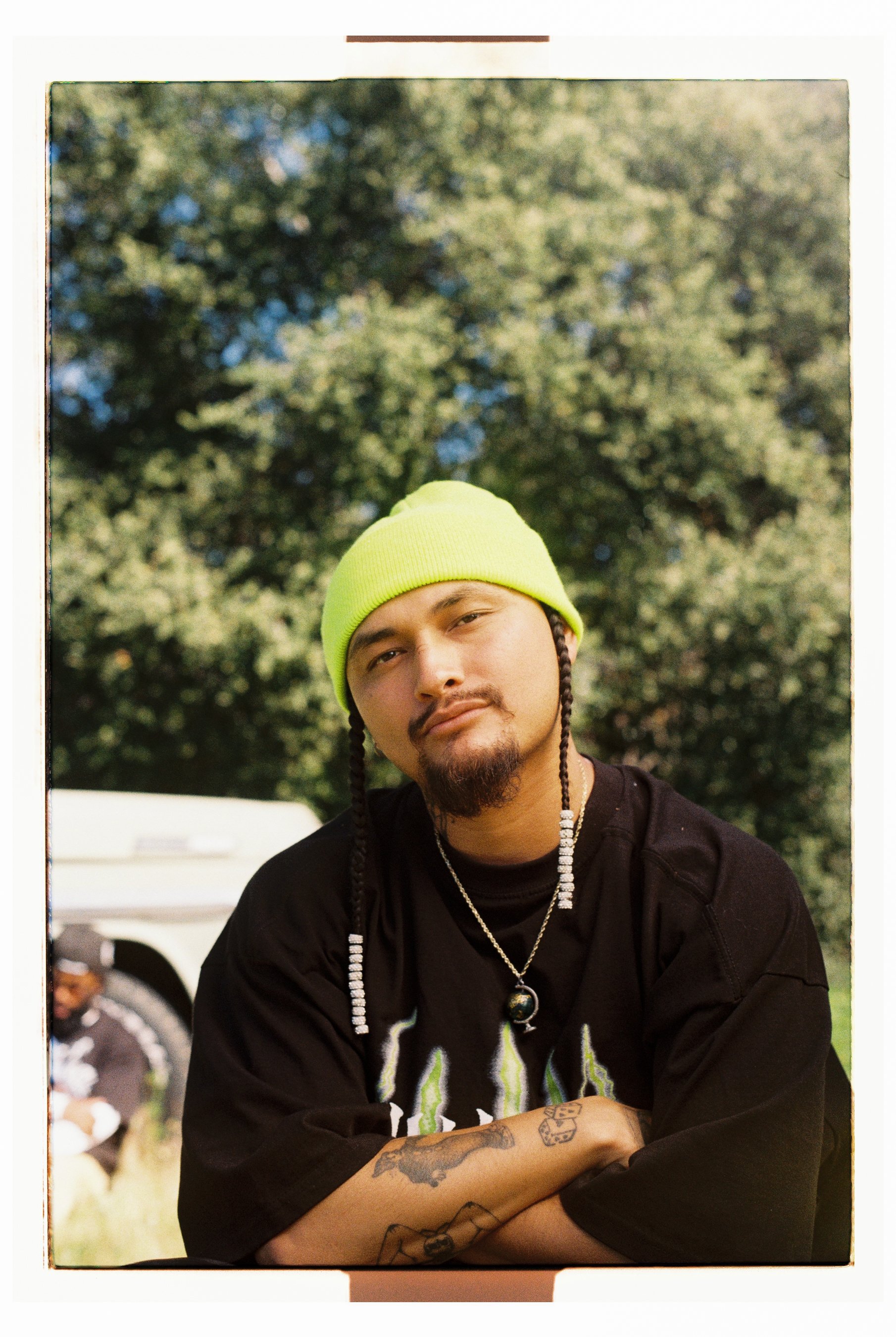
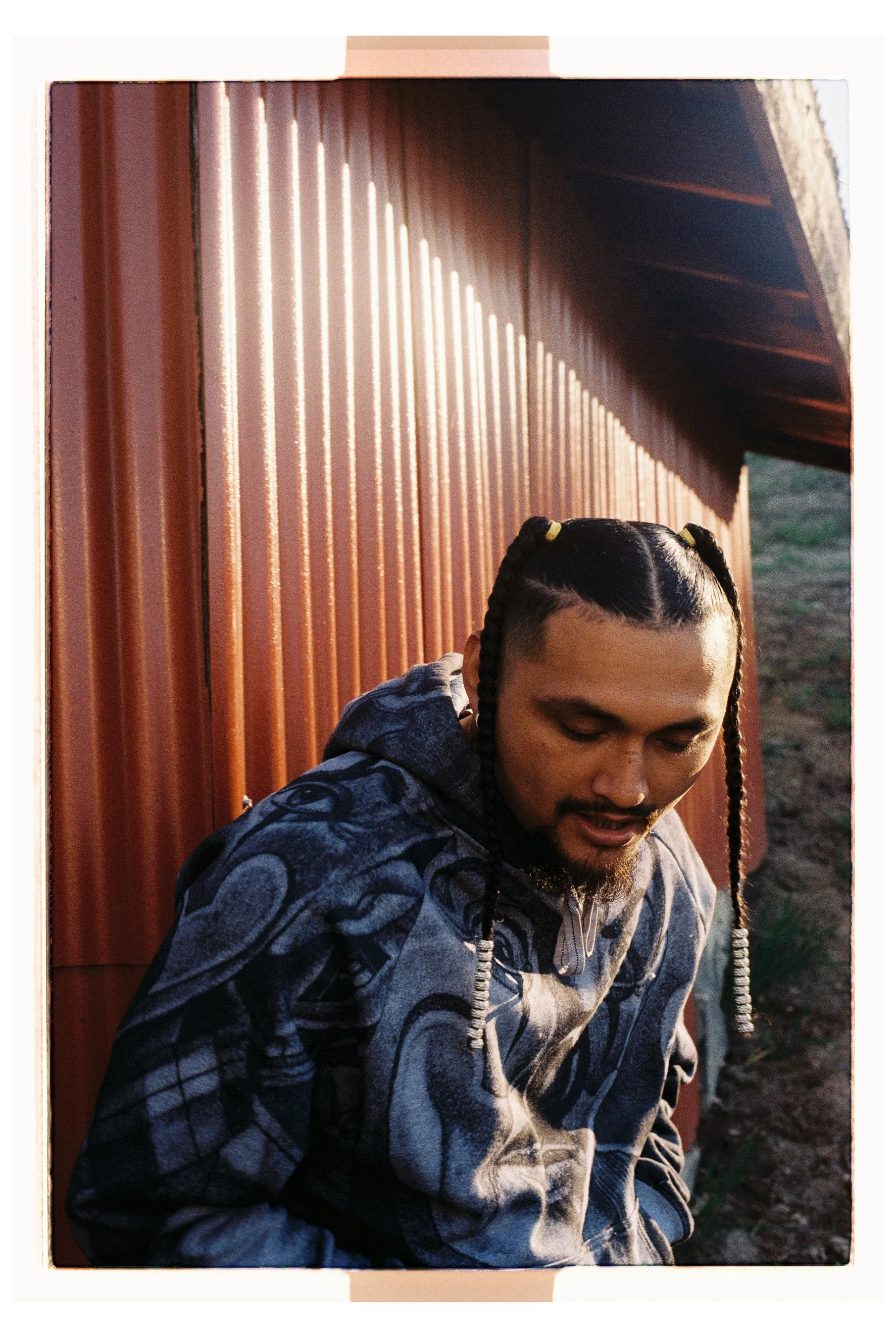
Photo courtesy of ihateyouALX.

ihateyouALX

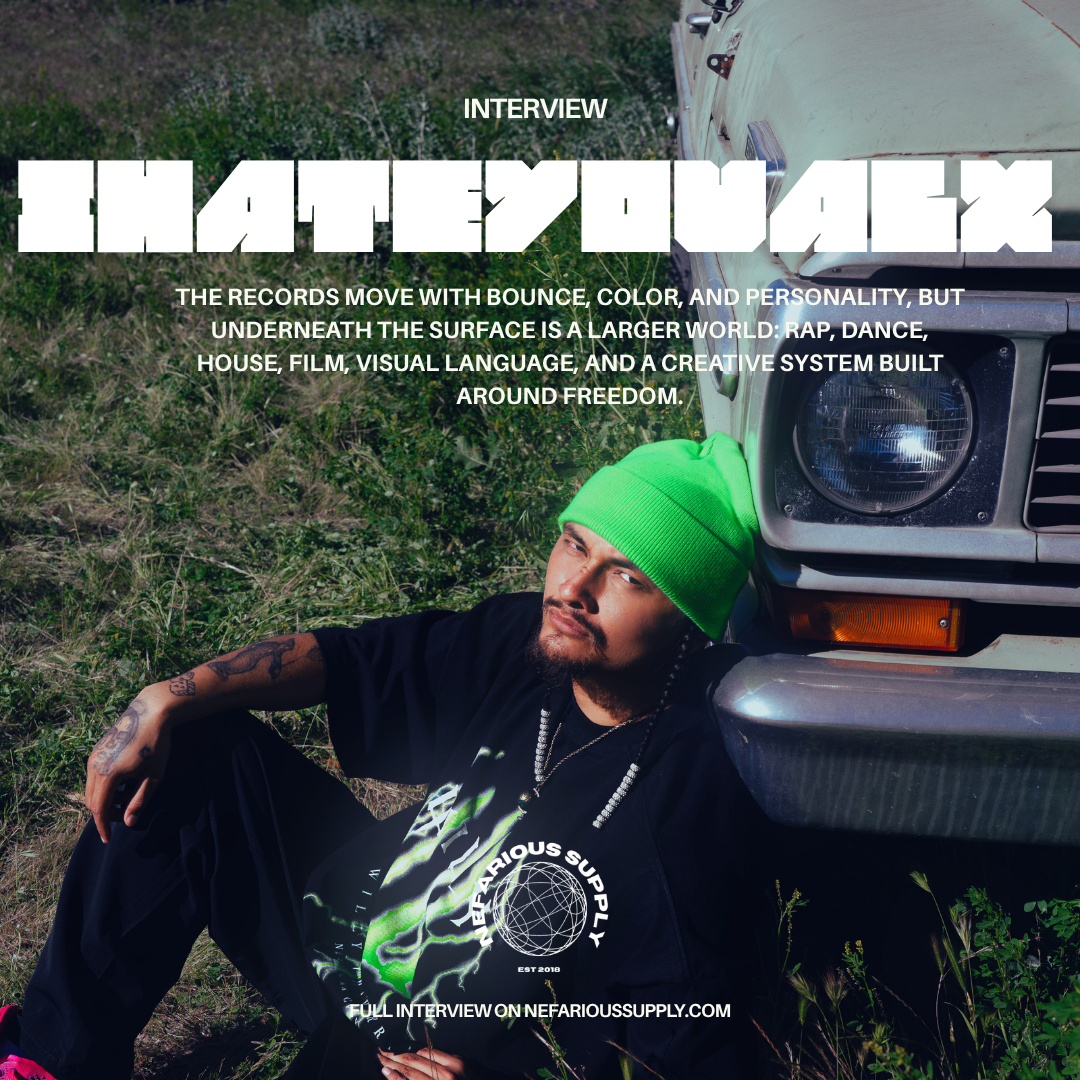
ihateyouALX makes music like somebody who’s already in control of the room. The bounce is immediate, but it’s not careless the records are engineered. Rap instincts, dance posture, house swing, alt textures, all moving under one name stamp that keeps getting cleaner with each release. The biggest tell is intent. A lot of artists can make “fun” records; fewer can make them feel built. ALX’s best songs carry structure: a hook that does real work, a tempo that stays disciplined, and production choices that feel like decisions instead of presets. The music reads like someone who understands that energy isn’t just volume, it’s pacing.

The other signal is how hands on the world is. The looschnge. ecosystem doesn’t read like branding layered on after the fact; it reads like a small world around the music, a place where visuals, streams, project links, and short-form philosophy all sit under the same identity. ALX has said the video is “the final word” the thing that locks the feeling into your memory so you can’t hear the song again without seeing the scene. That kind of thinking is rare at this level, and it shows: the releases feel authored, not posted.

And looschnge. isn’t positioned like a merch tag. It reads like a studio in progress: a broader universe (run with family) where music, film, and design are meant to sit next to each other. ALX’s version of “world building” is literal: a colorful space where creativity is treated like a rule breaking exercise, and the philosophy is simple don’t take yourself too serious, even when the work is.

That philosophy is sitting inside the music too. The last checkpoint before the “KTPL.” EP is the new single, “keep the party lit.” a record built on contrast: a beat that moves like celebration, with lyrics that are basically instruction. The hook isn’t about the party; it’s about momentum. Keep going. Keep the dream alive. The record started the unglamorous way a lot of real songs start: ALX and Nick Reed digging through a beat pack from their Spain based producer, then ALX getting pulled in even when they weren’t planning to record.

Even the details reinforce the point. ALX’s favorite moment is the intro: the open mic, the laughter, the real time figuring it out because it sets the tone: light on the surface, serious underneath, and human all the way through.

What we’re watching for next is the “KTPL.” EP era to land publicly with full clarity release date, visual cadence, and the moment the wider conversation catches up to what the catalog’s already been telegraphing.


Photo courtesy of Burgundy / No Diploma Records.

Burgundy

Burgundy’s best records live in the in between: soft edged, melodic, and constantly shifting without losing the emotional center. The writing stays restrained on purpose. Atmosphere does the heavy lifting, and the details are what keep you coming back. Their own definition is blunt: music “in between genres,” free to expand in any direction and the only thing they don’t want people to assume is that the sound will stay the same.

Part of what’s made the run feel credible is the real world motion around it. Burgundy has been framed by No Diploma Records as a warm summer single artist Jordan Ward / Dijon / Roy Blair adjacency but the catalog holds up beyond a reference list. There’s press side validation too (SOCAN “Five Rising Stars of Quebec R&B & Soul to Watch in 2025”), plus the kind of offline traction that matters: rooms, festivals, and a community that shows up.

The core is Montreal, but the real influence is pace. Burgundy talks about writing with the seasons: winter pulls the songs inward, summer pushes the energy up. And the arc has been steady: early guitar “skeletons” turned into real releases once the feedback hit, then a sequence of “this is real” moments (a first single popping off, a management deal in LA, the first real video) that eventually became something more stable a team with a long term plan.

If you want the thesis in one record, it’s “Marathon.” Written in the middle of a long distance relationship, 70 hour work weeks, and a rollout happening at the same time, the song’s motion comes from a real life sprint. The melody landed mid shift at a Thai restaurant, got saved as a bathroom voice note, then got refined across cities (Montreal → Melbourne → back home) with Oclair and Mathias Clerc. They describe the goal as “textures and dynamics” acoustic warmth married to electronic space and it plays like that: hopeful, slightly frantic, and built for the moment where life starts looking up.

What we’re watching for next is the single to EP runway specifically the softer, more accessible side they’ve hinted at on the next release, and how that opens the door into the Asterisk EP without sanding down what makes Burgundy feel precise.


Photo courtesy of Chris Chand.

Chris Chand

Chris Chand’s “FOREVER’S A PLACE” is the kind of record that tells you a lot without trying to. Classic touch, modern frame an 80s alt R&B sensibility in the DNA, but not as nostalgia, more like craft. The hook lands clean, the emotion is direct, and the whole thing feels like the start of a catalog, not a one off.

On Spotify, it reads like an artist in a quiet streak: “FOREVER’S A PLACE” sits as the current artist pick and latest release, following a run of singles that keep the tone consistent while widening the color palette “INSIDE THE MOMENT” (2026), “SLOW BLOOM” (2026), and “LOWTIDE” (2026), with earlier signals like “TRUMAN SHOW” (2025) and “dancing like no one’s watching” (2025) showing the same patience in the writing.

The foundation is songwriting first. “If forever is a place, I’ll meet you there” is a simple line, but it lands like someone who understands restraint how to say the whole thing without over explaining. And it fits the larger Chand pattern we’ve seen on the platform: an artist who’s never moved like a trend chaser. The throughline has been feeling, then craft letting the sound widen over time without losing the emotional center.

Chris is also not new to Nefarious Supply. We first tapped in back in 2021, when he talked about growing up in a musical household in Pickering, cutting his teeth in Toronto’s independent scene, and learning to produce and record from his bedroom. Since then, we’ve watched the work stretch across different eras and identities including him stepping into our world as a host (NS Radio Episode 008, 2023). That history matters: it’s proof of intent and patience, not a random spike.

That continuity is part of why “FOREVER’S A PLACE” lands. It doesn’t sound like a pivot; it sounds like an artist tightening the same instinct. Even when Chris moves across genres and textures, the decision making is consistent: he follows a feeling first, then builds the song around it no rush to box it in.

What we’re watching for next is consistency and identity: more releases that deepen the palette beyond this single, and a clearer visual + narrative language around the voice and the world the songs are meant to live in.


Photo courtesy of Pat Williams.

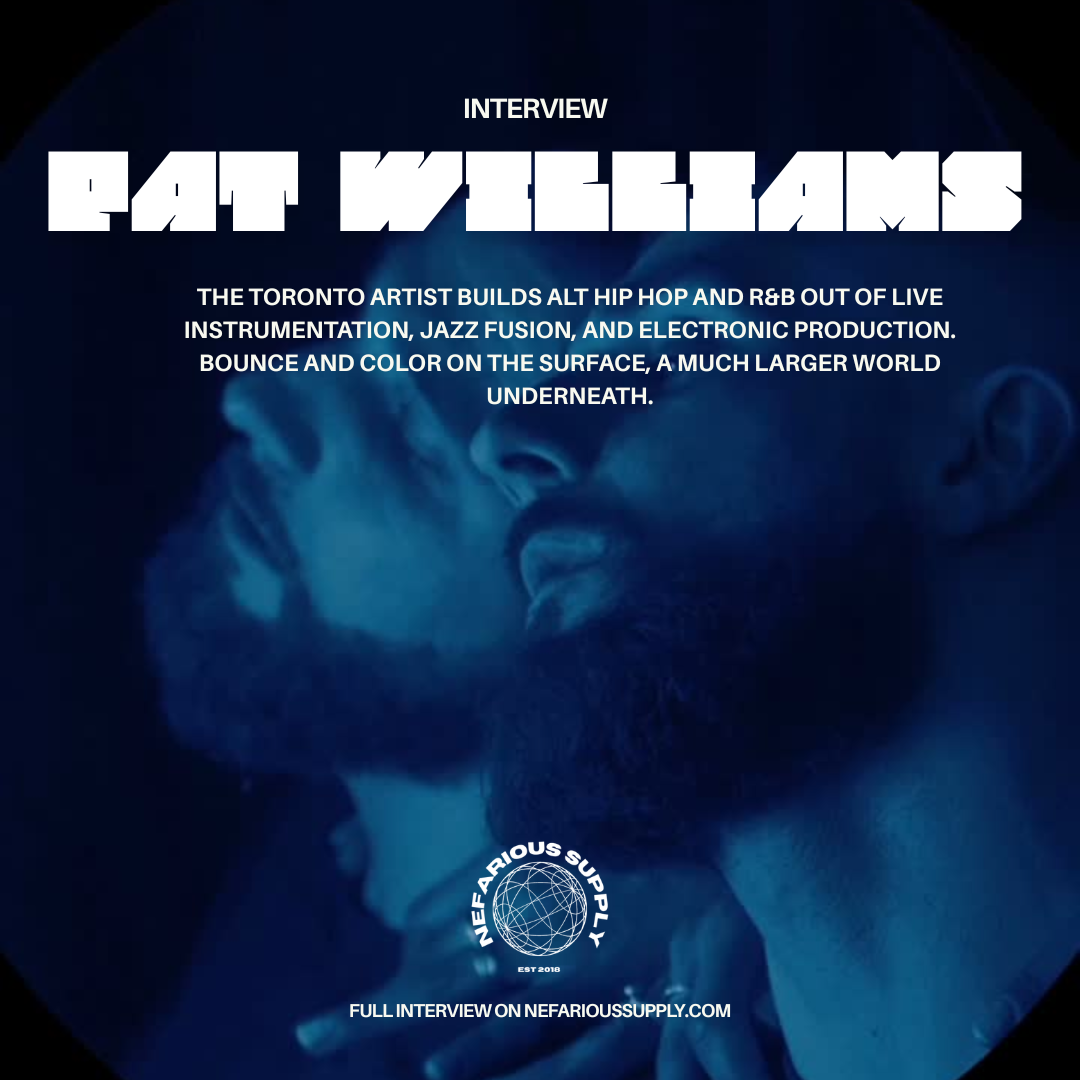
Pat Williams

Pat Williams is operating at album scale even when the release is one track at a time. The production is meticulous “math to create the magic” but the bigger tell is intention: everything is built to document specific, intimate moments, and he keeps the frame wide enough to hold the chaos and the line that cuts through it. He referenced Everything Everywhere All at Once as a blueprint: a story that uses “everything” to set up one small sentence that people carry with them. That’s the Pat approach lush environments and detailed construction, in service of a human moment that lands clean.

When he says the work is “unbound by classification,” it’s not branding it’s a boundary. He’s clear that the games aren’t for him, and that anything that waters down expression gets cut off quickly. The process is fluid on purpose: sometimes the music sparks the feeling, sometimes the feeling dictates the music but either way the goal is to challenge both himself and the listener, not just deliver another verse. The heavy lifting happens in the rebuild: strip it down, piece it back together, and keep reshaping until the record equates to the right message.

That obsession with duality is the engine. Pat wants to show ego and sensitivity in the same song; braggadocio can sit beside gentleness without canceling it out. He even writes from angles he doesn’t fully agree with when it tells a fuller truth he pointed to “PRIDE” (from IN CASE I DON’T SEE YOU) as a moment of absorbing someone else’s perspective to widen the story. On “Tongue Tied,” the tension is two people entering something new, both guarded; the song’s turning point came when LOR’s vocals added the missing softness, not just an accessory, but the second side of the narrative. From there, he spent a day arranging dozens of takes while the production team added keys and detail.

The next chapter is the debut album, THE KIDS WILL BE FINE, a relationship with the inner child, the world, and shedding old skin. He describes it as a “melting pot” of influences: live instrumentation and jazz, but with a 2026 spin; jarring confidence with real sensibility; and the deliberate act of breaking things apart and rebuilding until the purest feeling remains. What we’re watching for next is that full arrival: a rollout that treats the record like the world it is inviting (track one is literally “Let’s be friends”), gradually deepening, and closing the loop with something conversational that brings the title’s comfort back into focus.


Photo courtesy of Rosabell.

Rosabell

Rosabell’s music starts from a place that feels almost private before it opens up. The first spark is usually the chords, a progression that hits with enough feeling to pull the rest of the song into focus. From there, the voice does the real translating: melody first, emotion underneath, and harmonies stacked with pop precision without losing the warmth of R&B. That’s the Rosabell twist. You can hear the pop in the R&B and the R&B in the pop; neither side works without the other.

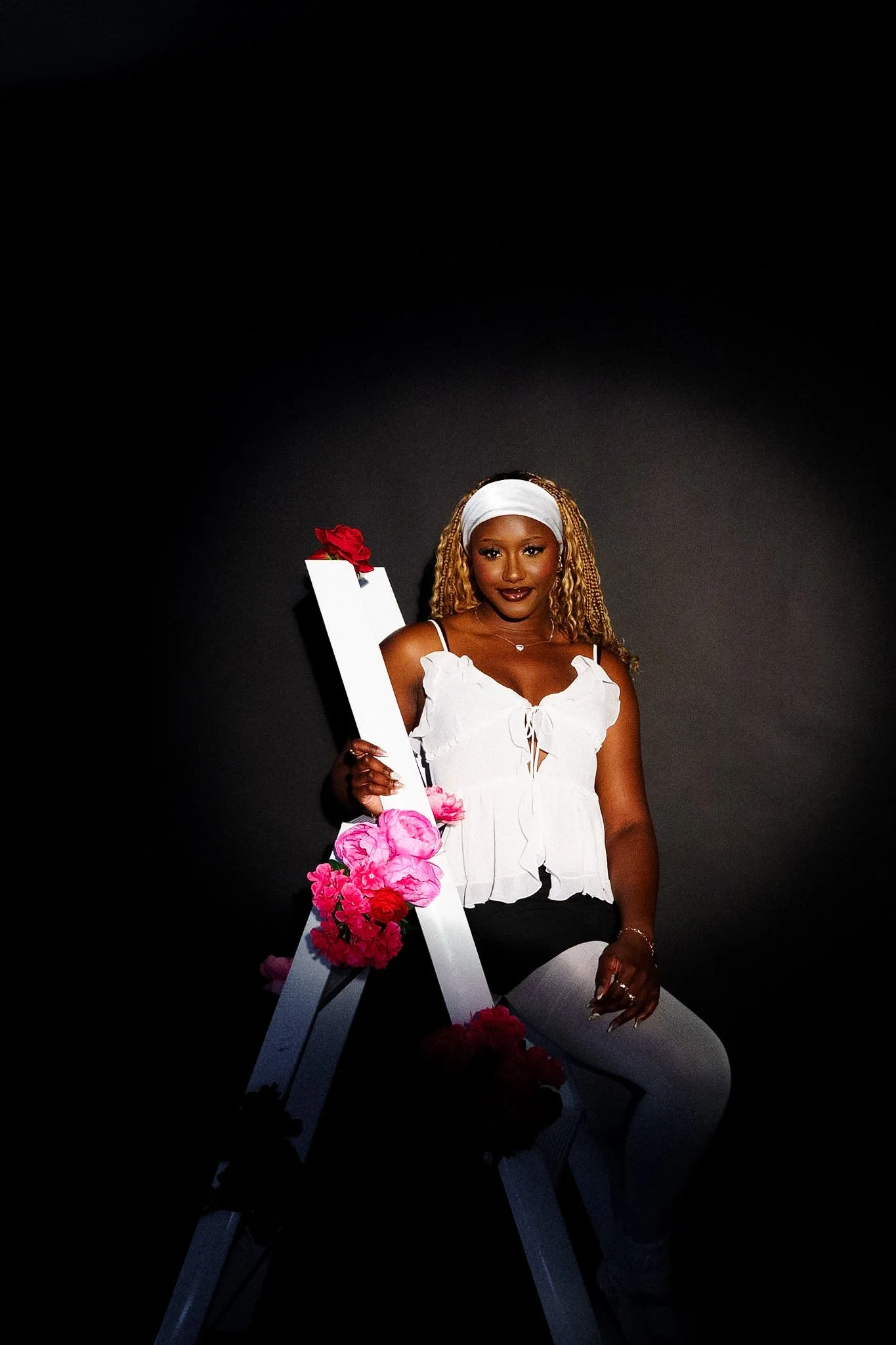
The world around the music matters too. Rosabell describes herself as a Nigerian-Canadian Pop/R&B artist with a love for pop music, a dream of dancing and singing on big stages, and a band beneath pink lights. That image is specific for a reason. The pink, the flowers, the softness, the performance vision, it all ties back to a childlike, whimsical part of her that she once tried to grow out of, then realized was central to why she creates at all. The result is music that doesn’t treat softness like decoration. It treats it like identity.

There’s also real growth in the release arc. Early songs like “Gifted” came from a more DIY, vault-clearing place: an artist wanting the music out and learning by doing. But the shift after joining Remix in 2025 gave the work more community, collaboration, and confidence. “Patience” became the most personal checkpoint because it forced Rosabell to confront insecurity around her identity as an artist and trust her instincts again. “Breeze,” meanwhile, feels like the best entry point into the world: warm guitars, tropical summer energy, and a calm, grounded, drama-free feeling that still carries intention.

What makes Rosabell worth watching is the way the emotional thesis keeps sharpening. Her core listener is someone learning to choose themselves and bloom into who they’re meant to become. The broader era is built around flowers, growth, and self-love, not as slogans, but as a framework for the songs, visuals, and story to eventually work together. What we’re watching for next is that fuller world to lock in: more records that deepen the bloom, stronger visual language around the pink-lights stage vision, and the moment Rosabell starts reading less like a promising voice and more like an artist with a clearer universe forming around her.


Photo courtesy of SincerelyChico.

SincerelyChico

SincerelyChico moves with the instincts of someone who has spent time studying eras, not just sounds. The New Jersey artist and producer frames his origin through timing: born at the edge of the 90s, raised inside the 2000s, and shaped by everything from C.L. Smooth and Pete Rock to Kanye, Jay, Pharrell, Drake, Kendrick, Cole, Travis, the SoundCloud wave, and the smoother pockets of Larry June and Cardo. That range matters because it shows up less like a reference list and more like a working vocabulary. Chico’s music carries an old-school respect for feel, but it is not stuck in revival mode. It is trying to build forward from memory.

The artist-producer balance is part of the signal. Chico says he wanted to be an artist first, but early on, production felt safer. He could let other people take the spotlight as long as the beats still spoke for him. Now the work is about building the same confidence in his voice that he once had to build behind the boards. That tension gives MAIN INGREDIENTS its center: an artist learning how to step further into the frame without losing the producer’s ear for structure, texture, and feel.

The EP itself is framed like two creatives bringing their respective recipes together. Chico and Saint Nxva first connected through Big Jozy in 2021, bonded over samples and hard drums, and eventually found the chemistry that shaped the project. Letting another producer handle the sound was a real risk for Chico because it meant trusting someone else with a world that still had to feel like his. The risk paid off because the EP does not read like a compromise. It reads like a shared pocket, built from confidence, instinct, and a clear sense of what each person brings to the table.

There is a clear regional pulse in the work too. Chico points to Jersey’s creative communities, from Darkside to Jamm Gallery, as part of the environment shaping him. That matters because the music does not feel like it is chasing a detached internet identity. It feels connected to scenes, rooms, and people. “STEALIN’ SWAG” is the immediate checkpoint: a record sparked by Chico’s frustration with copy-paste creativity and his belief that even when nothing is fully new, artists still have to put their own DNA into the work. “2 WEEK NOTICE” shows the other side of that mission, turning work frustration into an anthem about control, release, and knowing when you are ready to walk away.

What makes Chico worth watching is the integrity behind the build. He talks about wanting more care in music, not because every song has to be overly serious, but because anything can matter for 40 days or 40 years if it is made with enough intention. What we’re watching for next is how the world of SincerelyChico keeps expanding after MAIN INGREDIENTS: more singles, more EPs, more visual context, and a clearer bridge between the producer brain and the artist identity.

Thanks for spending time with this month’s Who’s Next. This series is meant to be a living record of what we’re hearing, who we’re returning to, and where our attention is going before the wider conversation catches up.

We’ll keep using this space to document artists with identity, discipline, and motion, not as predictions, but as notes from inside the listening. If one of these names stays with you, follow the thread. Listen closer. That’s where the real discovery starts.

If you are an artist building something with care, send it through. Submit your music here: Make Your Mark.

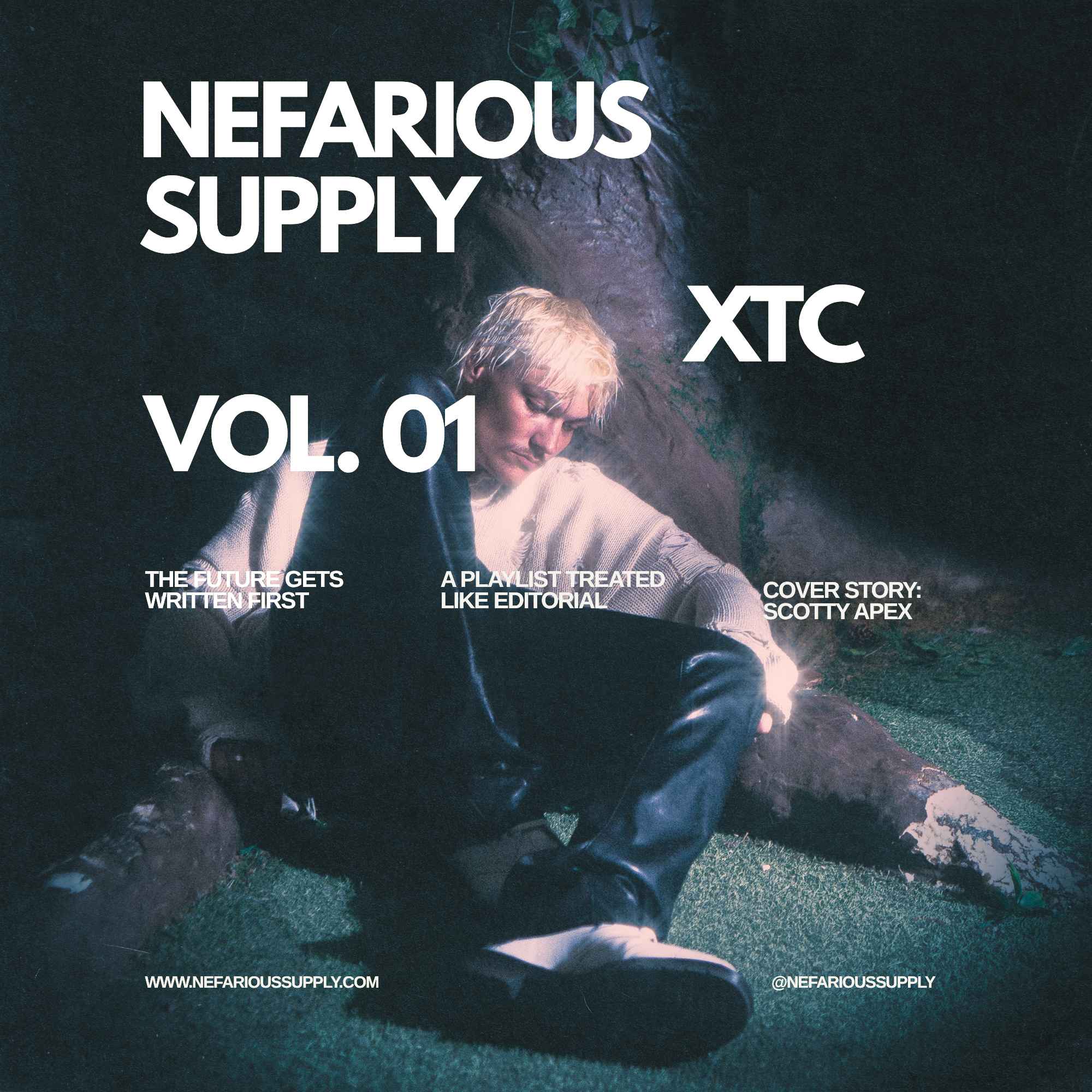
XTC — Underground Frequencies // Vol. 001

Editor’s Letter

XTC — Underground Frequencies // Vol. 001 is our first attempt at treating a playlist like a finished piece of editorial: a two hour, front to back listen built from underground artists we actually live with, sequenced with the discipline of a DJ set.

How to listen

  • Start at Track 1. No shuffle.

  • Treat it like radio. The handoffs matter.

  • Best in motion. Headphones or a late drive.

Nefarious Supply started in 2018 as a simple response: the charts can be loud, but they’re never the whole story. We built this platform to spotlight the underground records and artists that grabbed our attention before there was a machine behind them because the underground isn’t a waiting room. It’s where the future gets written first. We’ve had our starts and stops with consistency, but the thesis hasn’t changed: while mainstream names dominate the moment, the true gems the next movers and shakers are often underground artists building real worlds in real time, long before the spotlight catches up.

XTC is our way of treating listening like a craft again: less “here’s what’s hot” and more “here’s what’s been living with us.” More than a playlist, this is our way of proving the thesis we’ve been standing on since day one: the future movers and shakers are already here, building in the underground—our job is to put a real spotlight on them early, with taste and context.

This is also a listening piece in the literal sense. Volume I was sequenced the way you’d sequence a set: not “underground for the sake of underground,” but artists we actually live with, stitched together so the handoffs feel natural and the quality never dips.

Volume I is the first entry in what we hope becomes an episodic feature on the platform, released with a focus on quality over quantity. It’s a mix of artists who’ve either been consistently grabbing our attention lately, or have already had a real footprint on the platform.

Some of these names are already part of our history, which is exactly why they matter here: they’re proof that the underground isn’t a phase it’s the first draft of what everybody else will eventually call “next.” We caught Lango early (2019), when the conversation was less about positioning and more about identity, risk, and effort the kind of mindset that refuses to treat art like it’s disposable. We checked in with THREE65 (2020) right as the catalog started turning into a body of work—projects used to get things off the chest, and a clear preference for resolution over noise.

In Volume I, the clearest proof of that thesis is Scotty Apex—an artist we first tapped in with years ago, who’s kept evolving ever since: stronger structure, sharper world-building, and a catalog that’s become harder to ignore with every release. Across our Scotty Apex coverage (2019, 2021, 2023), we’ve watched the arc sharpen in real time: raw emotion turning into structure, structure turning into world-building, and world-building into a body of work that keeps raising the ceiling.

We first tapped in back in 2019, when Scotty was 22, describing themself as an outcast who used music as an escape and wanted the work to be that same escape for other people. The writing was raw, emotion-forward, and intentionally unpolished. By 2021 (STARLIGHT), the world expanded. Scotty framed albums as “cinematic” versions of real life, a new chapter built from real-time experiences, and a two-year stretch of growth—moving through uncertainty while sharpening structure, vulnerability, and storytelling. By 2023 (DATA BEND), the craft got even more deliberate: genre-bending as a philosophy, world-building through contrast (nature + technology), and a more focused creative circle executing bigger ideas with clearer direction.

And now, as Nefarious Supply has grown and time has passed, Scotty is still one of the clearest examples of what we’ve always been betting on: an artist who hasn’t just stayed consistent with releases, but has kept leveling up in development—stronger songwriting and structure, tighter execution, and a universe that feels more lived-in with every project. That’s why Scotty was one of the first artists we chose to anchor Volume I: over years of watching the output stack up, it’s become clear the consistency isn’t a fluke—it’s the mark of real talent, sharpened in public. And with the arrival of Hotel Mirage, that thesis gets louder: not just more music, but better music, built like a world you can step into.


The Listening Experience

I sequenced Volume I the way I’d sequence a DJ set, with the same kind of patience and pacing you get from a radio hour that’s been edited down to the essentials. If Soulection and ClubCarter Radio are reference points, it’s because they treat cohesion like a standard, not a happy accident. The goal is a true front to back listen: roughly two hours, uninterrupted, with the energy moving but the palette staying coherent.

Set moments (the handoffs)

  • Scotty’s “JUST US HERE” sets the rules early. After that, the pacing can quicken without feeling scattered.

  • The handoff from BashfortheWorld to Mathaius Young tightens the posture. Same clean drums, more forward motion.

  • The Scotty run is the center of gravity. “MY TYPE OF CRAZY” into “MIRAGE” makes the set feel focused without turning it into a loop.

  • Burgundy carries the comedown without dropping the temperature. The last stretch lands like an ending, not an exit.


Featured Artist Spotlights


Scotty Apex

Scotty Apex is our headliner because the work doesn’t just arrive—it accumulates. Even when the tempo changes, there’s a throughline: melody-first records that still hit like rap, emotion that stays front-facing, and a sense of setting that makes each release feel like a new room in the same house. The progression has been public, but never messy—more control in the writing, more intention in the structure, and a sharper visual language around the music.

Hotel Mirage is the cleanest expression of that discipline. It plays like an engineered escape hatch: bright enough to move to, detailed enough to live with, and built with the kind of repeatable structure that separates a “run” from a real catalog. On Volume I, Scotty isn’t sprinkled for familiarity—they’re sequenced like chapters. “JUST US HERE” opens the door, “MY TYPE OF CRAZY” and “MIRAGE” raise the ceiling, and by the time you reach “SOMETHING I CAN FEEL” and “ANSWER,” the ending feels authored, not accidental.


Burgundy

Burgundy’s records live in the in-between: soft-edged, melodic, and constantly shifting—music that can hold a room without raising its voice. The catalog moves like seasons, and the best songs feel textured rather than stacked: acoustic warmth braided into electronic space, hooks that land like a thought you didn’t mean to say out loud. Recent releases and singles (including “Proud” and “BLOOD/INK”) underline that focus on mood and detail: songs that feel finished, but never overworked.

What makes Burgundy a fit for Volume I is how intentional the world is. The writing doesn’t chase shock value; it lets atmosphere do the heavy lifting, then uses melody to keep the listener close. In conversation, Burgundy has described the project as something that’s meant to stay fluid—never locked into one sound—and rooted in a real, lived pace of life: long weeks, travel, seasons changing, and songs built from small moments that get saved before they disappear. That’s exactly the kind of craftsmanship XTC is built to reward.

On this volume, Burgundy functions as the emotional temperature change—pulling the playlist toward reflection without breaking the pace. Key moments here: “Proud,” “BLOOD/INK,” “More wine?,” and “Earl grey.”


ihateyouALX

ihateyouALX is a reminder that “party music” doesn’t have to be empty. The sound pulls from rap, dance, and house, but the center is always personality: rhythm as language, bounce as discipline, and hooks that can carry a message without making a speech. The origin story has always read as hands-on: early profiles framed the project as DIY and self-taught, built with curiosity, free tools, and a willingness to learn the technical side (production, recording, engineering) instead of outsourcing the details. That background still shows up in the way the songs move bright on the surface, intentional underneath.

In conversation, ALX frames the world like a room you can step into: colorful, creative, and built to make listeners feel free like the rules were meant to be broken. The mission isn’t to hide the message; it’s to let it travel in the rhythm. “keep the party lit.” is the clearest example on Volume I: a celebration record with real stakes, where the hook reads as energy but the intent reads as persistence—keep going, keep the dream alive. And that contrast is exactly why it earns its placement here: it keeps the set moving while quietly underlining what this series is trying to document—artists building worlds with craft, not just noise.


Rosabell

Rosabell brings a different kind of brightness to Volume I: Nigerian-Canadian pop/R&B built on melody first, then emotional precision the kind of writing that turns a private feeling into something you can actually sing back. The music starts where Rosabell says it always starts: chords. A progression hits, the emotion follows, and the voice does the rest stacked harmonies that nod to pop discipline but still carry R&B weight. There’s a clear “pink lights” stage vision behind the work, but it isn’t just aesthetic; it’s a world designed for people who are still learning how to choose themselves.

“Breeze” is the entry point we wanted here: warm guitars, tropical-summer ease, and a calm, grounded energy that cuts through the set without breaking its momentum. It’s the kind of record that feels drama-free on purpose—built to hold you steady, not pull you under—and it quietly reinforces the broader point of XTC: the underground isn’t only intensity. It’s also softness, craft, and artists building a real home inside the song.

Mathaius Young

Mathaius Young brings a different kind of gravity: clean writing, producer-level detail, and songs that feel designed to sit in sequence instead of fighting for attention. The backstory matters here an artist who came up on the technical side, learning the craft obsessively, then stepping into bigger rooms without losing the hands-on instinct. Recent profiles place Mathaius as an Indianapolis-born producer/artist who’s spent years in Los Angeles, with a career shaped early by Sonny Digital’s mentorship and credits that stretch across hip-hop and R&B. If Volume I is about the future being written in real time, Mathaius is one of the clearest examples of how that future sounds when it’s engineered as carefully as it’s felt. The Mathaius picks we’re running here are pulled from the new album run—records that show the writing and the production moving with the same intent. Key moments here: “WHATS YO STATUS,” “MARGIELA,” “TIL THA MORNING,” “201 Interlude,” and “Hold You Close.”


SincerelyChico

SincerelyChico moves like a builder an artist-producer who treats the record like the unit, not just the verse. Coming out of New Jersey with a cinematic, “feel good” sensibility, the work leans on intentionality: each song is meant to hold a scene, not just fill space. The MAIN INGREDIENTS EP (with Saint Nxva) put that approach on display, and the live resume—showcases and festival sets—suggests this music is meant to translate off the screen.

On Volume I, “TABLE MANNERS” lands as a closing statement: crisp, confident, and built to hit with a little more weight than the runtime suggests. It’s the kind of record that makes the case for why XTC exists in the first place—artists who can write, produce, and perform with intention, without waiting for a bigger machine to tell them it counts.


Closing

Volume I is the standard we want to hold ourselves to: taste, yes, but also editing. Not just good songs, but a two hour listen that holds together, where the handoffs are intentional and the focus stays on the music, not the skip button. If XTC becomes episodic, it will be by design. No filler, no obligation to publish on a schedule, and no compromise on cohesion. The underground deserves that level of care.


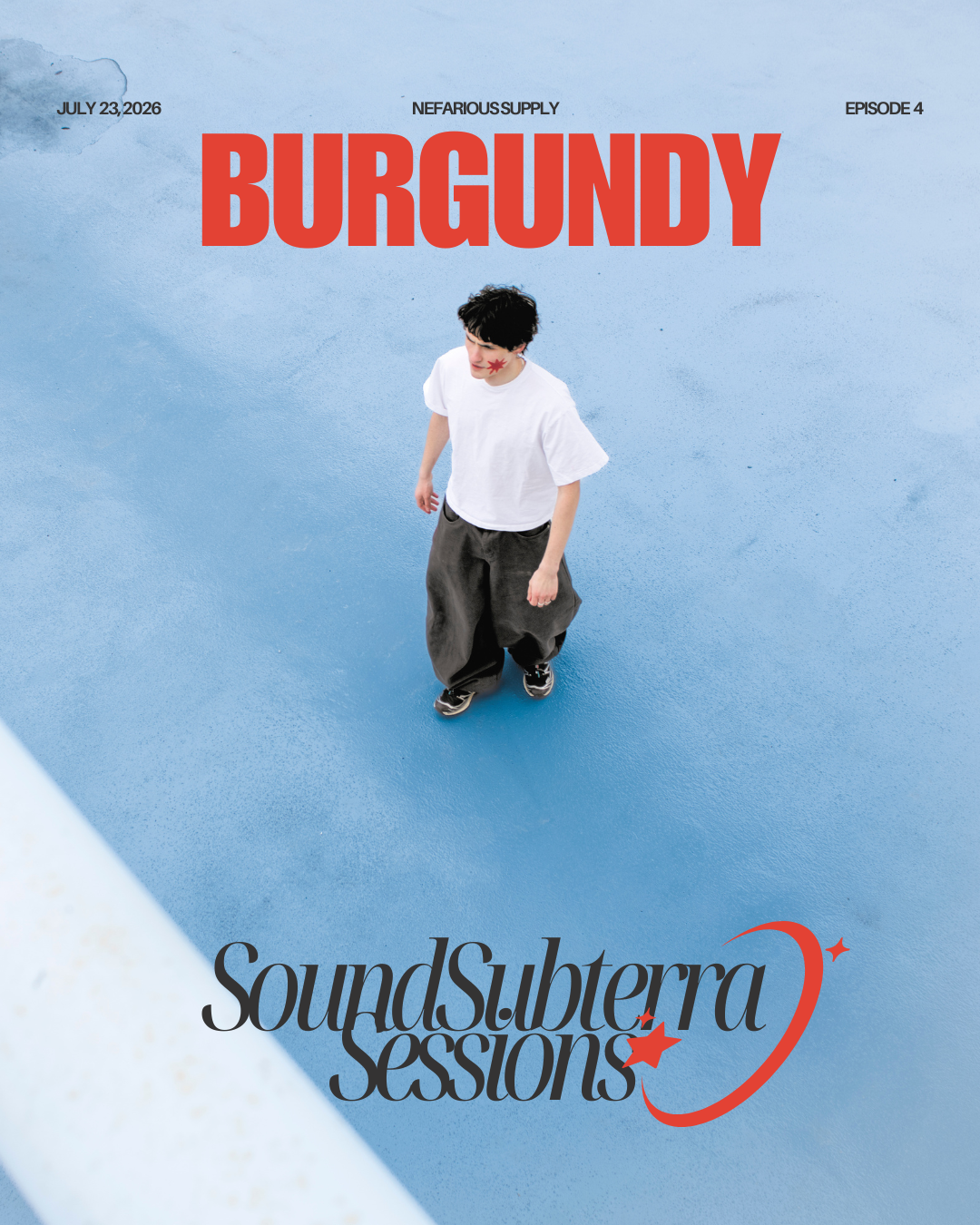
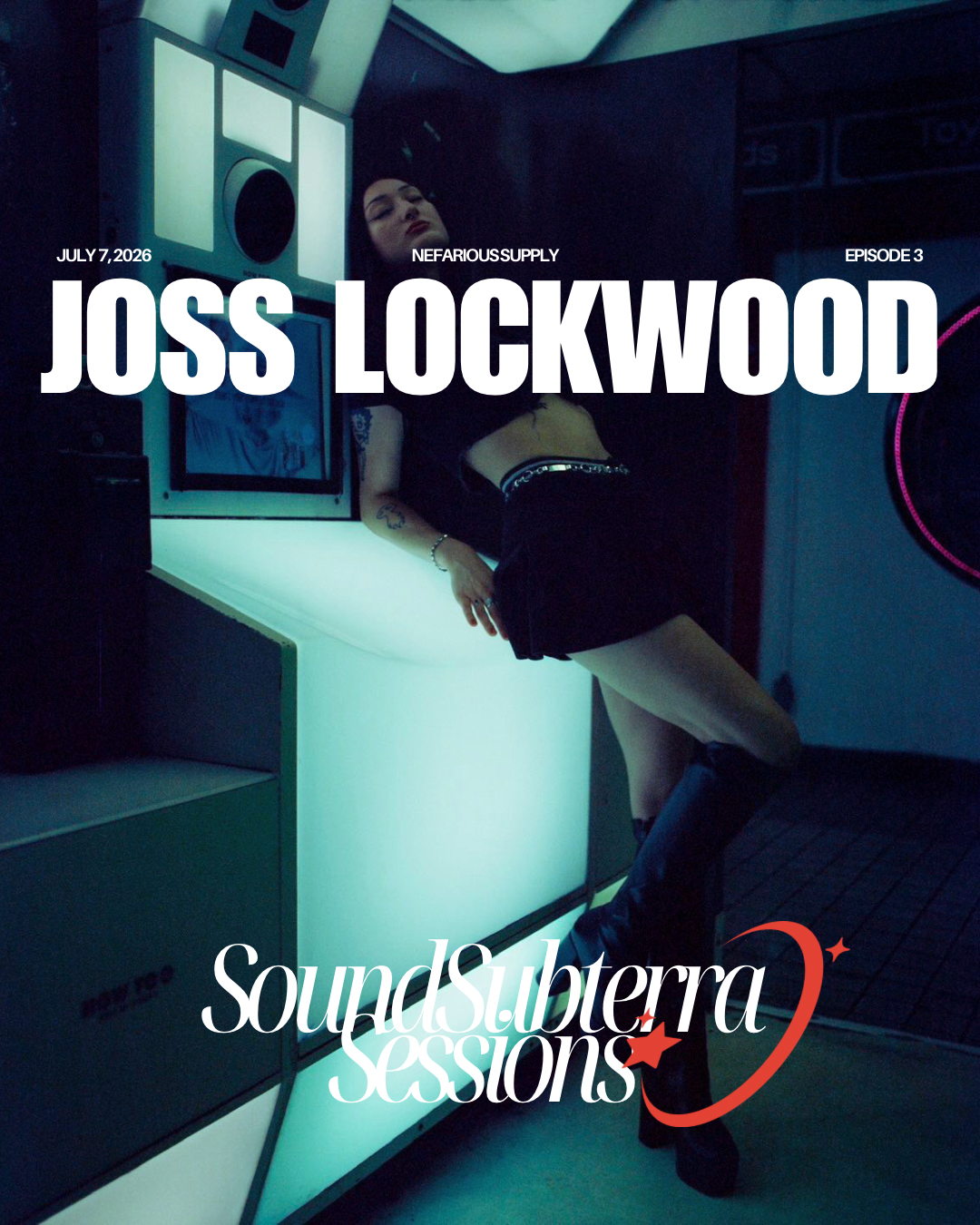
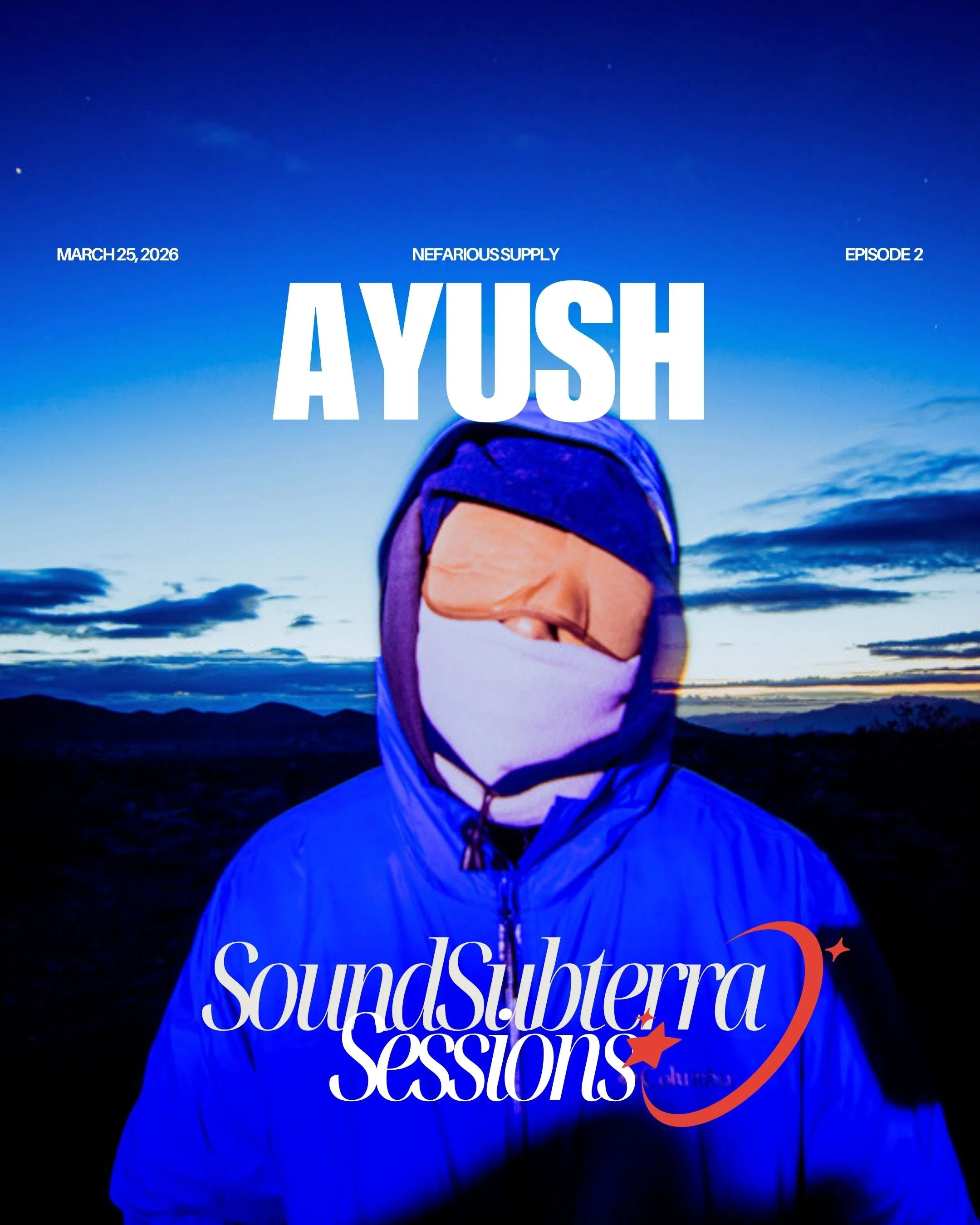
SoundSubterra Sessions - Ayush

AYUSH is a producer and musician whose work is guided by one core instinct: curiosity. That curiosity shows up not just in the range of references Bollywood melody, jazz vocabulary, Grateful Dead spontaneity, years of classical training but in the way they treat those influences as tools rather than costumes. AYUSH moves between styles because the point is learning: connecting the dots between disciplines, borrowing a philosophy from one world and a technique from another, then letting it all filter through a personal sense of “what feels real.” The emotional North Star is uplift and challenge at the same time music that invites you in, then nudges you to look closer, notice more, and stay open.

HIs latest track, “constellations,” is both a love song and a mood: stargazing turned into a narrative about what changes when beauty is shared. For AYUSH, songs become real about a week after they’re made the moment a demo survives everyday life, like a replay in the car that still hits, still feels potent, still feels authentic enough to finish. “constellations” sparked quickly in that way, and its title is intentionally timeless: a simple symbol that’s been reflecting shared awe throughout history. The scene is clear and specific—late at night, when you should be asleep, outside in pleasant weather under an open sky two people huddling together for warmth and looking up, letting the world change shape in the quiet.

That atmosphere is reflected in the record’s blue–purple–pink palette: warm, expansive, quietly cinematic. Even the construction mirrors the concept. AYUSH often starts with drums—once a weak point, now a foundation—because if the groove feels solid, everything else can unfold naturally. From there, “constellations” grew from a stock Logic synth that created the bounce, a bass line that locked the motion in place, and melodies freestyled until a thread appeared worth pulling. Along the way, specific inspirations are audible: Steely Dan–leaning horn arrangements (a nod to the color and phrasing of “Deacon Blues”), funk groove DNA from Zapp’s “Dance Floor” (slowed down into AYUSH’s pocket), and the remembered textures of Neon Indian’s “Polish Girl” shaping synth choices and sound design almost subconsciously. Finishing the track came down to two decisive choices: bringing stems through pedals and tape with a friend to breathe life into the production, and shortening the outro to preserve the peace of the moment—long enough to exhale, not so long it drifts away.

That same idea—songs that expand the sky—becomes the thesis of the artist-hosted playlist built around the release: music you can stargaze to, preferably with someone else. “With someone else” isn’t a tagline; it’s the point. AYUSH’s worldview in “constellations” is that beauty dulls when it isn’t witnessed together, and that love (of a person, of the world, of the act of noticing) is what gives color its saturation. The playlist is curated to live in that same spectrum and to share the same kind of depth: tracks that feel spacious, thought-provoking, and emotionally open. Anchor picks like Toro y Moi’s “Girl Like You” (lively piano and arrangement in a familiar shade of blue), M83’s “Outro” (a slow-burn into triumph streaked with purple, made even more striking by near-silence and ambient winds), and Khruangbin’s “Two Fish and an Elephant” (simple, direct, contemplative—an ideal stargazing track with blues and purples that echo the record’s glow) don’t just sit next to AYUSH; they map the emotional coordinates that “constellations” is pointing toward.

In the larger arc of what’s next, “constellations” is the opening scene: the first step into an upcoming EP that moves through different worlds and genres while staying tied together by texture, sound design, and dynamics meant to be felt as much as heard. The goal is that after someone lives in the playlist’s universe and returns to the song, they notice the details more—the way the drums breathe, the way the horns frame the sky, the way the outro chooses restraint, the way the mix carries an arc like a film. It’s music built on connection: between influences, between moments, and—most importantly—between people looking up at the same night.

No Outside Validation: Inside jev.’s New Chapter

If you’ve been following jev. through Nefarious Supply, you’ve watched the story unfold in chapters: the early work that felt like a diary, the transitional weight of The Color Grey, and the way lonrwrld functioned as an introduction—sonically and aesthetically to a bigger world. Now, we’re checking back in at the exact point where momentum starts asking harder questions.

This conversation isn’t a recap it’s an update on mindset, discipline, and what jev. is protecting as everything accelerates. Call it a temperature check before the next release turns the page.

Take us to a recent moment that captures where your life is right now (studio, soundcheck, hotel room, drive, a message you got). What happened, and why did it stick with you?

It was in London when I was on tour, I had a studio session with an amazing accomplished producer and he told me something that really stuck with me, he said “don’t ever stop being hungry”. I did 2 tours in one month and I was exhausted and ready to go home but that message stuck with me and ultimately reignited the fire and passion I have for this music thing.

In our earlier NS interviews you described yourself as “a creative at heart” beyond rap. In 2026, what parts of that definition are clearer, and what parts have changed?

I’ve been learning how to write scripts. I realized my love for art or creativity comes down to storytelling, that's why I love music so much, it's the story and how they put it together. Creating something from scratch is my passion. I want to maximize my creativity on this earth, so whatever sparks my interest, I'm going to dive in head first.

DRC, South Africa, Canada: give one concrete example for each of how the place shows up in your music today (rhythm, melody, language, pacing, textures, or even how you tell stories).

I think with DRC because that's my origin I look at it more for inspiration , “you have to know where you come from to know where you are going” . Whereas South Africa is where I my love for rap and music was birth, a big lesson living in SA taught me is that music is a universal language and that made me pay more attention to melodies, rhythm and everything in between , Canada is my stomping ground , i perfected my craft there and became the artist i am today.

Untitled 01: you once called it a diary from your high school years. What is one song from that project that still feels emotionally true today, and one you have outgrown?

Honestly every song on there are still emotionally relevant to me , those songs are the reason why i keep going, everytime i listen to them i’m transported to my childhood bedroom when i was making them and remember how much love and passion i had for music

What did making music in that era (bedroom recordings, phone vocals, learning from scratch) give you that you are careful not to lose now?

It gave me trust and belief. My rule for every artist, TRUST YOUR TASTE. I was alone making those songs and didn’t have anybody to be like “nah, that's wack” so i would love the songs and upload them. There was no second guessing, just love and execution. Its something i try and continue today by minimizing the time from creation and execution and the amount of ears get to hear it before its out to the public

The Color Grey is built around transitional periods and the grey area between them. Looking back now, what transition were you personally in when the concept clicked, and what do you think you were really documenting?

The concept clicked literally 2 weeks before the tape dropped. All the writing I was doing was subconscious and it was really just how I felt at the time dealing with work, school, family life, and just being a young man in your early 20’s. I was making songs in hopes it would be a project eventually. At first I was gonna call it “little boy blues” or “untitled 2” but as the concept began to come to me about the transitional periods and the grey area between them, it clicked!

“Where’s The Confetti” captured the feeling of gaining momentum without feeling celebrated. Since that record, what has changed in your relationship to support, community, and who you let close?

I now understand I have to be my biggest cheerleader, even if nobody is , I constantly have to be the one waving my flag. However my community has grown and my support system is thriving. I have a small circle that shows me love and really appreciates what I'm trying to do . I’ve learned its the quality of people and not the quantity

lonrwrld was framed as “an introduction to my world, sonically and aesthetically,” and you said you doubled down on brand and image with new eyes on you. What does brand mean to you in real terms today (visuals, videos, wardrobe, language, pacing), and what is non-negotiable?

I have a simple answer , whether it's wardrobe, visuals, or language. Trust your Taste and vision, nobody knows what's right for you more than you

Opening for Clipse: describe one night on that run that changed how you think about performance, presence, or what a “real room” feels like. What did you learn watching from side stage?

It was the Paris night, I was watching them on stage and was in awe because of how seasoned and comfortable they were on stage and their level of stage presence. It made me step up my game even more, it also taught me so much about songwriting, especially hooks, they have such well written songs with hooks that the crowd can sing back!

Your own headline tour: what did carrying your own show teach you about your audience, and what was the hardest part (logistics, stamina, nerves, vocals, crowd energy)?

The hardest part was the logistics, i didn’t have a tour manager, so i was doing it myself and then going on stage, it was taxing for sure. The best part was that the fans showed up every night and showed me so much love, it taught me that I actually have people that live with my music day in, day out and they are rooting for me . I need to go harder for them

The Justin Bieber co-sign: what changed in the next 48 hours (messages, opportunities, pressure), and what did not change at all?

Just a lot of love from the fans and people that have been rooting for me

You’ve talked about mental challenges (is it good enough, will I make it) and not seeking outside validation. What does your mental maintenance look like now (routines, boundaries, who you keep close), especially when things move fast?

I’ve developed a routine that keeps me in check . You really have to parent yourself (innerchild), and that's what I do.

Centering the new music coming in Q2: what is the emotional through-line of this next run, what are you experimenting with (lyrically and sonically), and what do you want it to change about the jev. conversation?

It's not about the jev. conversation , it's about getting jev. in the conversation.


Huge thank you to jev. for tapping back in with us and giving Nefarious Supply another honest temperature check as everything keeps accelerating. Make sure you’re following jev. on Instagram @thelonerjev to stay locked in with the next run. And if you’re an artist interested in being featured, follow Nefarious Supply on Instagram (@nefarioussupply) and submit your music here.